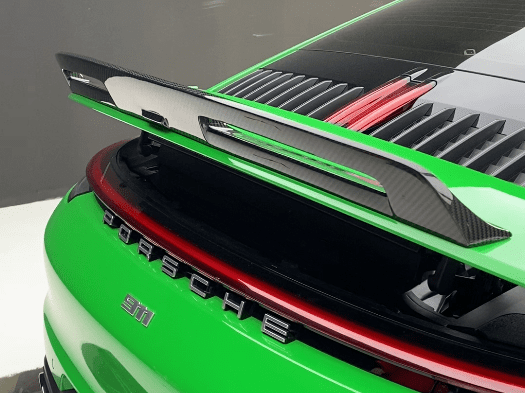
If you own a Porsche 911 992, chances are you are not looking to “fix” your car.
The 992 is already one of the most refined sports cars on the road. What you want is enhancement—sharper aerodynamics, lighter weight, and a design that feels purposeful rather than excessive.
That is exactly why carbon fiber body kits have become one of the most searched upgrades for the Porsche 911 992.
In this guide, you will learn what carbon fiber parts actually make sense for the 992, how fitment really works, how much you should expect to pay, and how to avoid the common mistakes many buyers make when choosing a carbon fiber body kit.
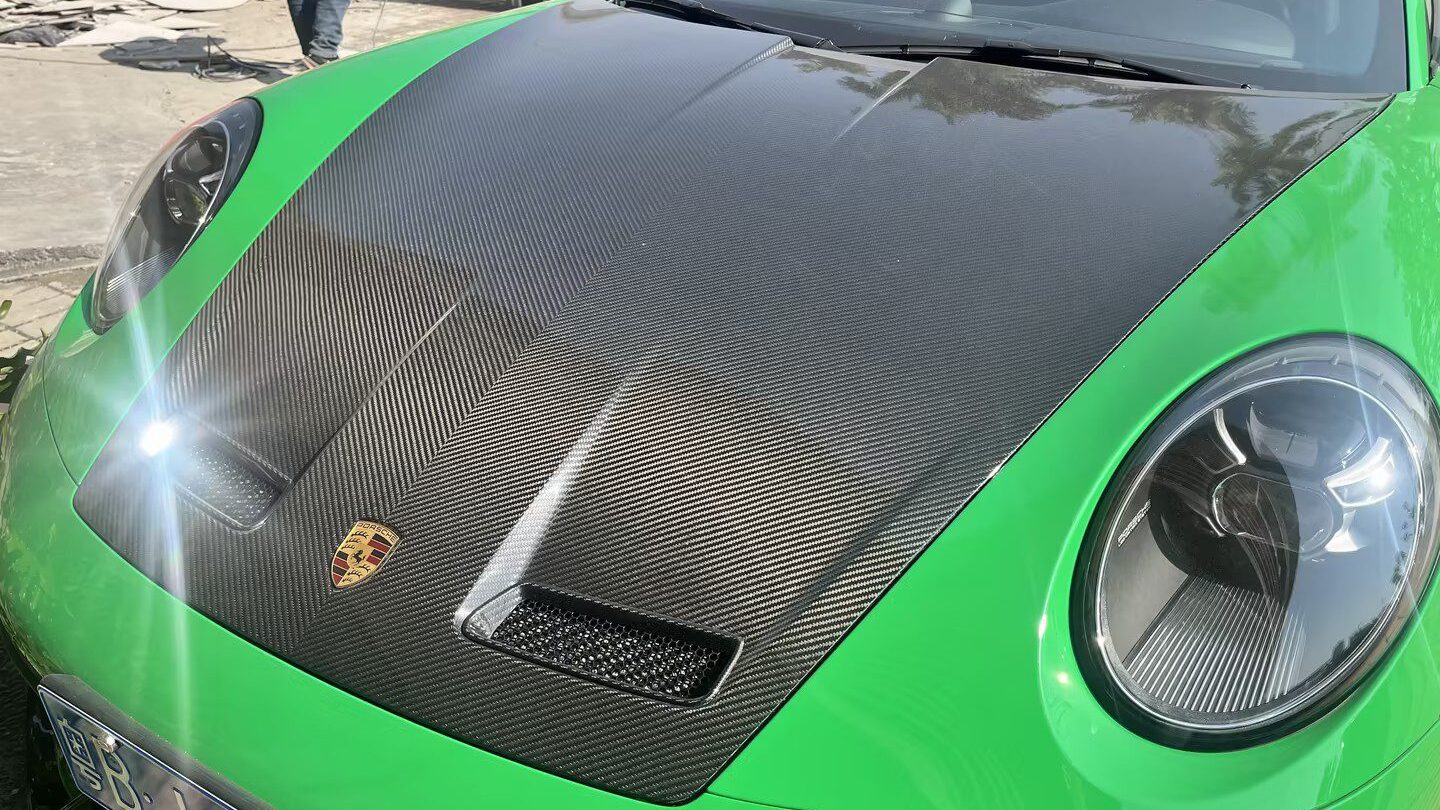
Why Carbon Fiber Is the Preferred Upgrade for the Porsche 911 992
Carbon fiber is not popular by accident. It solves several problems at the same time—weight, strength, precision, and aesthetics.
For the Porsche 911 992, carbon fiber upgrades deliver benefits that aluminum, plastic, or fiberglass simply cannot match.
Weight Reduction Without Compromise
Carbon fiber offers an exceptional strength-to-weight ratio. When you replace factory plastic or metal exterior components with carbon fiber, you reduce weight at the highest points of the car—front lip, hood, spoiler, diffuser—where weight reduction matters most for handling and balance.
Less weight means:
- Faster steering response
- Improved braking efficiency
- Better acceleration feel
- Reduced load on suspension components
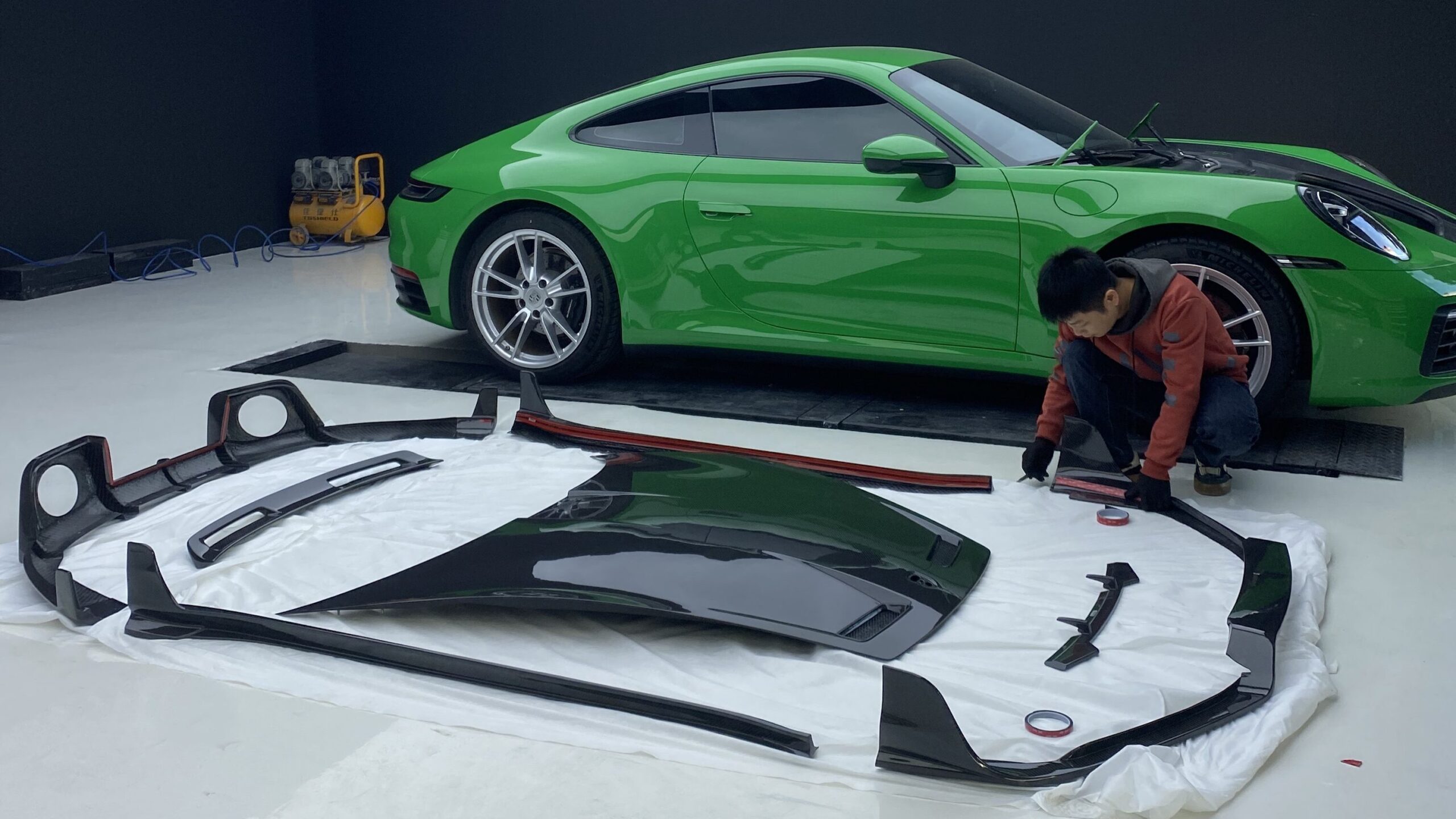
Even modest weight savings can make a noticeable difference on a performance-oriented car like the 992.
Aerodynamics That Actually Work
Carbon fiber is not only about looks. Because it is manufactured using rigid molds, carbon parts can hold precise aerodynamic shapes that control airflow more effectively than flexible plastic components.
Well-designed carbon fiber aero parts help:
- Reduce front-end lift at speed
- Stabilize airflow along the sides
- Improve rear downforce
- Increase high-speed confidence
For spirited street driving or track use, this matters more than many owners expect.
A Finish That Matches the Porsche Design Language
The Porsche 911 has clean, deliberate lines. Carbon fiber complements that design philosophy when done correctly.
A high-quality carbon weave, proper clear coat, and correct surface curvature make carbon parts look like they belong on the car—not like aftermarket add-ons.
Porsche 911 992 Carbon Fiber Body Kit: What Parts Can You Upgrade?
When people search for a “Porsche 911 992 carbon fiber body kit,” they are usually not looking for a single piece. They want to understand which parts are available and which ones actually make sense.
Here is a breakdown of the most common carbon fiber upgrades for the 992 platform.
Front Carbon Fiber Parts: Splitters, Lips & Air Guides
The front of the 992 is the first place most owners start.
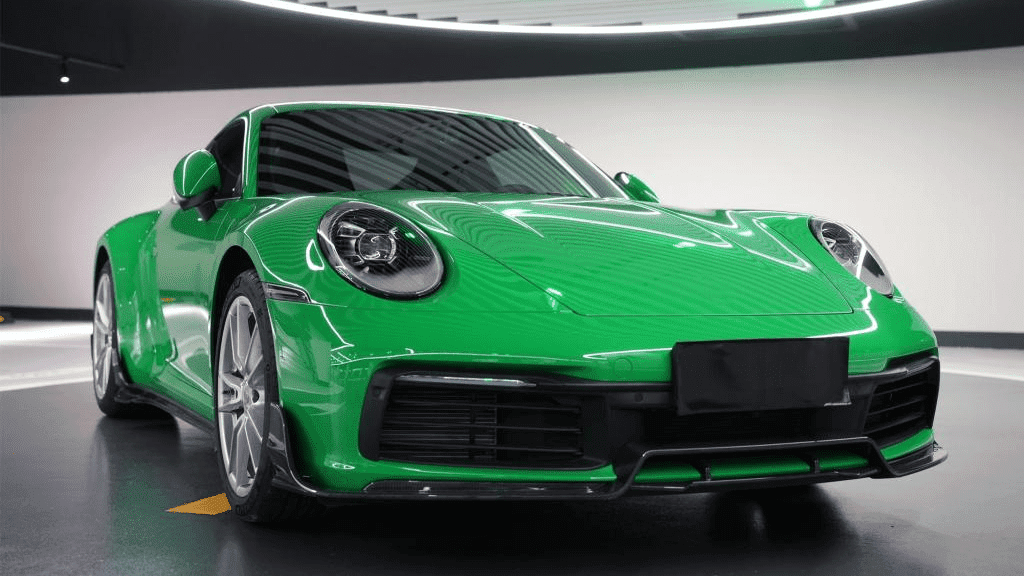
A carbon fiber front lip or splitter:
- Reduces front-end lift
- Improves airflow under the car
- Visually lowers the front stance
For street-driven cars, a front lip is often the best balance between function and practicality. Track-focused setups may benefit from deeper splitters with integrated air guides.
When choosing a front carbon part, pay attention to:
- Ground clearance
- Mounting method (OEM points vs drilling)
- Compatibility with parking sensors and front cameras
Carbon Fiber Side Skirts & Extensions
Side skirts are often underestimated, but they play a key role in aerodynamic balance.
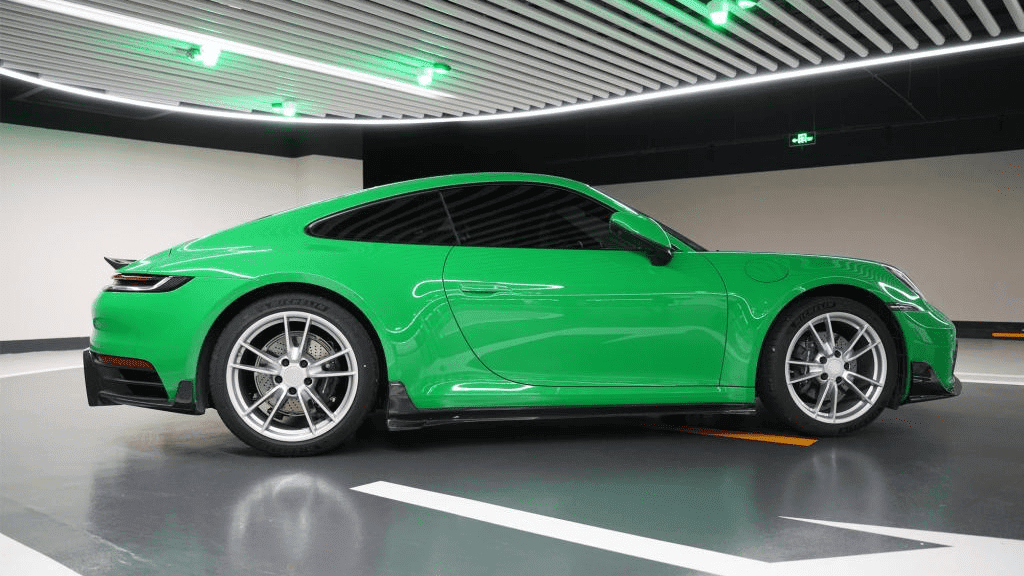
Carbon fiber side skirts:
- Connect front and rear aero visually
- Reduce turbulent airflow along the sides
- Make the car appear lower and wider
On the Porsche 911 992, well-designed side skirts enhance the car without overpowering its natural proportions.
Fitment accuracy is critical here. Poorly made side skirts are one of the most common sources of alignment complaints.
Rear Carbon Fiber Diffusers
The rear diffuser is one of the most functional carbon upgrades you can make.
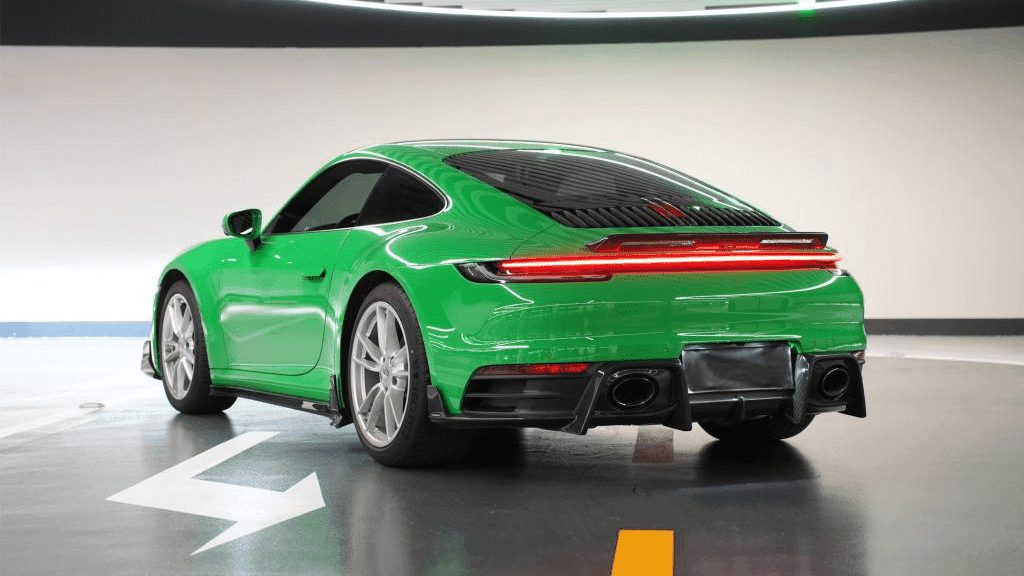
A properly designed diffuser:
- Accelerates airflow exiting the underbody
- Improves rear-end stability
- Enhances exhaust and rear design visibility
For the 992, diffuser design must account for exhaust layout, bumper shape, and underbody geometry. A diffuser that looks aggressive but ignores airflow design may add drag rather than reduce it.
Carbon Fiber Spoilers & Wings
Rear spoilers and wings are available in several styles for the 992, from subtle ducktail designs to full track-oriented wings.
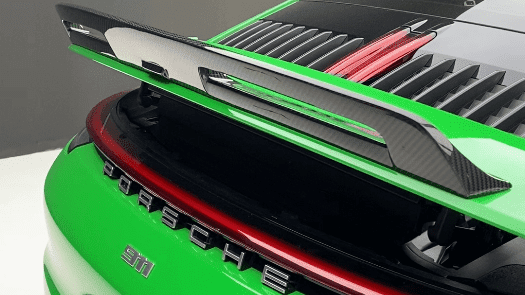
Choosing the right option depends on:
- Your driving style
- Whether the car is street-driven or track-focused
- Your preference for visual subtlety vs performance emphasis
For daily driving, low-profile carbon spoilers offer improved stability without excessive attention. For track builds, larger wings provide meaningful downforce when paired with proper suspension setup.
Dry Carbon vs Wet Carbon: What You Should Choose for Your 992
One of the most misunderstood topics in carbon fiber upgrades is manufacturing method.
Not all carbon fiber is the same.
What Is Dry Carbon?
Dry carbon (also known as pre-preg carbon fiber) is produced using pre-impregnated carbon sheets cured in an autoclave under controlled heat and pressure.
This method offers:
- Lower weight
- Higher structural consistency
- Superior surface finish
- Tighter dimensional tolerances
For a precision-engineered car like the Porsche 911 992, dry carbon is the preferred option.
Wet Carbon: Lower Cost, More Variation
Wet carbon is produced by manually applying resin to dry carbon fabric. While it is less expensive, it often results in:
- Inconsistent resin distribution
- Heavier parts
- Greater risk of surface defects
- Less accurate fitment
Wet carbon may be acceptable for cosmetic applications, but it often falls short for high-end builds where precision matters.
Fitment Matters: Why Porsche 911 992 Carbon Parts Fail or Succeed
Most complaints about carbon fiber parts are not about material—they are about fitment.
Why Fitment Is Critical on the 992
The Porsche 911 992 features:
- Tight panel gaps
- Complex curves
- Integrated sensors and electronics
Even small dimensional errors can cause:
- Uneven gaps
- Installation stress
- Vibration or noise
- Visible misalignment
This is why high-quality carbon parts must be developed using:
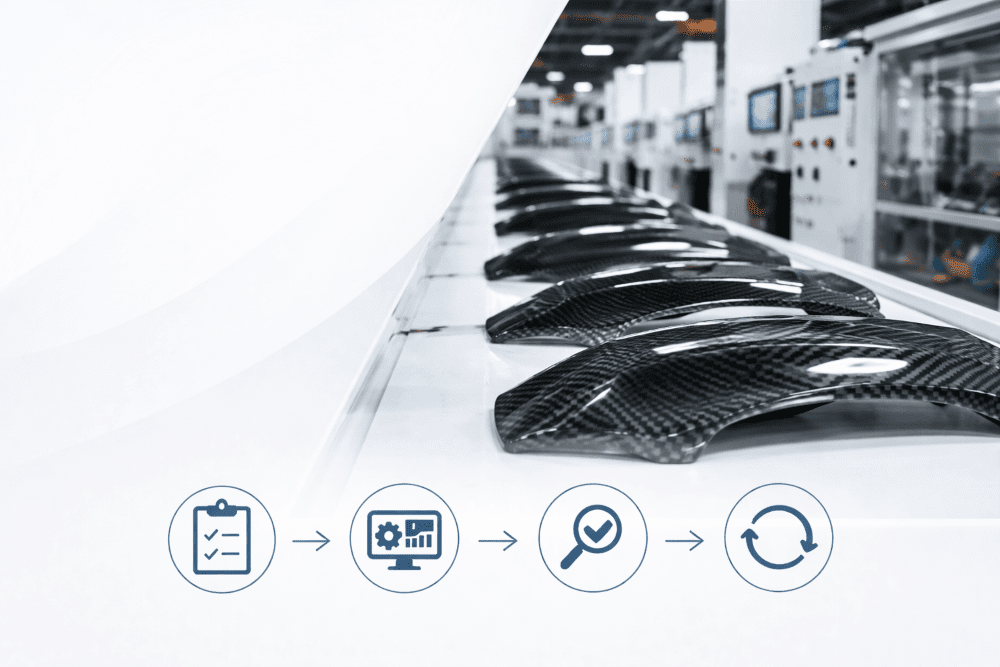
- OEM vehicle scanning
- Accurate CAD modeling
- CNC-machined molds
What You Should Expect During Installation
Well-made carbon fiber parts should:
- Align with factory mounting points
- Require minimal adjustment
- Install without forcing or bending
If a carbon part needs excessive trimming or “pushing into place,” that is usually a sign of poor mold accuracy.
Porsche 911 992 Carbon Fiber Body Kit Cost: What Should You Expect?
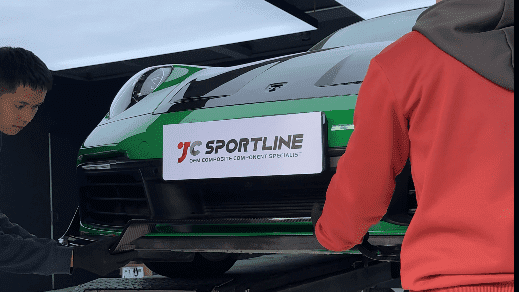
Cost is one of the most searched topics related to carbon fiber upgrades.
While prices vary based on design and manufacturing method, here is a realistic overview.
Typical Price Ranges
- Carbon front lip: mid-range
- Side skirts: mid to higher range
- Rear diffuser: mid to higher range
- Spoilers and wings: wide range depending on size and complexity
Dry carbon parts generally cost more than wet carbon, but they also deliver better fitment, lower weight, and longer-lasting finish.
Why Extremely Cheap Carbon Parts Are Risky
Very low prices often indicate:
- Thin layups
- Poor resin quality
- Inaccurate molds
- Limited quality control
For a car like the Porsche 911 992, cutting corners on carbon fiber often leads to higher costs later—through replacements, rework, or dissatisfaction.
How Carbon Fiber Enhances the Long-Term Value of Your Porsche 911 992
Carbon fiber upgrades are not just about short-term appearance.
When done correctly, they can:
- Improve resale appeal
- Differentiate your car from stock examples
- Signal high-quality customization
Buyers recognize quality carbon parts, especially when fitment and finish are consistent with OEM standards.
🔘 Get Your Personalized Quote Now
🔘 Get Your Aerodynamic Upgrade Plan
Why JCSPORTLINE Is Trusted for Porsche 911 992 Carbon Fiber Projects
When choosing carbon fiber parts, the supplier matters as much as the product.
JCSPORTLINE focuses on:
- Automotive-grade carbon fiber manufacturing
- Precision mold development
- Consistent production quality
- Support for brands, distributors, and serious builders
Instead of acting as a reseller, JCSPORTLINE operates as a carbon fiber manufacturing partner, supporting everything from individual components to full body kit programs.
This approach ensures:
- Repeatable fitment
- Stable quality across batches
- Professional project support
FAQ: Porsche 911 992 Carbon Fiber Body Kits
Is a carbon fiber body kit street legal for the Porsche 911 992?
Most exterior carbon fiber parts are street legal, but regulations vary by region. Always check local requirements before installation.
Will carbon fiber parts affect my warranty?
Aftermarket parts may affect warranty coverage related to modified components. Proper installation and quality parts minimize risk.
Can carbon fiber parts be used for daily driving?
Yes. High-quality carbon fiber parts are suitable for daily use when designed with durability and clearance in mind.
Is dry carbon worth the extra cost?
For precision fitment, lower weight, and long-term finish quality, dry carbon is usually worth the investment.
Final Thoughts: Is a Carbon Fiber Body Kit Right for Your 992?
If you value precision, performance, and design integrity, carbon fiber is one of the most effective upgrades you can make to your Porsche 911 992.
The key is choosing the right parts, the right manufacturing quality, and a supplier that understands why fitment matters as much as appearance.
When done correctly, a carbon fiber body kit does not change what your 992 is—it refines it.