Water Sports Brands
Develop board shells around battery pack layout, target weight, and your assembly requirements.
We manufacture custom carbon fiber parts for electric surfboards, hydrofoil systems, yacht tenders, and diving fins. Our marine composites team supports your project from engineering and tooling through sample validation and batch production.
Start Your ProjectOEM and ODM development for teams sourcing custom composite parts for use on and below the water.
Develop board shells around battery pack layout, target weight, and your assembly requirements.
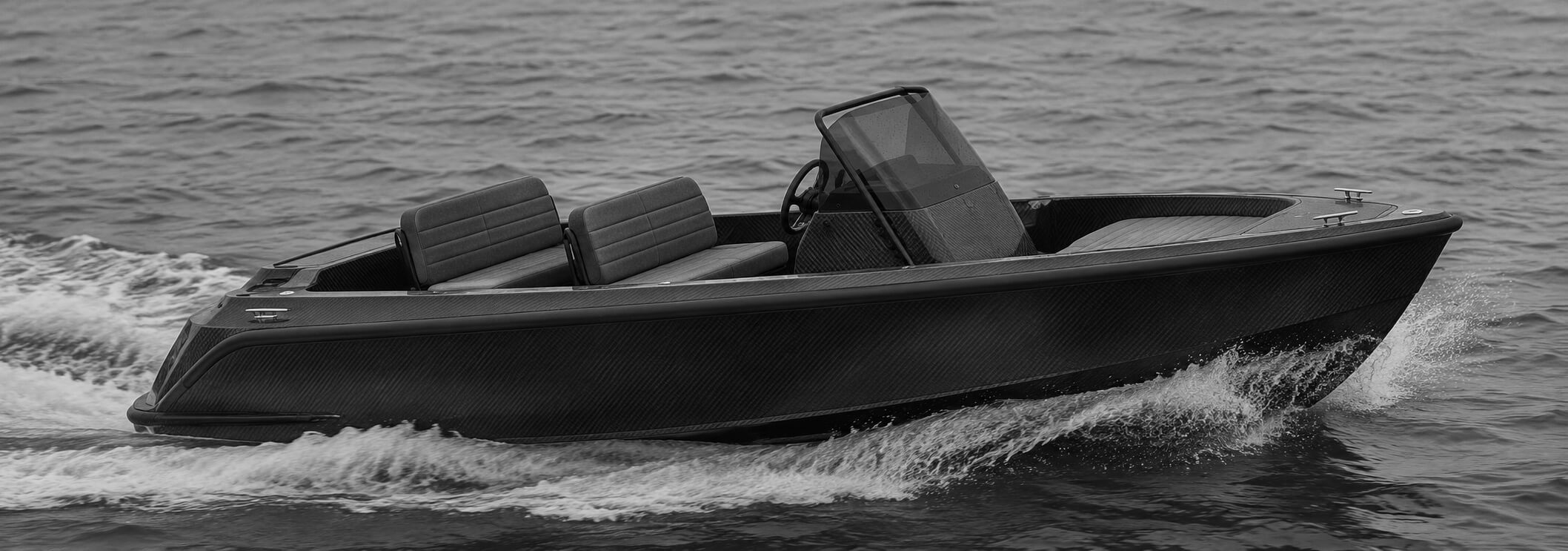
Plan tender hull programs around mounting interfaces, weight targets, and finish standards.
Develop fin blades around target flex, foot-pocket fit, and your approved finish.
Define product specifications, branding, and batch requirements for your market.
Explore our carbon fiber product ranges for OEM customization and batch production.
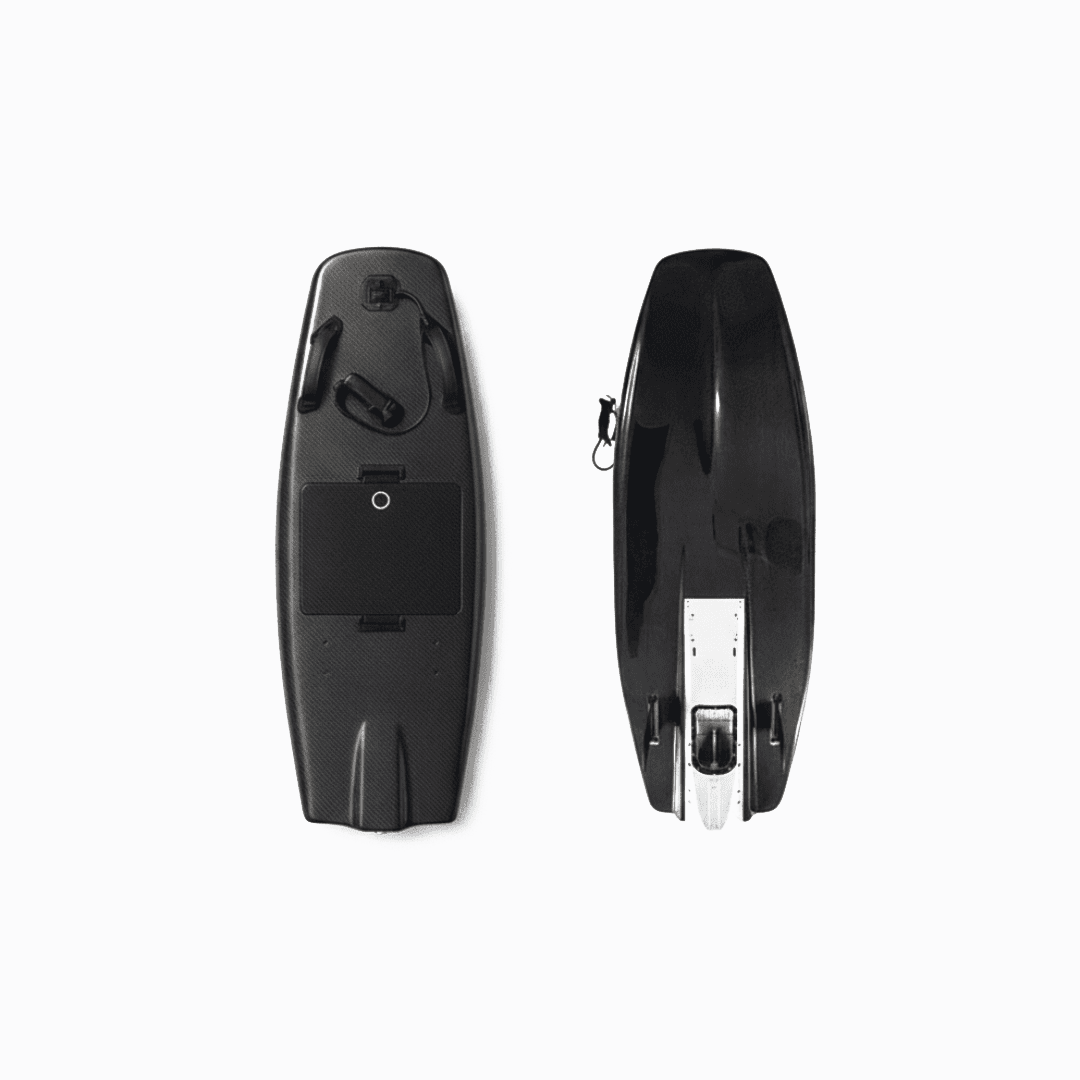
Electric surfboards, conventional surfboards, SUP boards, and surfboard fins.

eFoil boards, foil masts, front wings, stabilizers, and fuselages.
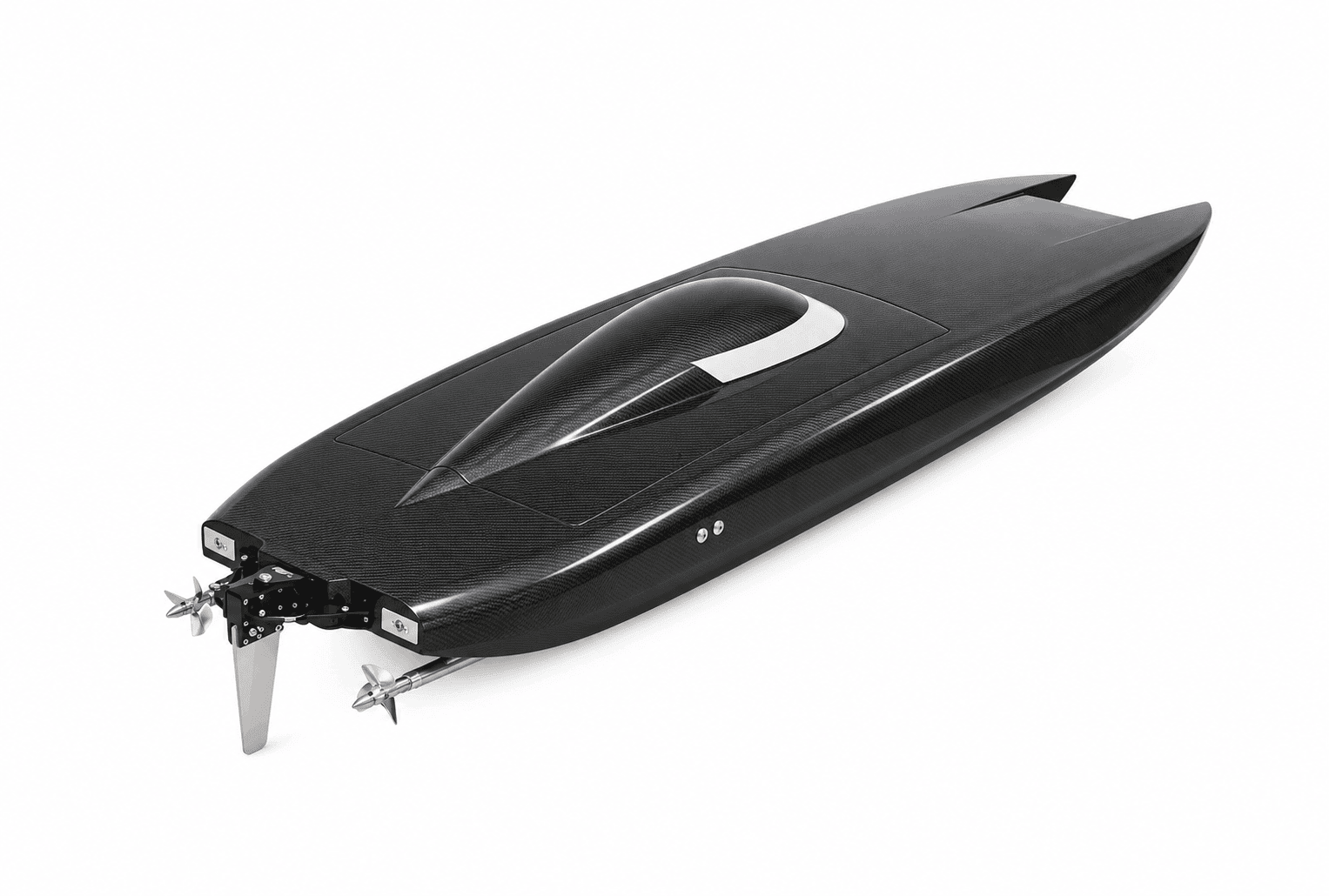
Hulls for tenders, racing boats, and speedboats, plus kayaks and canoes.
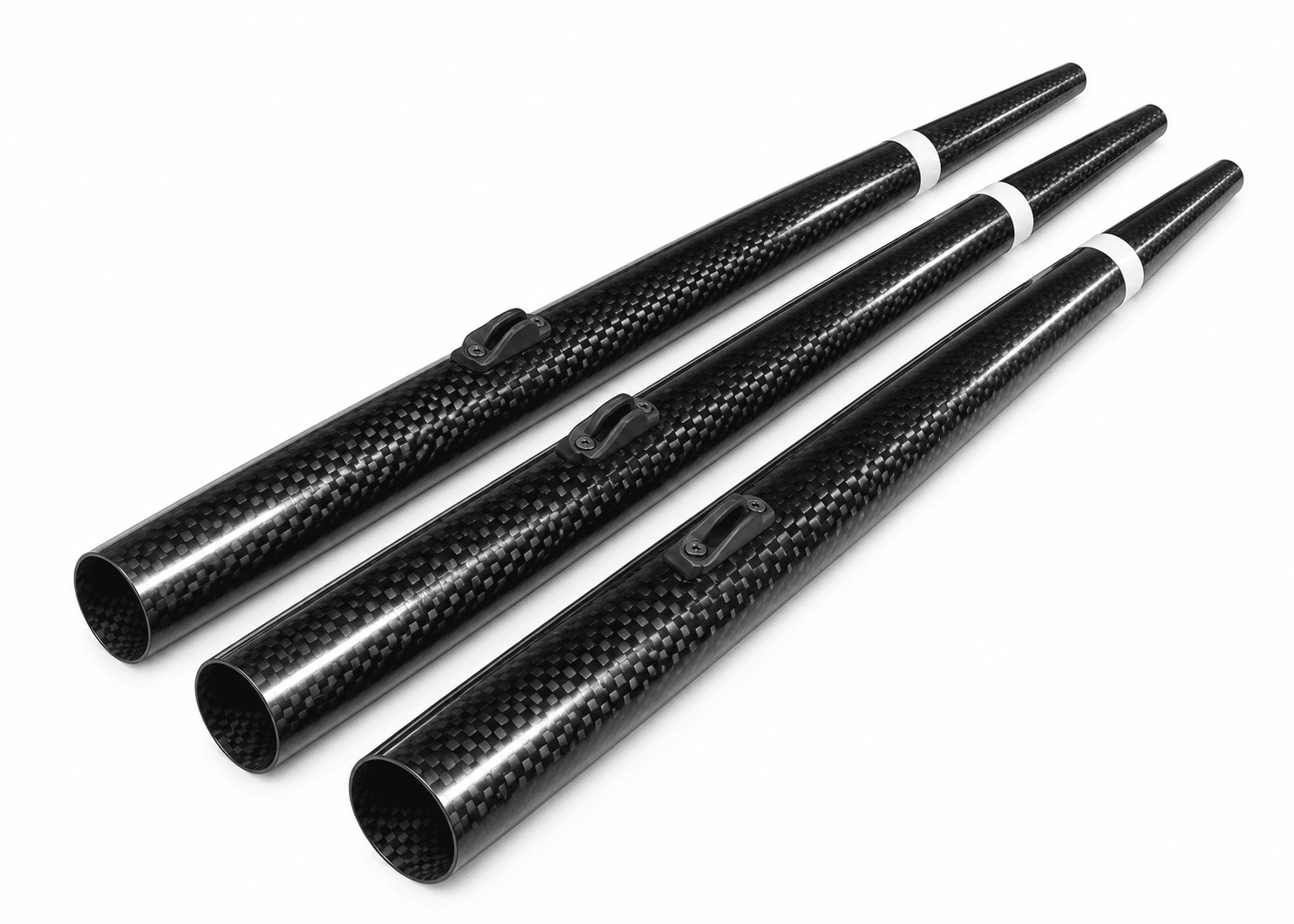
Sailing masts, booms, and spinnaker poles.
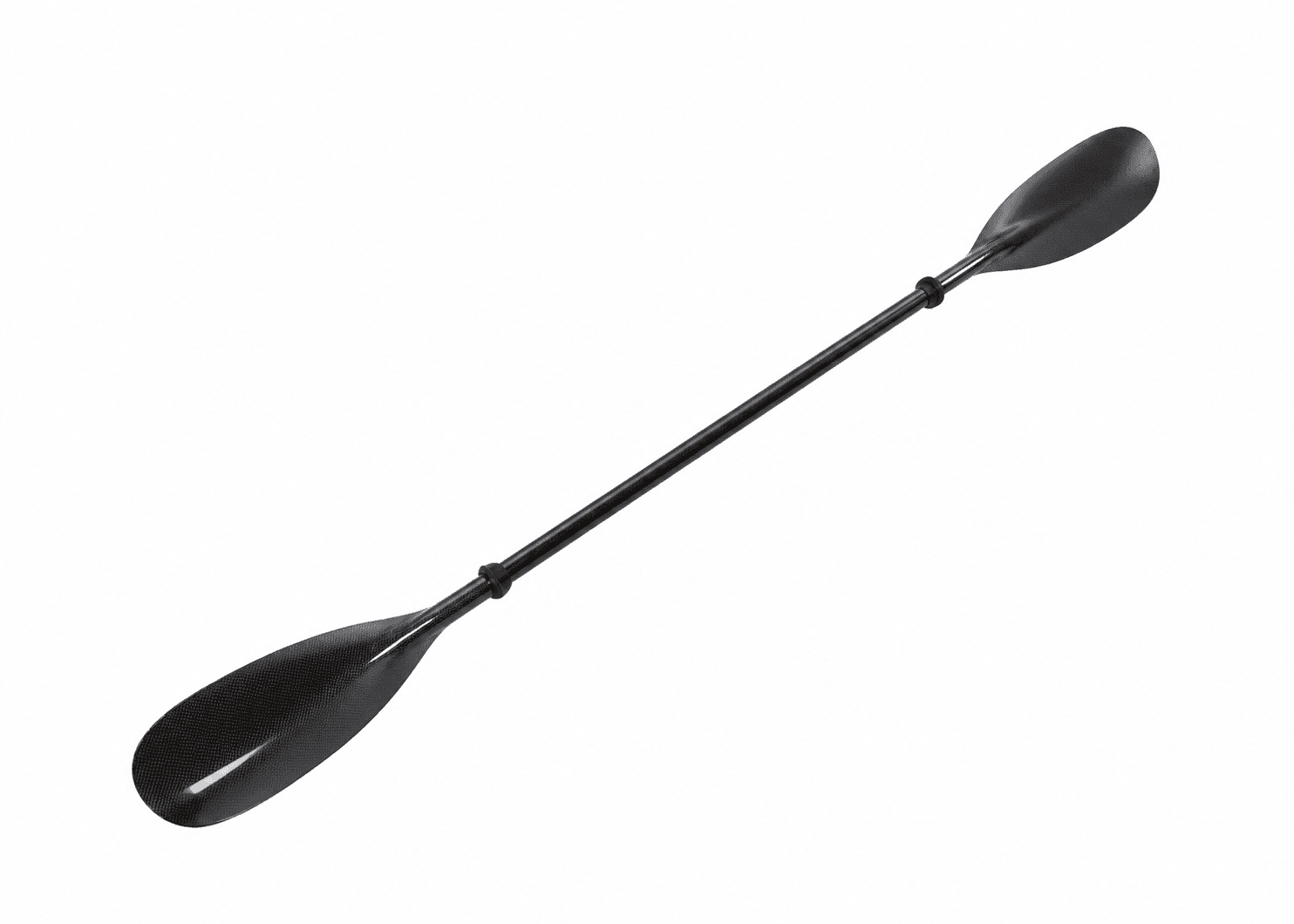
Paddles for kayaks, SUP boards, canoes, and dragon boats.
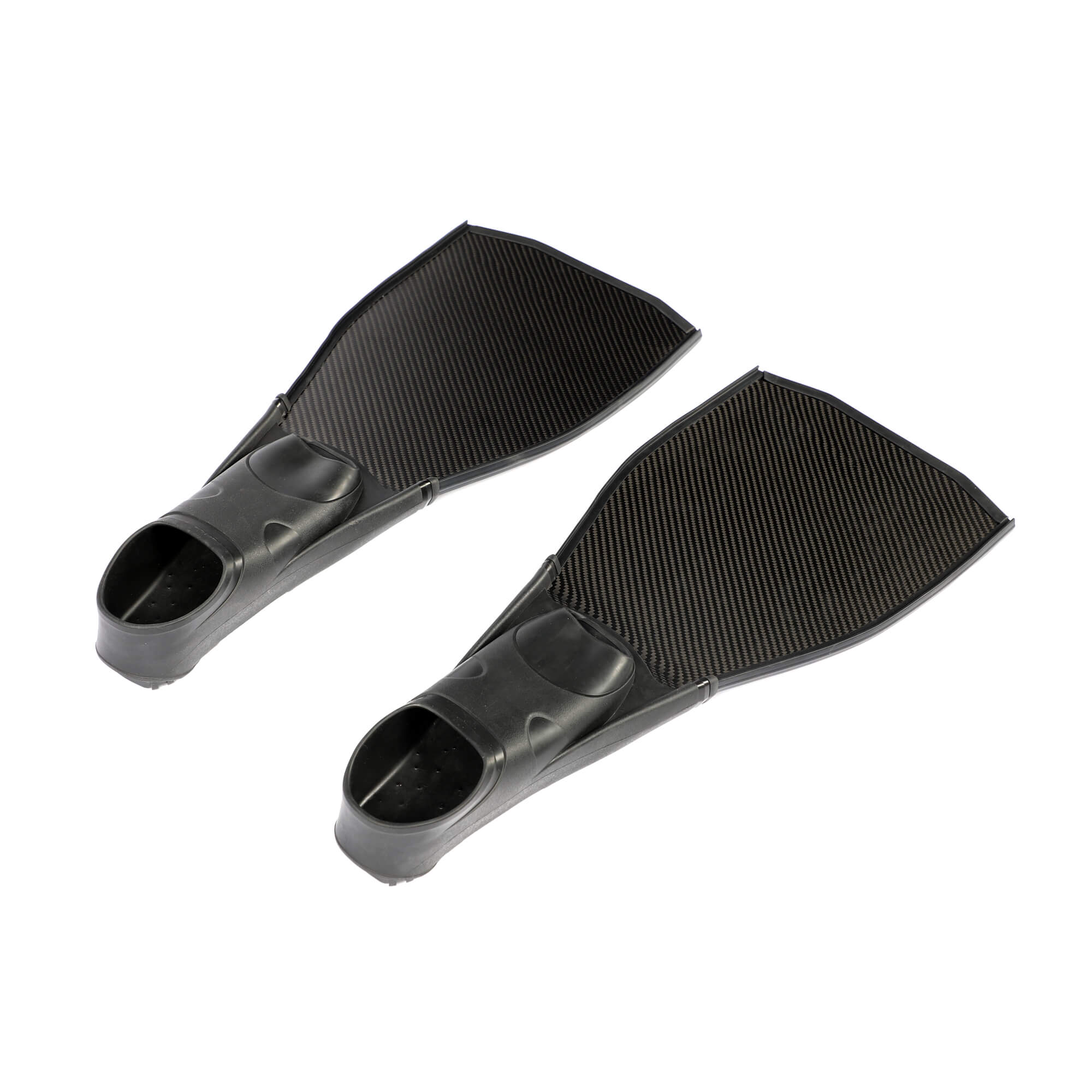
Fins and blades for freediving, scuba diving, and spearfishing.
Geometry, service loads, appearance, tooling budget, and volume guide the process recommendation.
We select autoclave curing or compression molding for boards, masts, and wings based on component geometry, loads, finish, and volume.
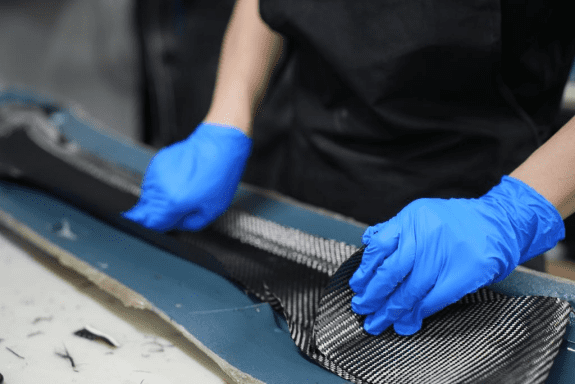
We vacuum-bag a multi-angle carbon prepreg layup and cure it in an autoclave to form the main shell as one piece.
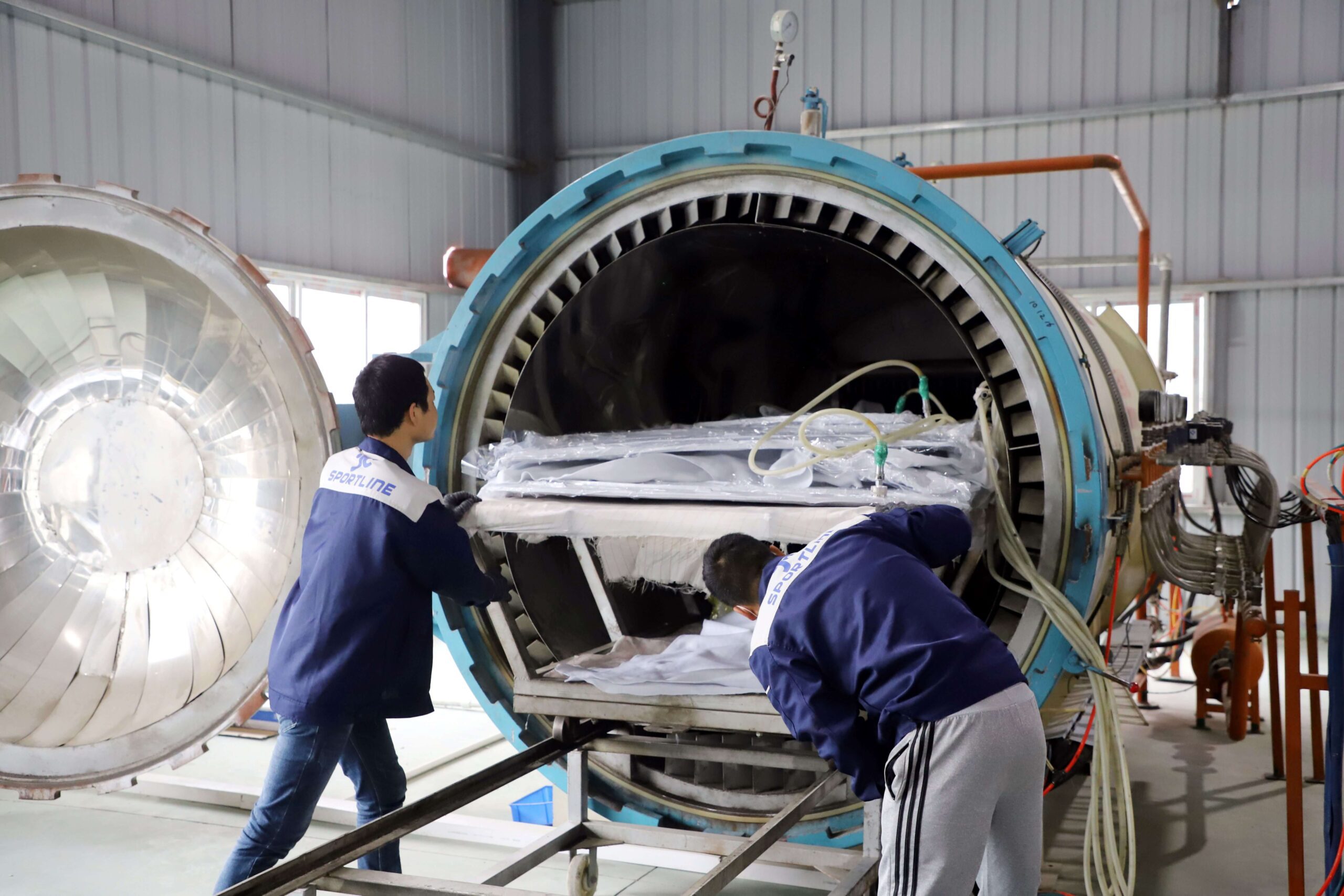
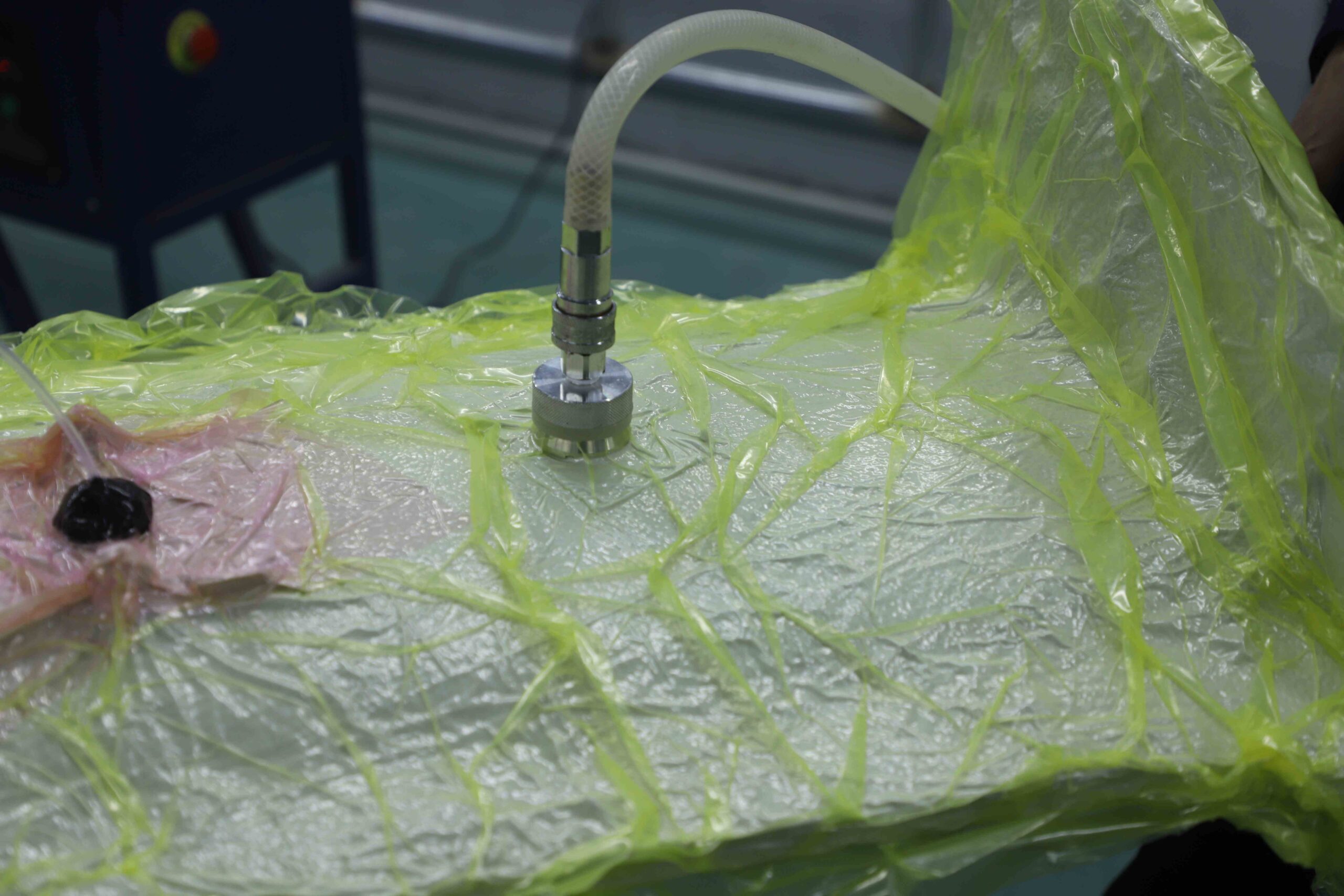
Our carbon fiber catamaran tender uses vacuum evacuation, precision molds, and autoclave curing. We review hull geometry, loads, and finish for your project.
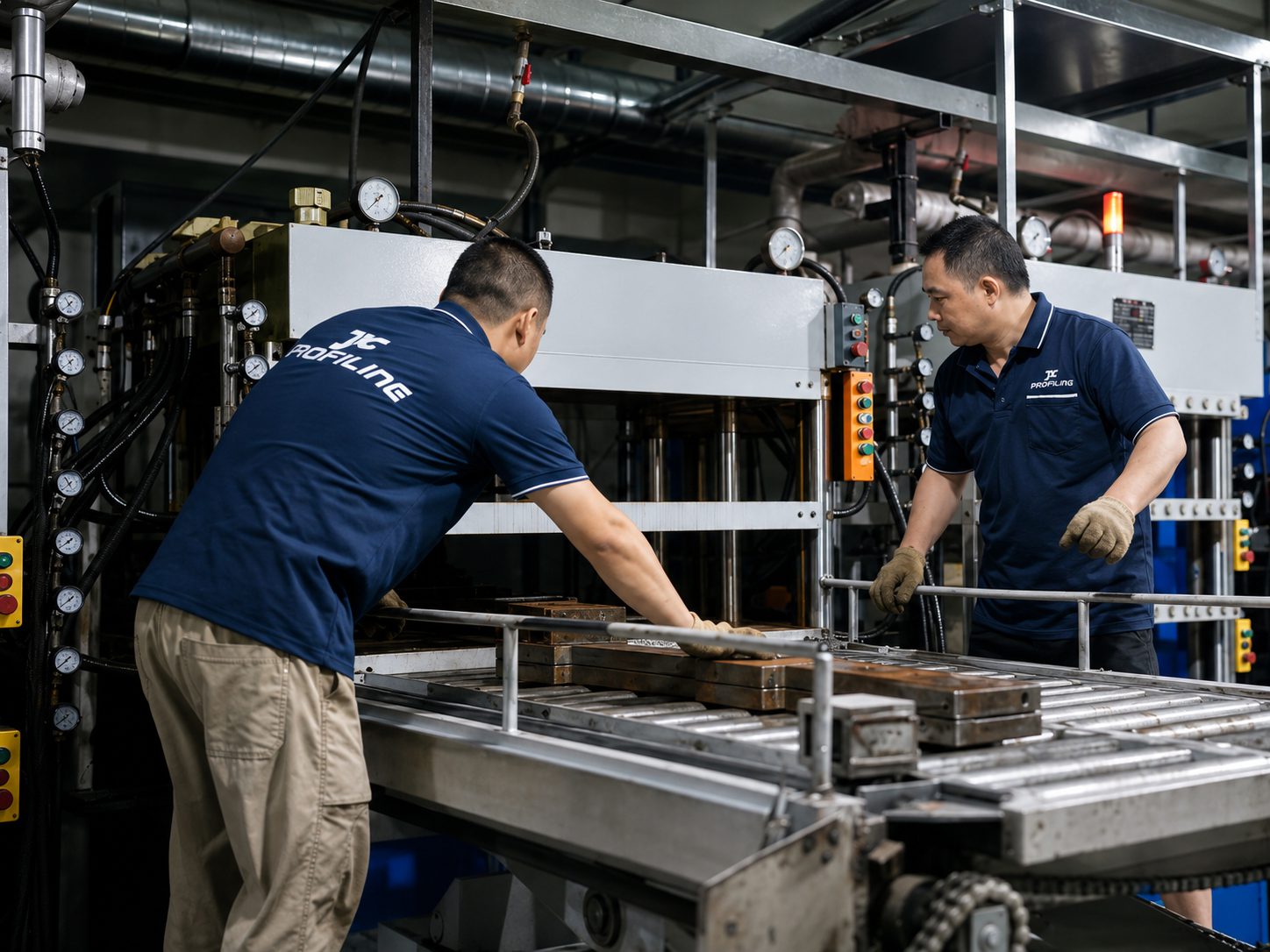
We use gradient layup and layered compression molding to tune stiffness along the fin blade.
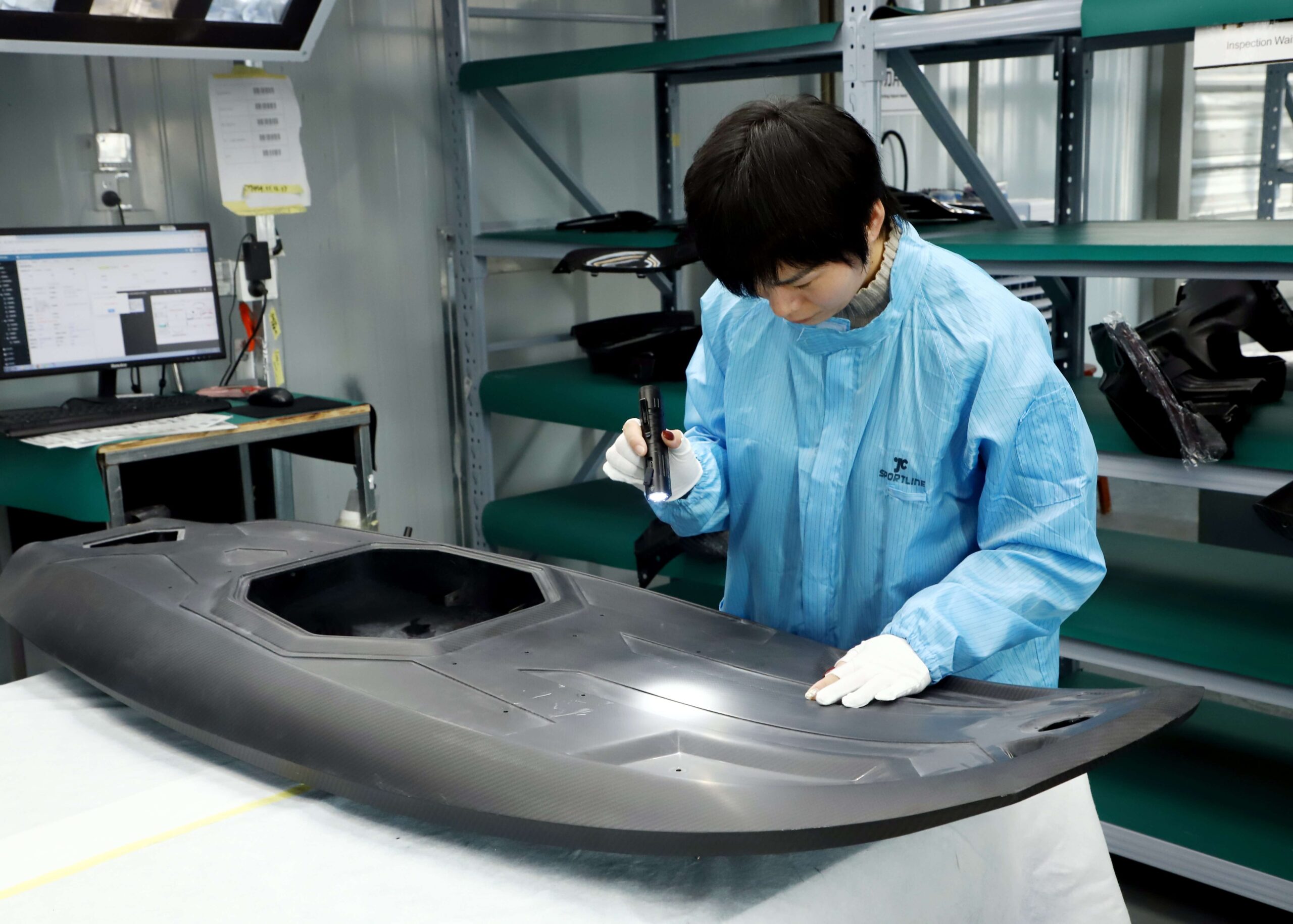
We agree on inspection and testing criteria during development and carry them into batch production.
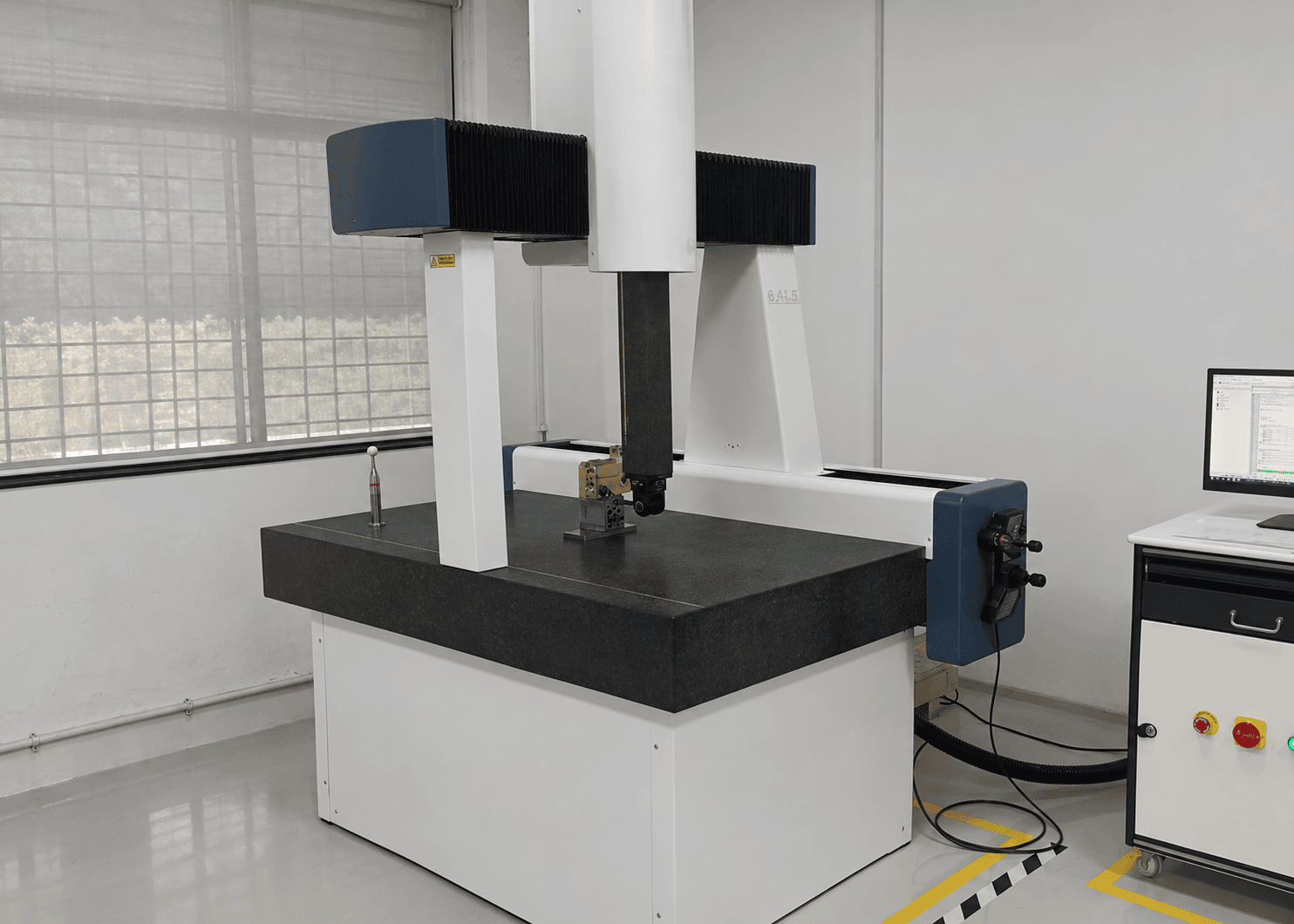
Verify critical dimensions and match inserts, joints, and assembly interfaces to the approved drawing.
Check weave alignment, finish, and visible defects against the approved sample.

Review fatigue, impact, saltwater, or UV exposure based on the application and agreed criteria.
Track the agreed material and production records for each batch.
Explore examples of custom carbon fiber work for electric surfboards, hydrofoils, yacht tenders, and diving fins.
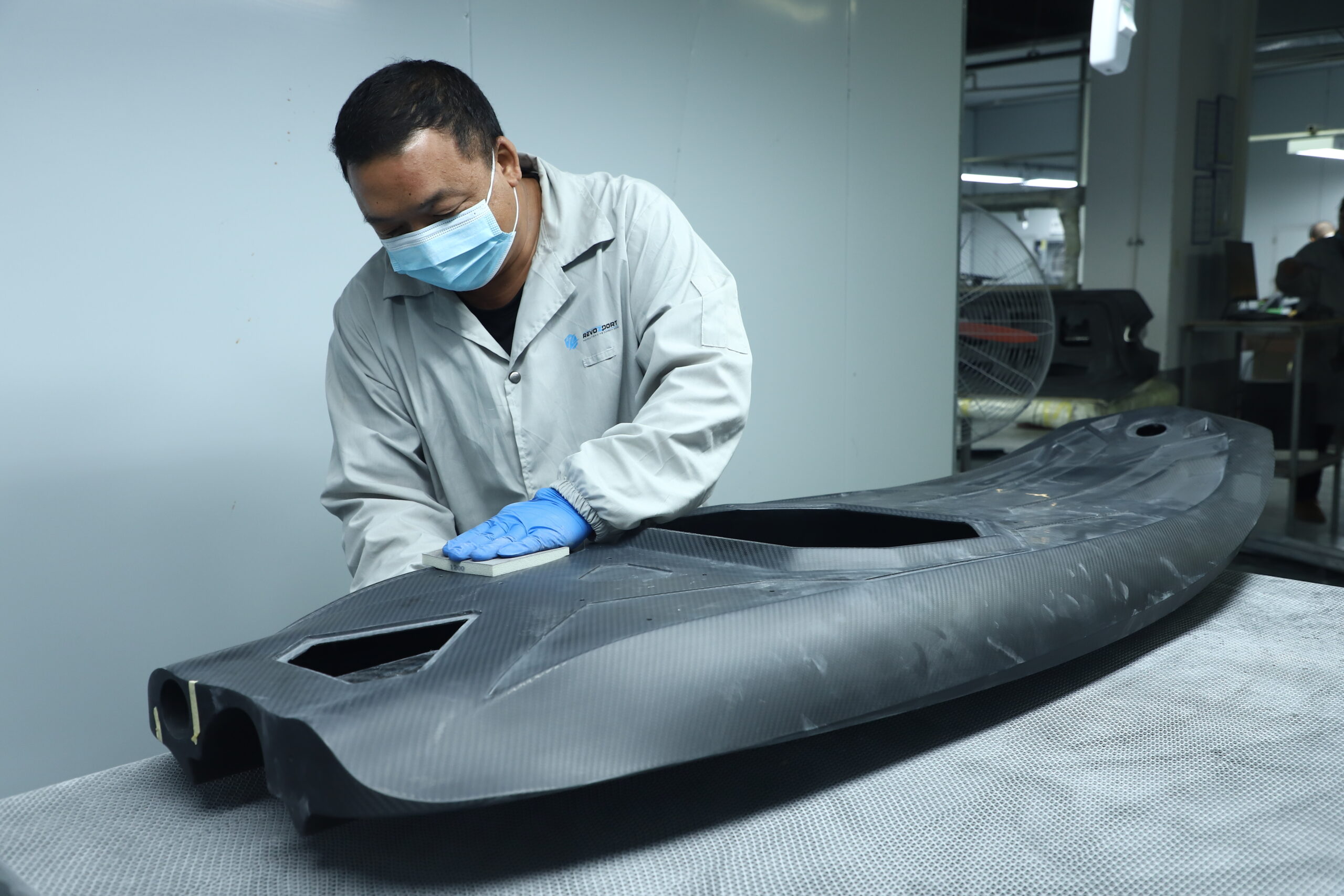
Autoclave-cured T700 carbon prepreg forms a one-piece board shell with an integrated core and removable or integrated battery options.
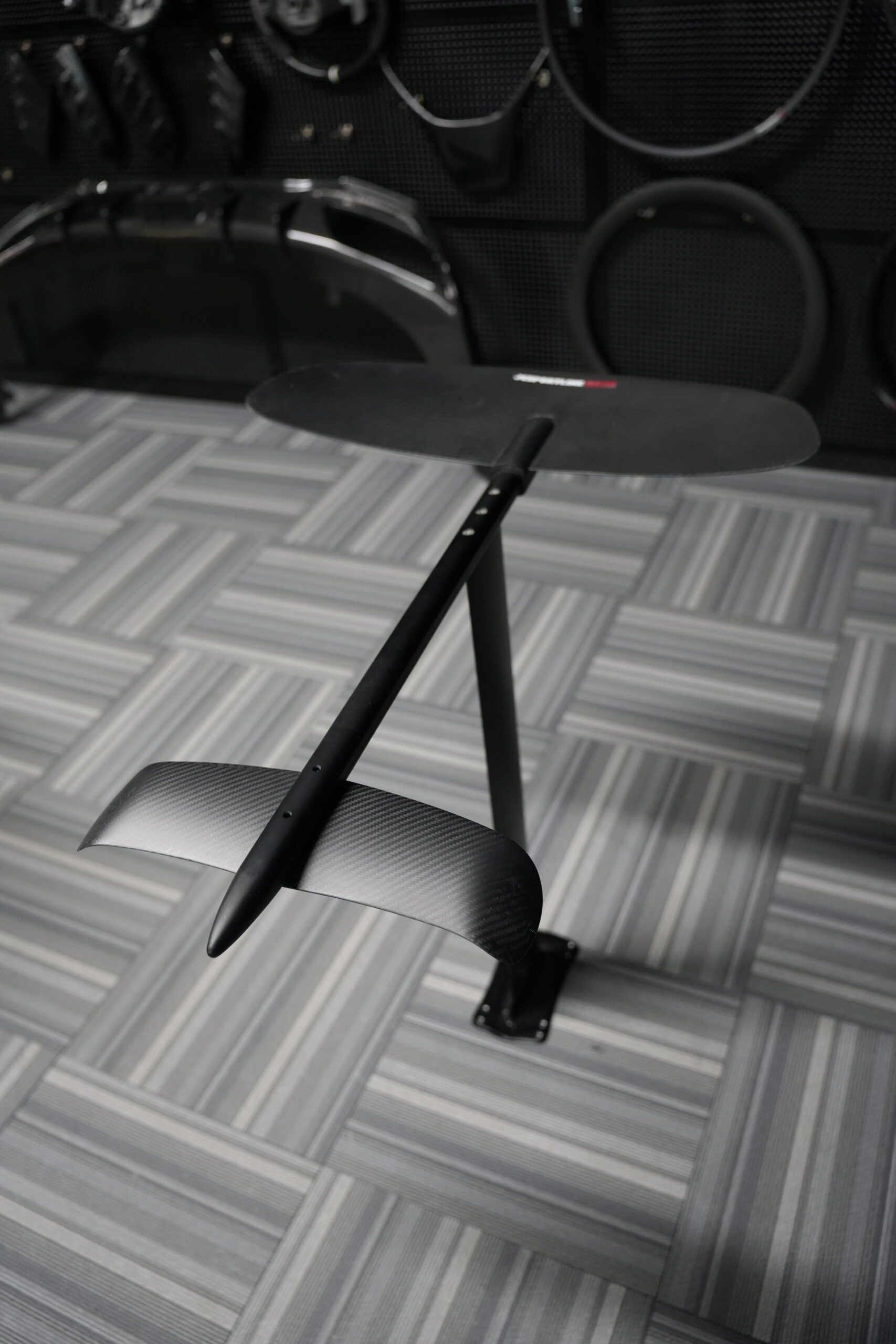
A one-piece molded carbon fiber shell over a PU foam core, with localized reinforcement available in high-stress areas.
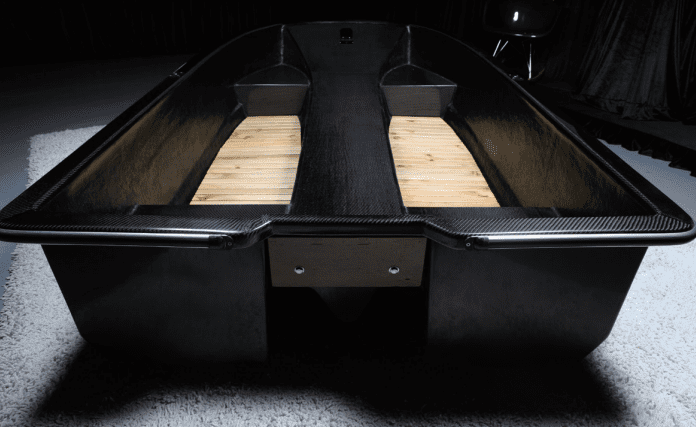
A carbon fiber catamaran tender built with precision molds, vacuum evacuation, autoclave curing, and embedded metal components.

Gradient layup and compression molding tune fin blade flex, with foot-pocket dimensions tailored to the project.