Empowering Your Project Success
- Home
- Services
- Industries
- Capabilities
- Products
- Resources
- Company
Carbon Fiber Mass Production Capability
Traceable Production System
A Traceable Mass Production System for Carbon Fiber Parts
A qualified carbon fiber sample is only the starting point. For long-term OEM and ODM cooperation, customers need stable batch production, repeatable quality, controlled delivery and clear responsibility for every process.
JCSPORTLINE manages carbon fiber mass production through a traceable system. From R&D standards and material inspection to production scanning, IPQC, FQC, warehouse management and after-sales feedback, each key step can be connected with production records and quality control points.
R&D Standard Setup
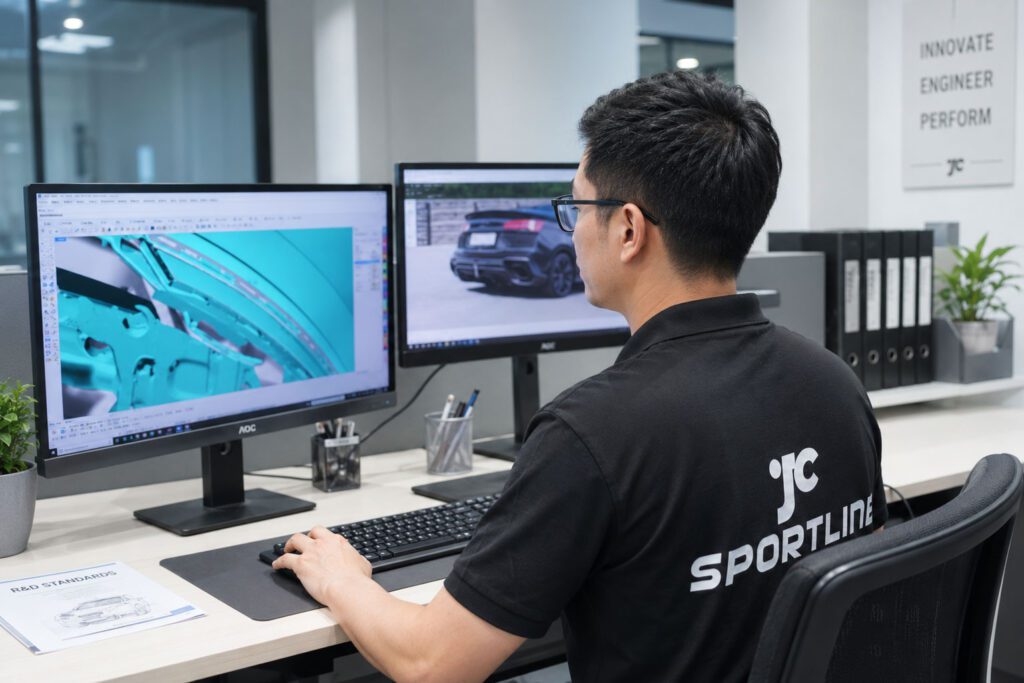
Before mass production starts, the R&D team defines product standards, engineering requirements and key control points based on customer drawings, samples and project specifications.
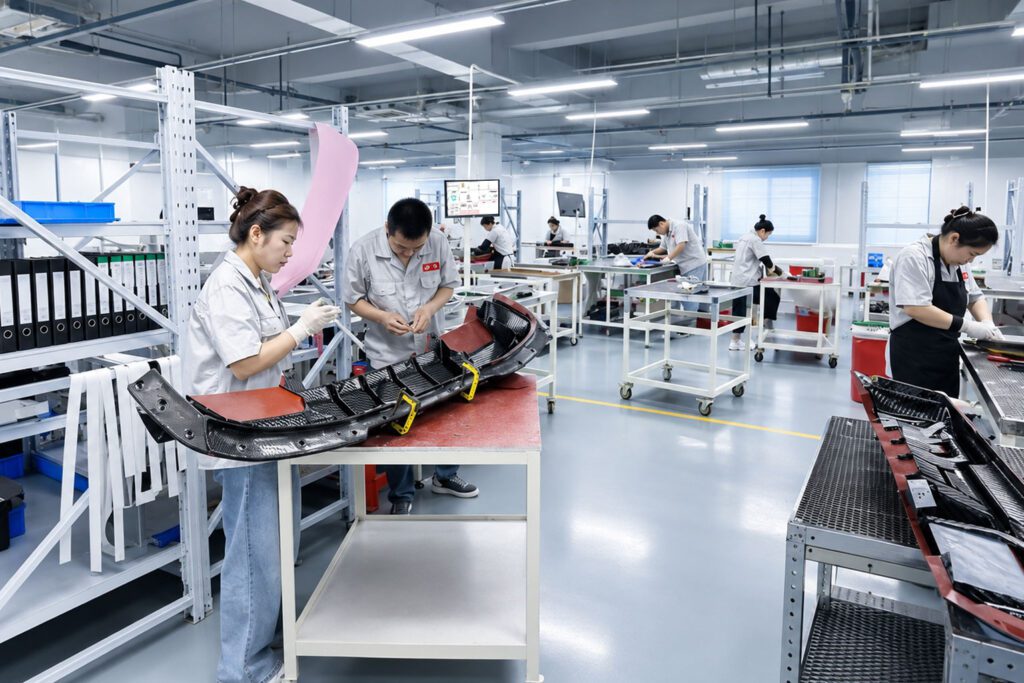
Production Process
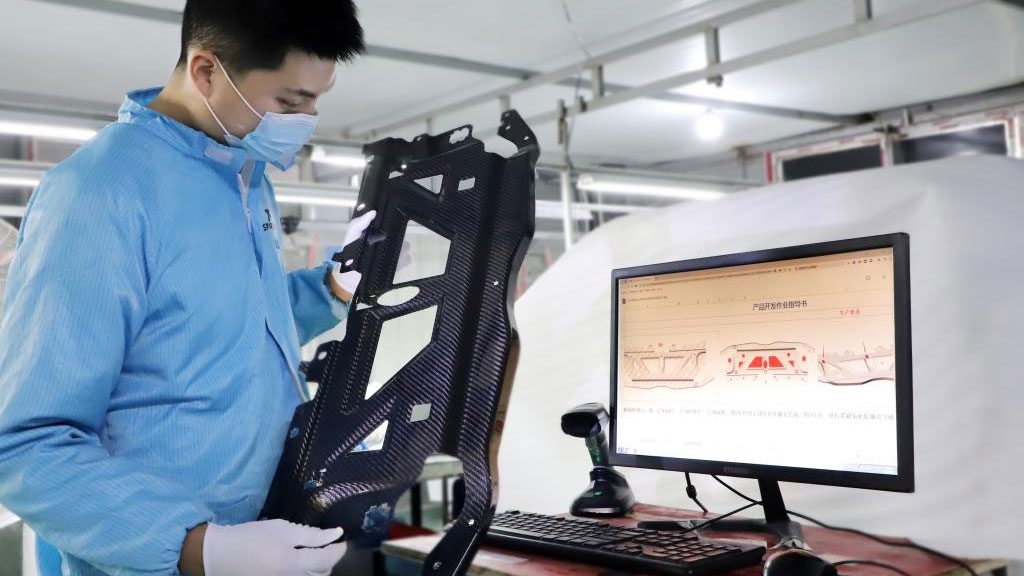
Carbon fiber production workshop with SOP display, organized workstations, and controlled assembly process.
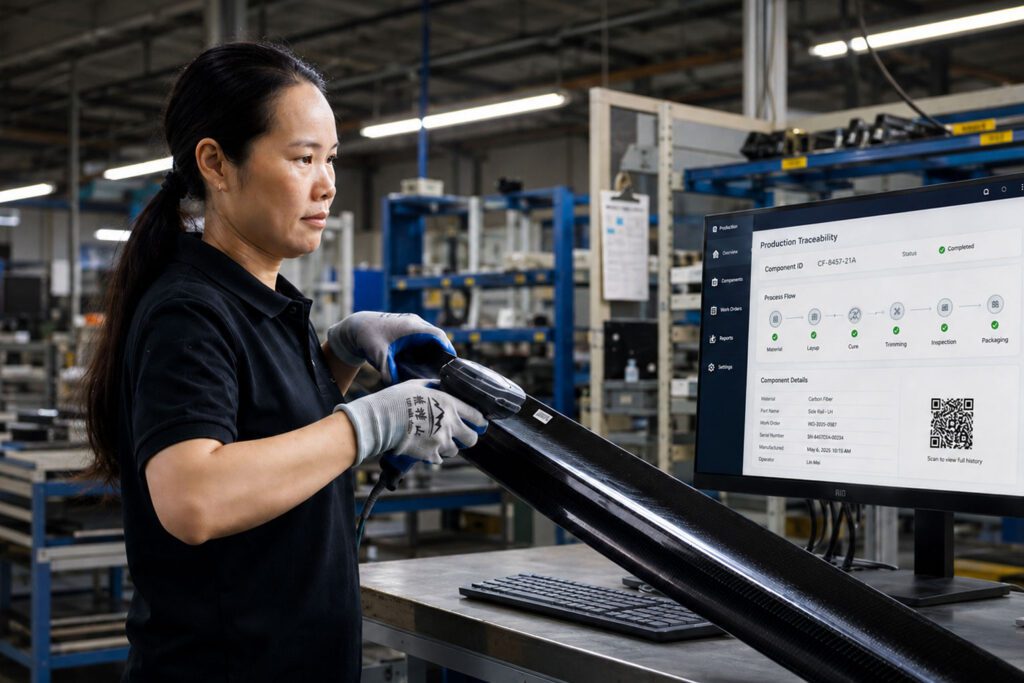
Barcode Scan
Barcode scanning links each carbon fiber part with production records, quality checkpoints, and batch traceability data.
Stable Batch Production
How We Control Stable Carbon Fiber Batch Production
Standardized Production Process
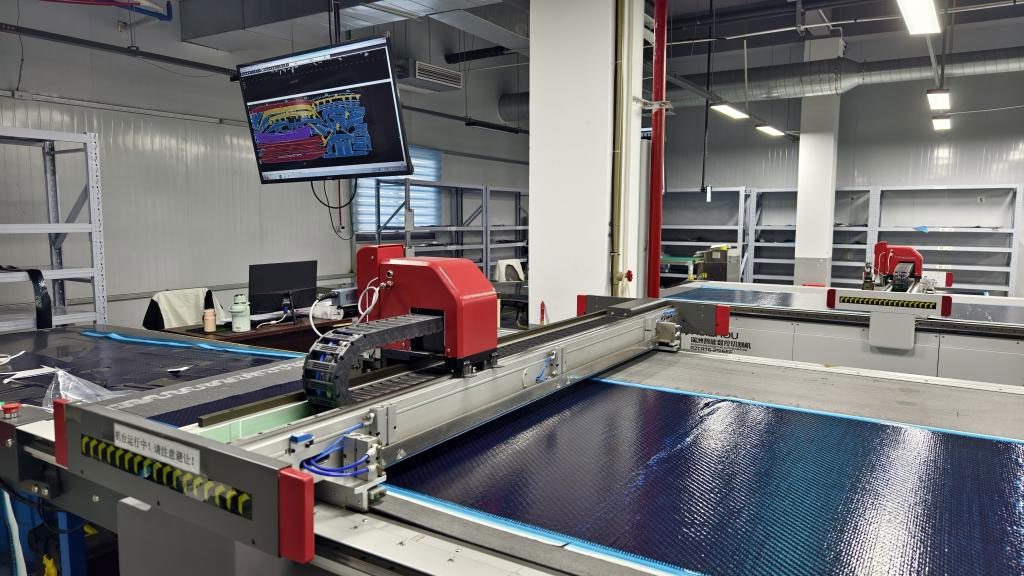
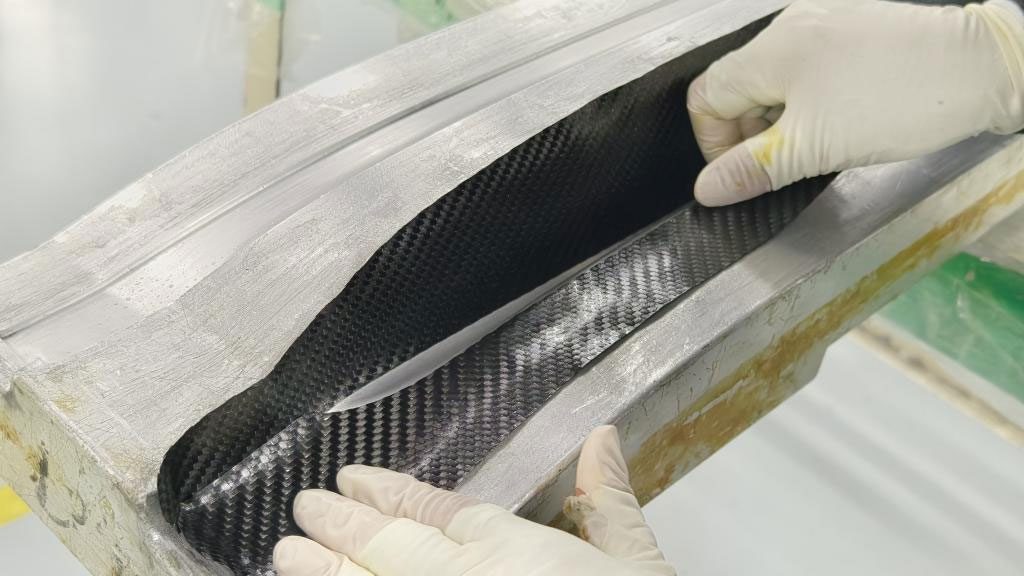
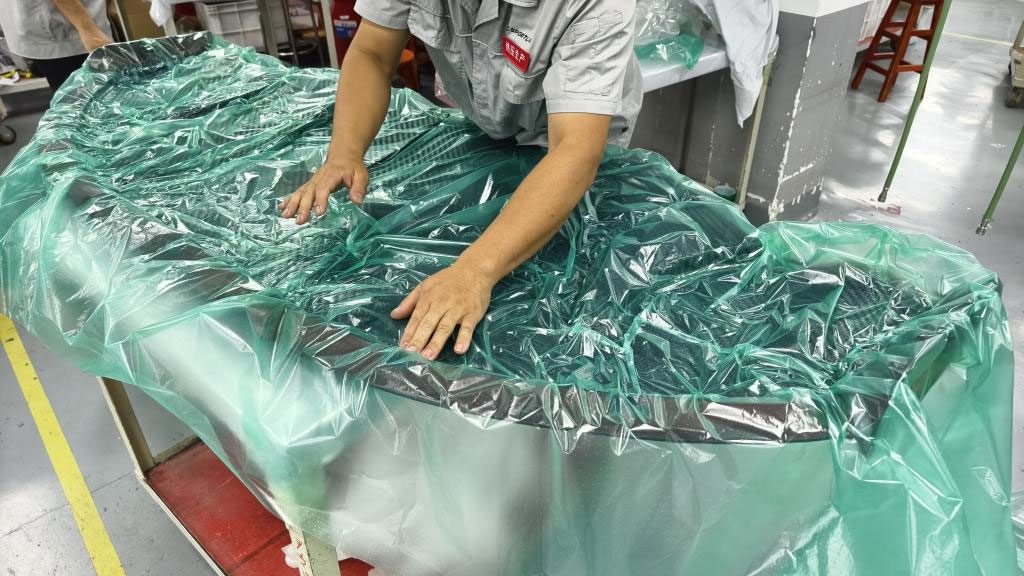
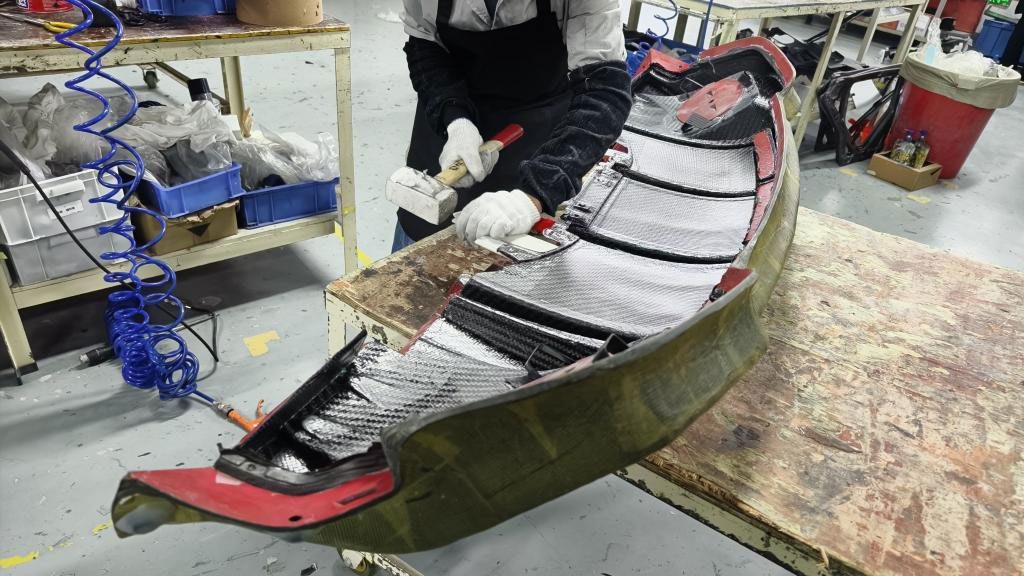
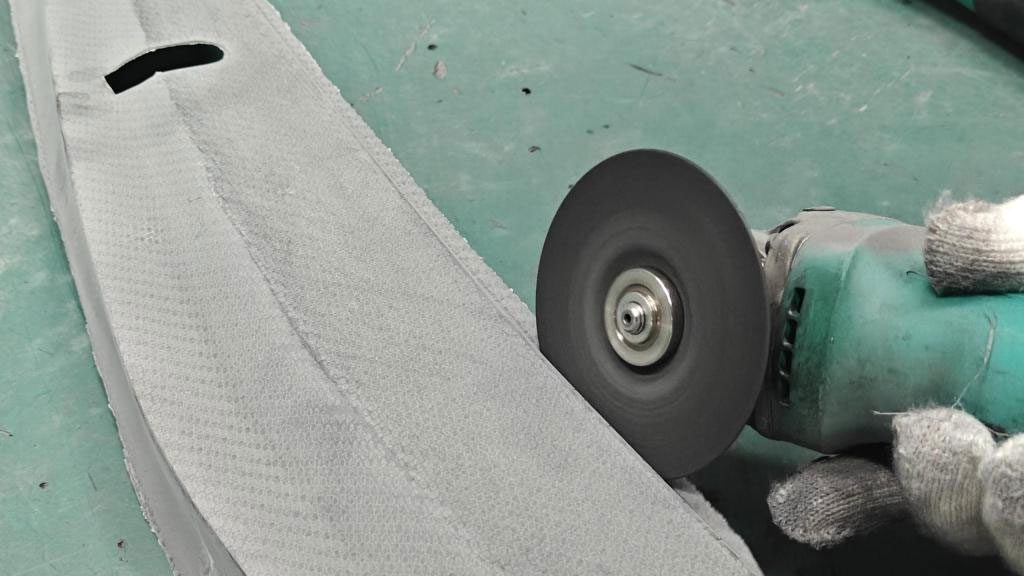
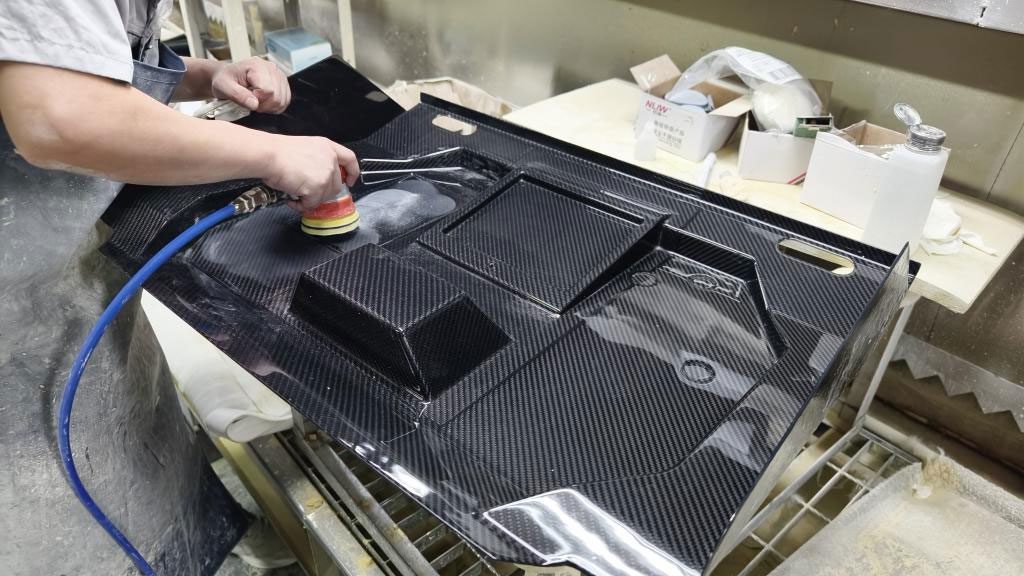
Clear SOPs guide each production stage, including material preparation, mold cleaning, cutting, layup, vacuum bagging, molding, trimming, surface finishing and final inspection.
Barcode Traceability System
Each product can be scanned during production to trace process records, control points, inspection status, operator information, batch data and after-sales feedback.
Certified Quality Management
ISO 9001 and IATF 16949 quality management systems support standardized production, process control and continuous improvement for automotive carbon fiber projects.
Closed-Loop Quality Improvement
NCR reports, customer feedback and internal audit results are used to analyze root causes, update control standards and prevent repeated quality issues.
Production Process
Controlled Carbon Fiber Production Process
From raw material preparation to final inspection, every major production step is controlled by defined process standards and quality checkpoints.
Carbon fiber production requires more than equipment. Process discipline is critical to keep shape accuracy, surface quality, structural stability and batch consistency.
Main Differentiator
Barcode Traceability Throughout the Entire Production Chain
Barcode traceability connects production records, inspection results, control points, warehouse status and after-sales feedback into one closed management loop.
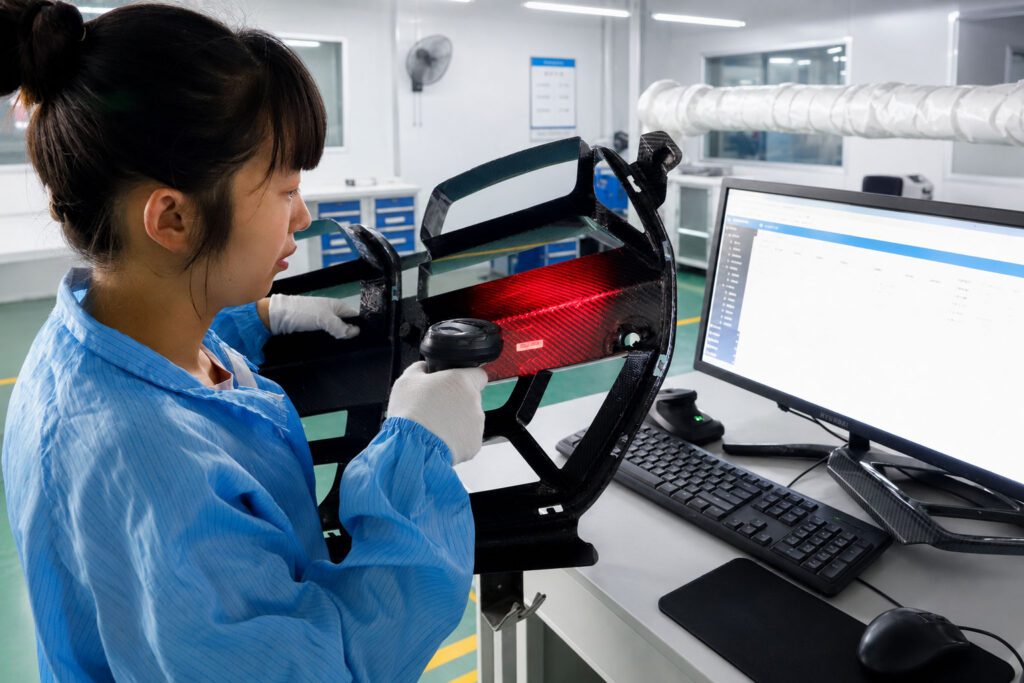
For mass production projects, traceability is essential. JCSPORTLINE uses barcode scanning to connect each product with its production process, inspection records and quality control points.
When a product enters a key production stage, operators can scan the barcode to check process requirements and record production status. Quality teams can also trace inspection results, batch information and issue records through the system.
If customer feedback occurs after delivery, the barcode record helps trace the related batch, production step, inspection status and responsible control point, supporting faster analysis and continuous improvement.
R&D Standard Setup
Product standards, process requirements and key control points are defined before production starts.
Production Barcode Scan
Operators scan the product barcode to confirm production steps and record process information.
IPQC Inspection Record
In-process inspection results are connected with product records to monitor quality during production.
FQC Before Warehousing
Finished products are inspected before entering inventory to ensure surface, fitment and packaging standards.
After-Sales Traceback
Customer feedback can be traced back to batch records, inspection data and process control points.
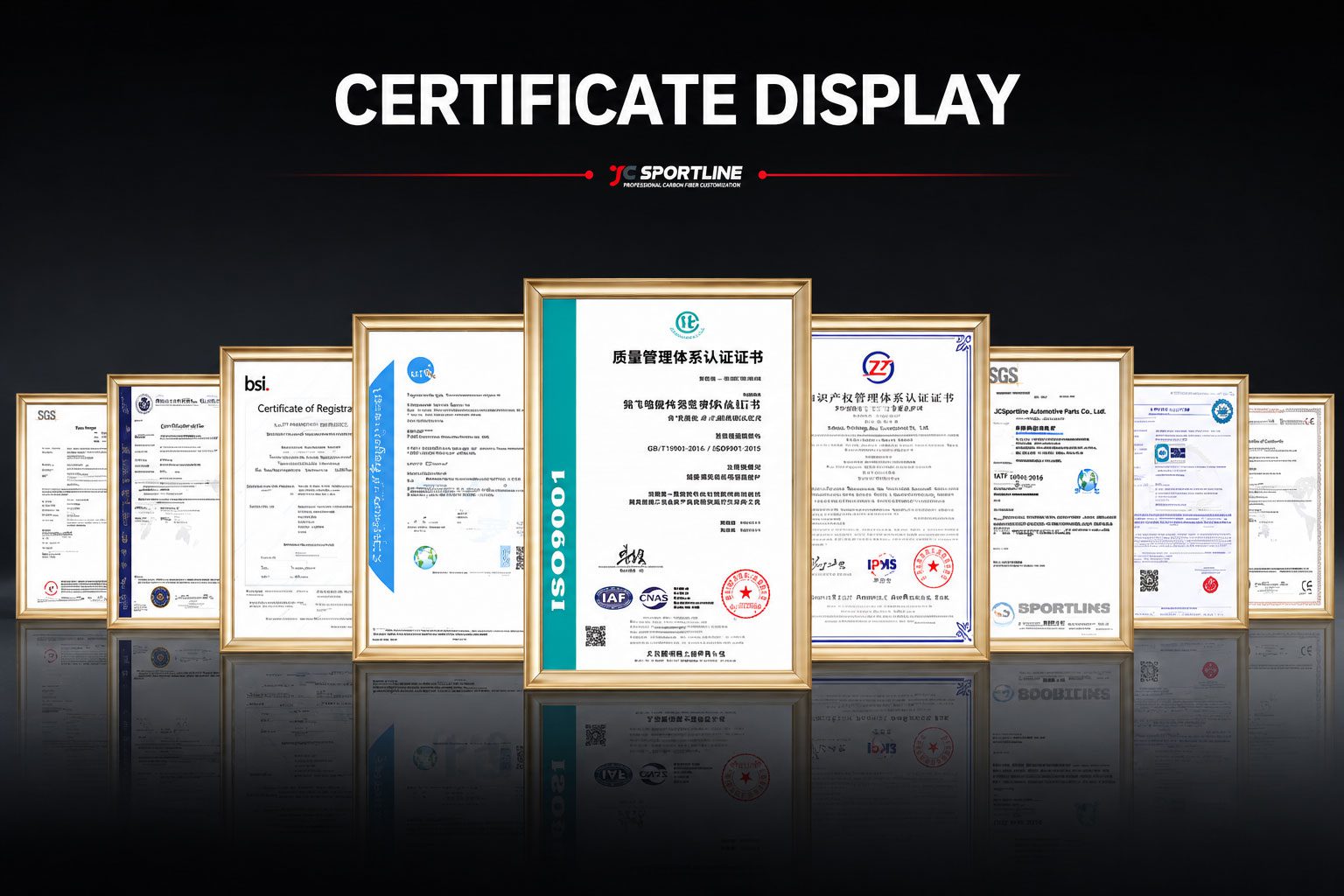
Certified System
ISO 9001 & IATF 16949 Certified Quality Management
Certified quality management systems support standardized production, process control and continuous improvement for automotive carbon fiber projects.
JCSPORTLINE follows certified quality management systems to support stable carbon fiber manufacturing and long-term B2B cooperation. These systems help standardize production responsibility, inspection records, process improvement and customer feedback handling.
R&D Standard Setup
Product standards, process requirements and key control points are defined before production starts.
Production Barcode Scan
Operators scan the product barcode to confirm production steps and record process information.
Quality Management
Quality Is Designed, Produced and Traced
Consistent quality is not only inspected at the end. It is built through standards, process control, inspection records and continuous improvement.
R&D
SOP
Production
IPQC
Audit
FQC
Warehouse
Market Feedback
NCR
Ensuring Consistency
Ensuring Consistency and Durability
With ISO-certified processes, we implement rigorous quality control at every stage. Our carbon fiber products are built to last, offering exceptional strength, lightweight performance, and reliability across various industries.
Incoming Quality Control
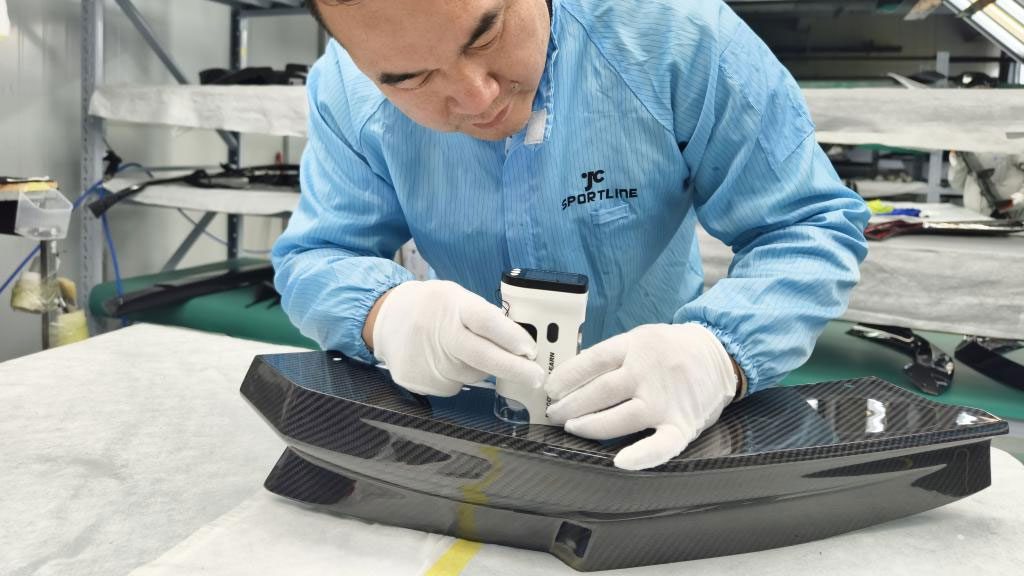
IQC Raw Material Inspection
Incoming quality control helps reduce production risk before carbon fiber parts enter mass production.
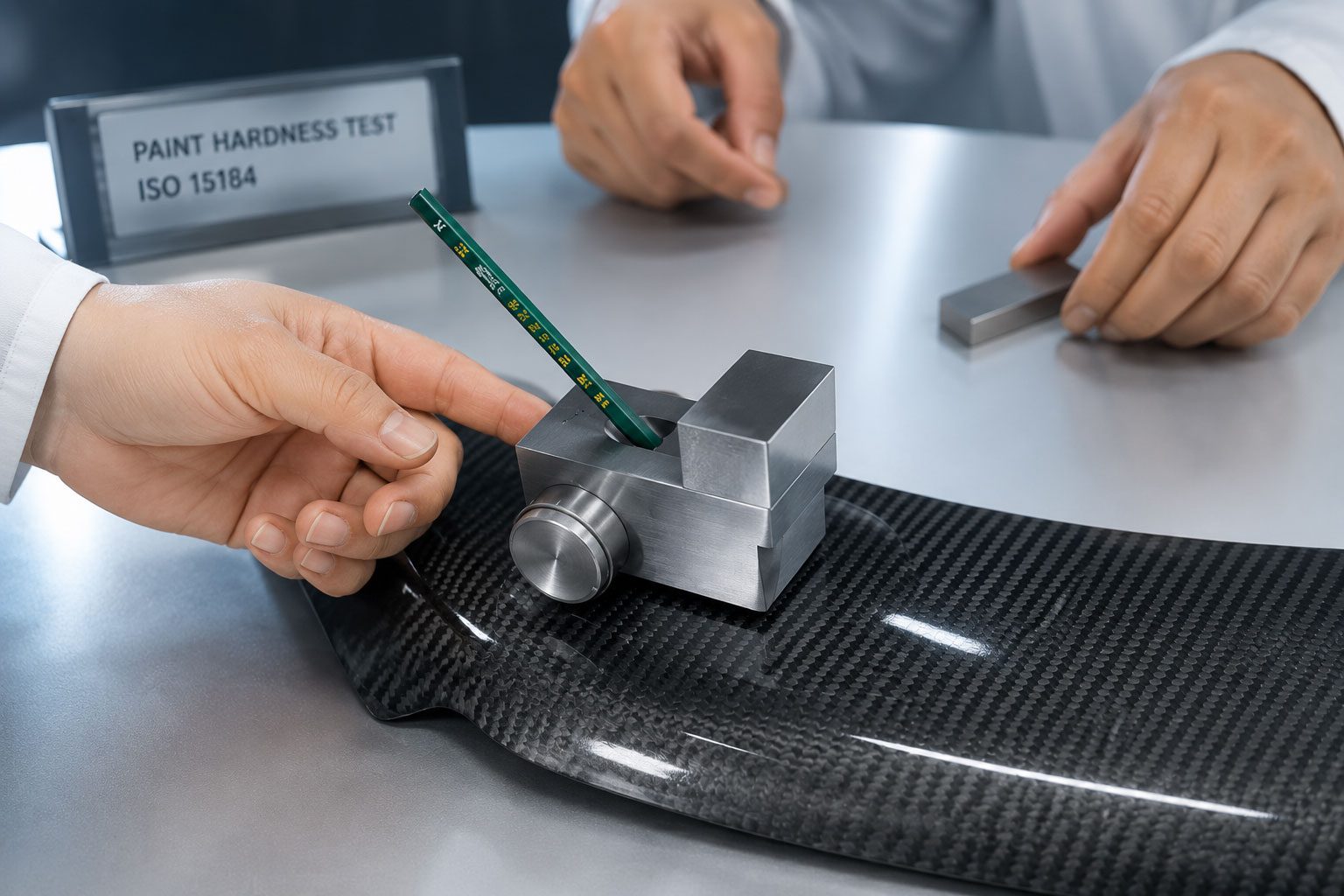
Painting Hardness Test
Verifies surface durability and resistance to scratches, wear and handling damage.
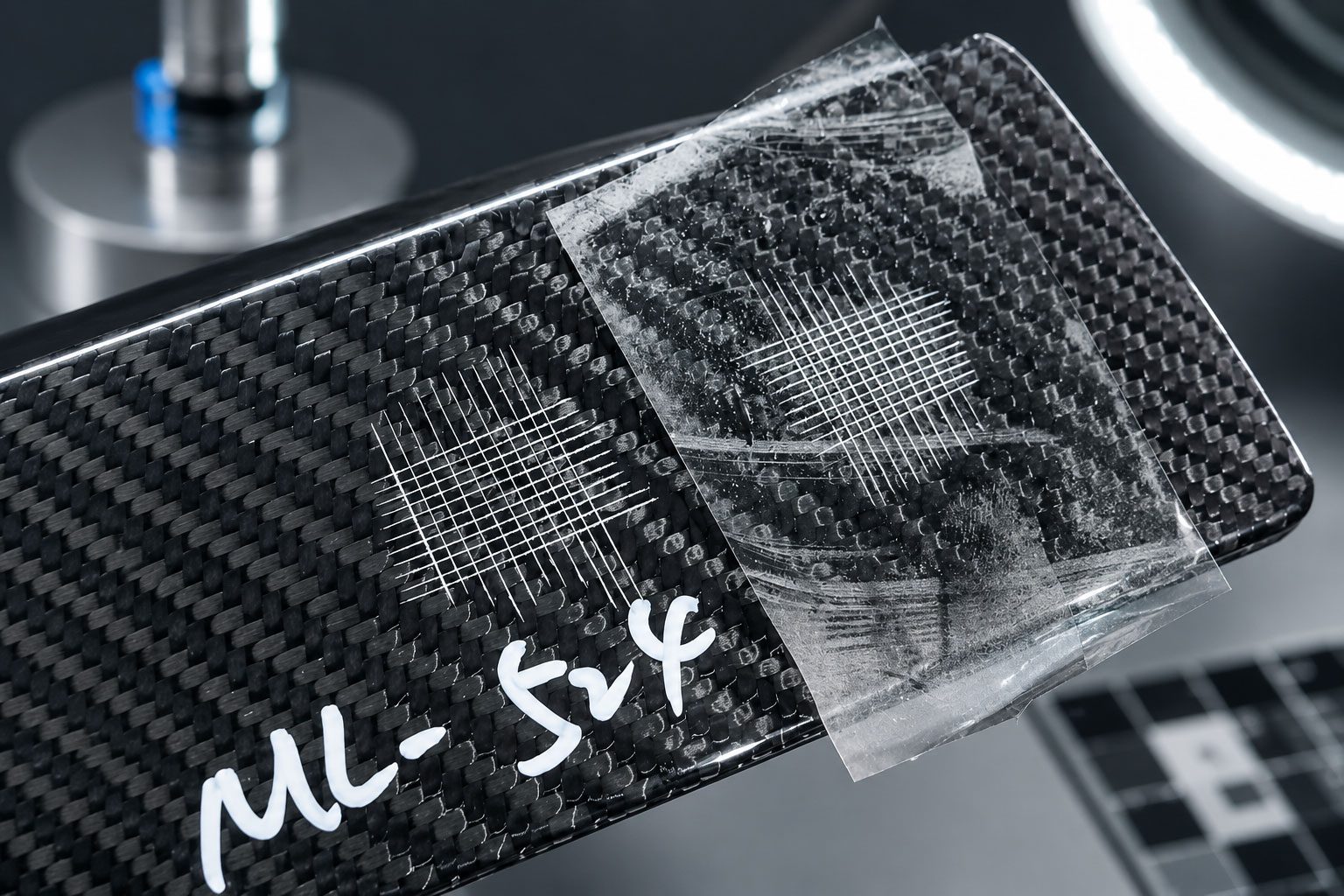
Paint Adhesion Test
Checks coating bonding strength to reduce peeling, flaking and surface failure risks.
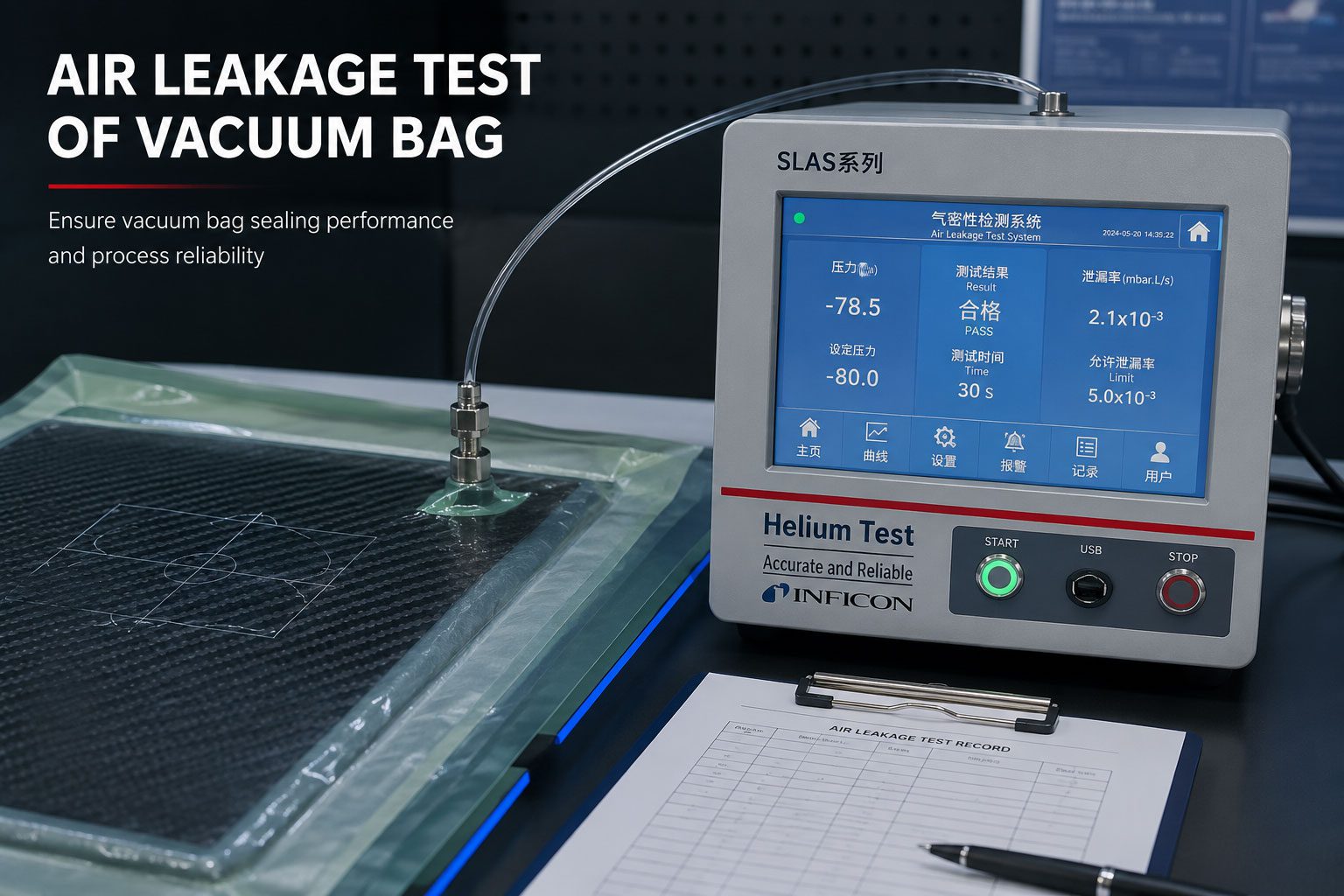
Vacuum Bag Air Leakage Test
Confirms vacuum integrity before curing to avoid process defects caused by air leakage.
Yellowing Resistance Test
Evaluates UV stability and long-term appearance performance under outdoor conditions.
In-Process Quality Control
IPQC In-Process Quality Control
IPQC monitors key production control points to ensure each workstation follows approved SOPs and customer standards. Issues found during production are reported and corrected in time, helping reduce rework, delivery risk and repeated quality problems.
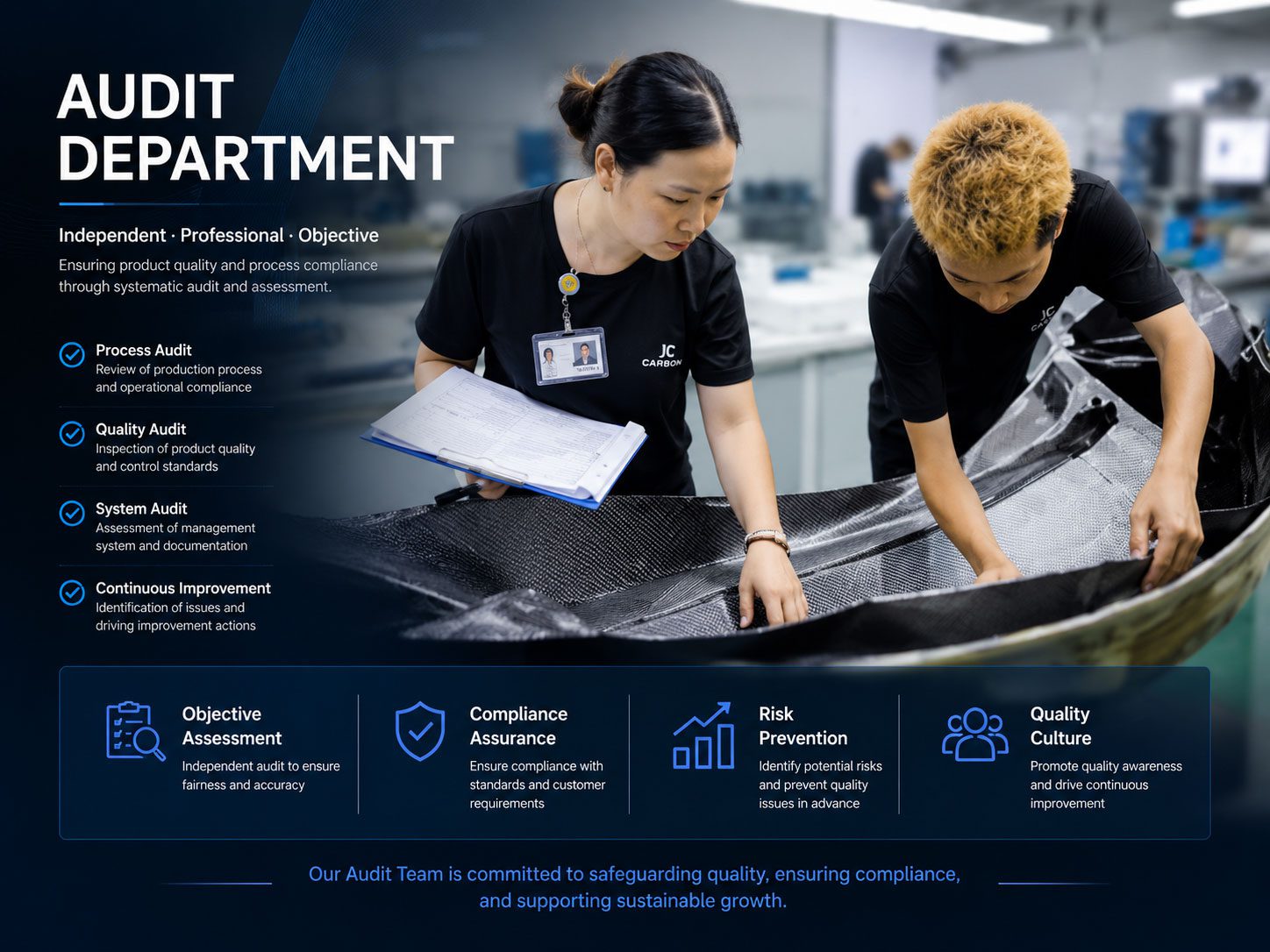
Audit Department
Conducts daily inspections to verify the accuracy of IPQC records and process execution.
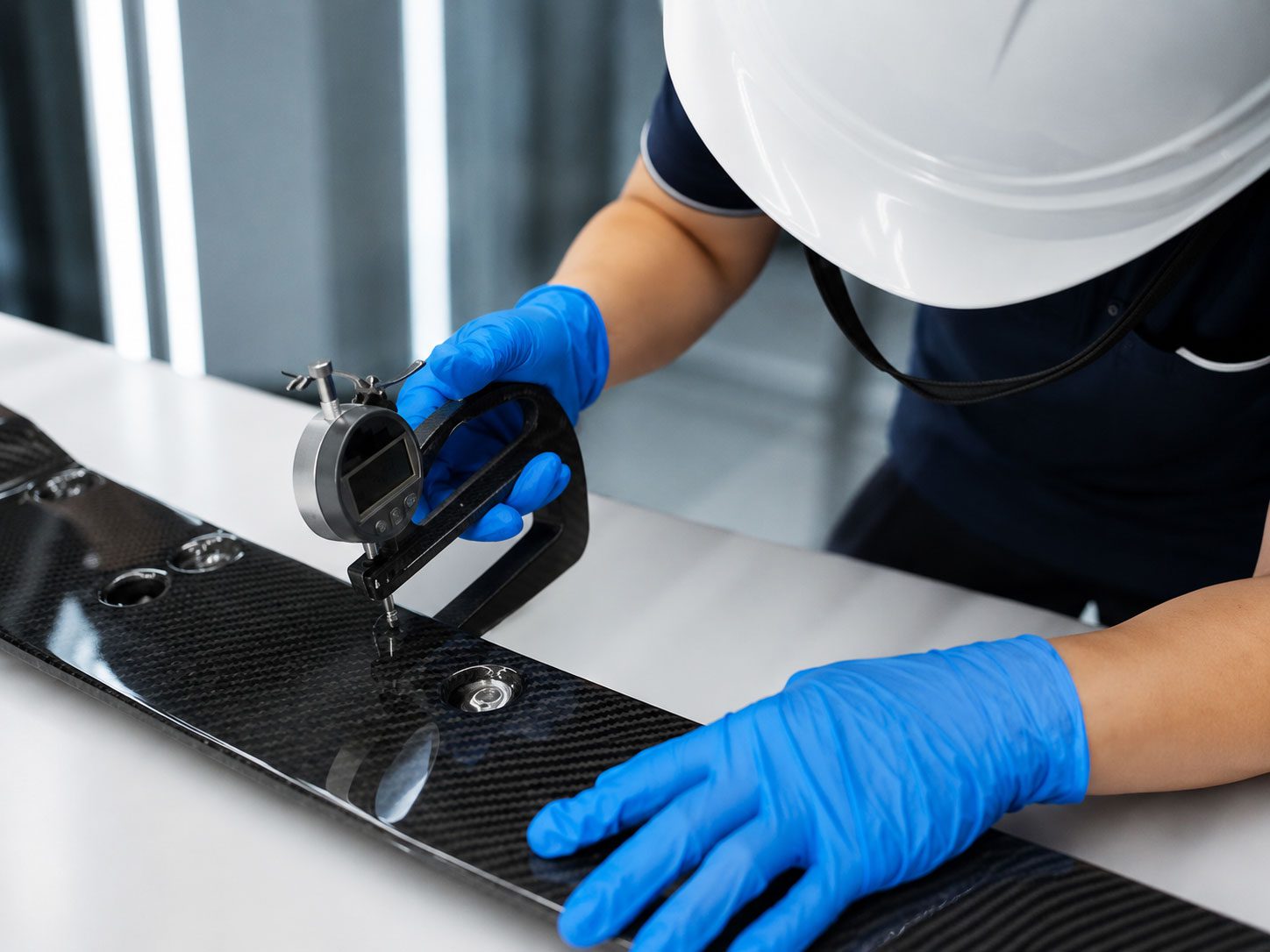
IPQC Department
Monitors quality in real time during the production process and checks key control points.
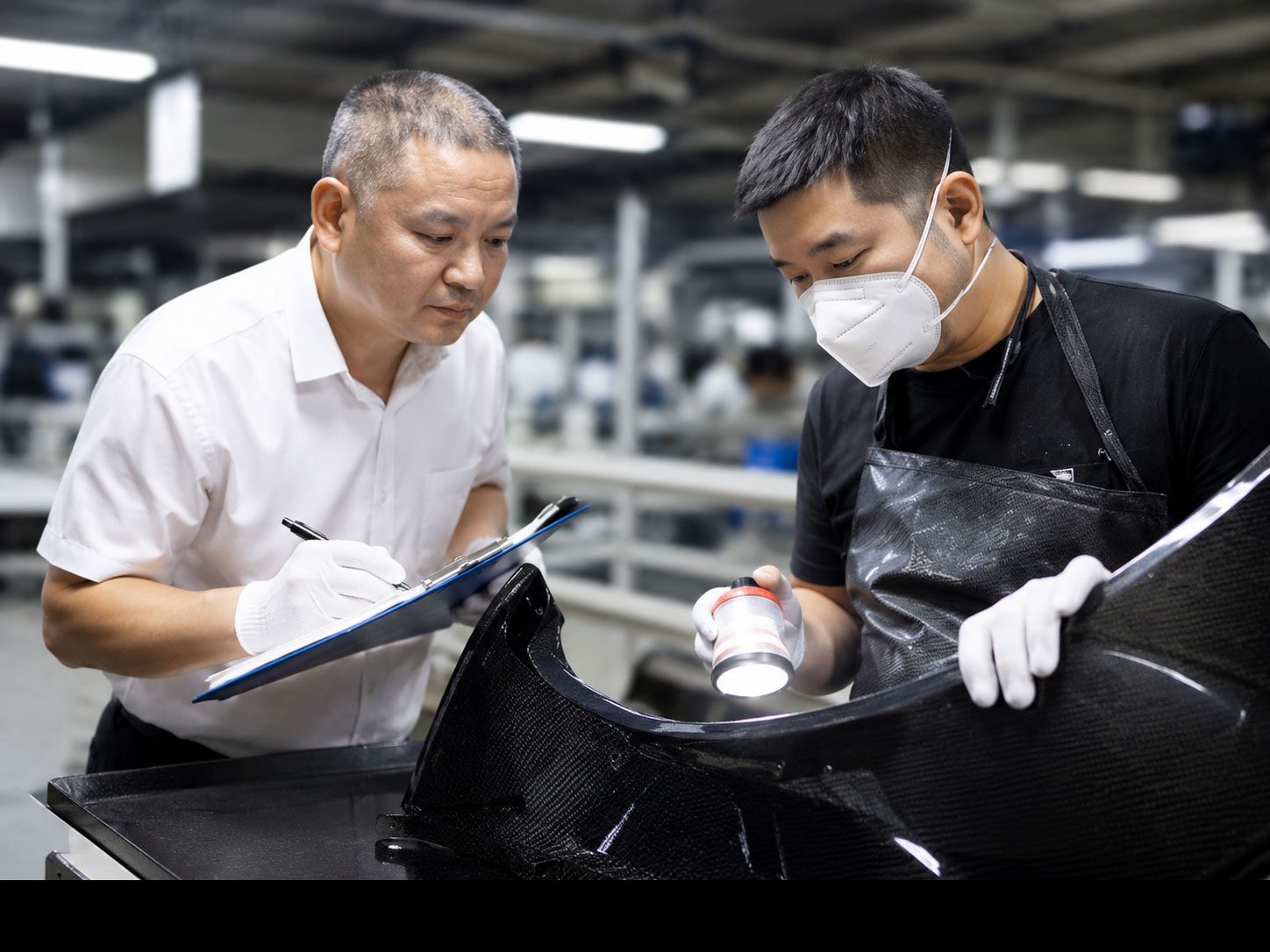
Quality Department
Responsible for final product quality assurance, testing and continuous improvement.
Continuous Improvement
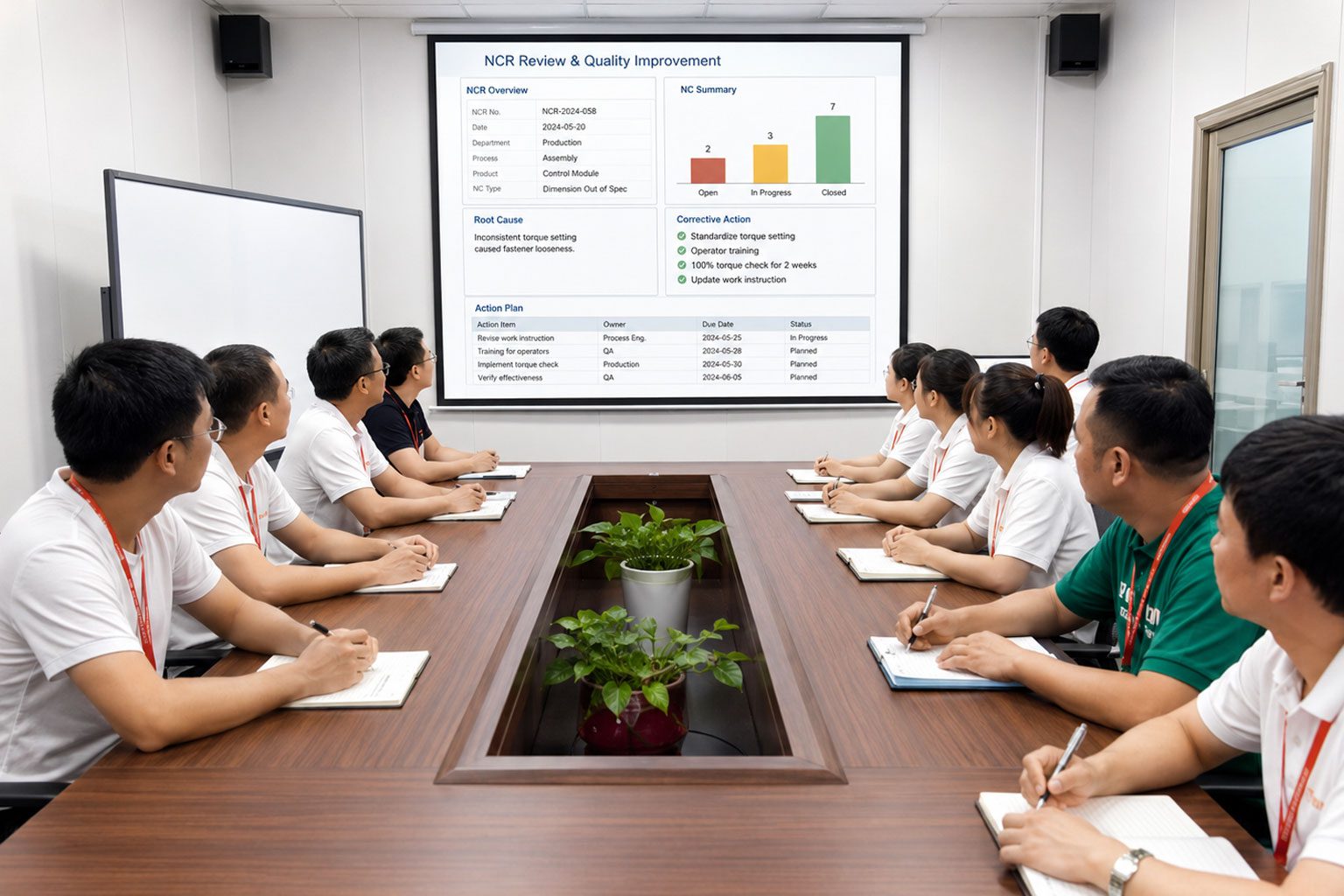
NCR Closed-Loop Quality Improvement
Non-conformance reports and customer feedback are used to trace issues, analyze root causes and improve future production.
Through barcode traceability, quality teams can review the related production batch, process record, inspection status and control point. Corrective actions are then confirmed and synchronized with SOPs, IPQC standards and future production requirements.
Equipment Support
Manufacturing Equipment & Testing Support
Production and testing resources support different carbon fiber processes, product structures and batch requirements. This section should be concise because other capability pages can explain processes in more detail.
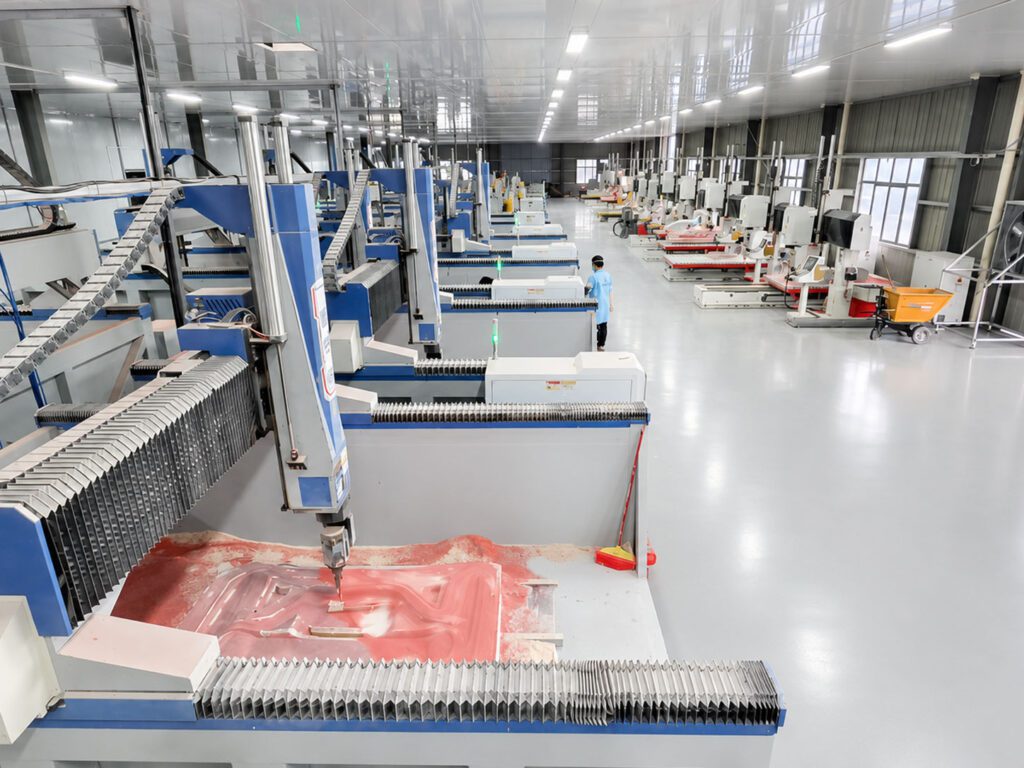
Production Equipment
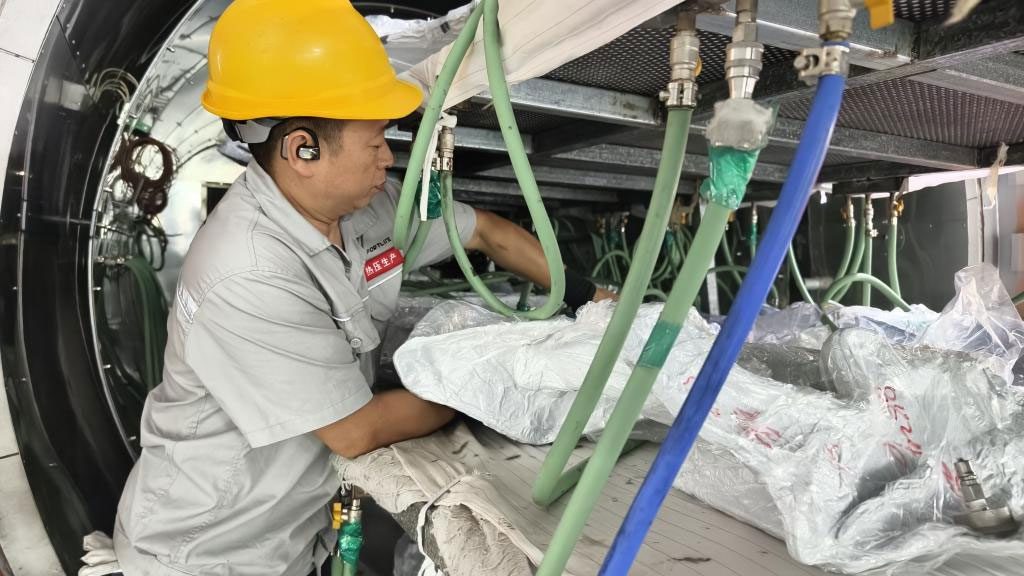
Autoclave production, compression molding, CNC machining, CNC fixtures, surface finishing, assembly and packaging.
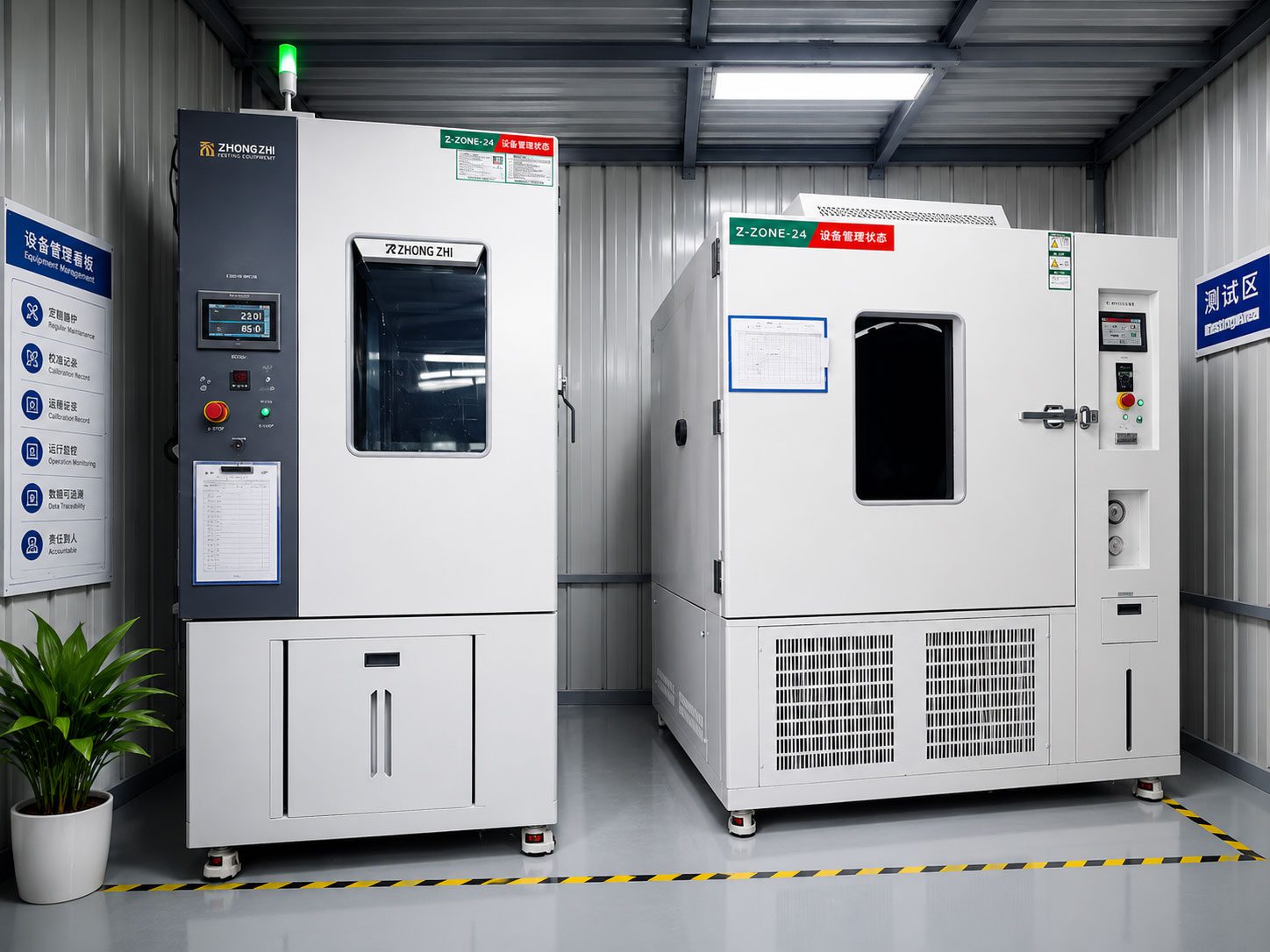
Testing Equipment
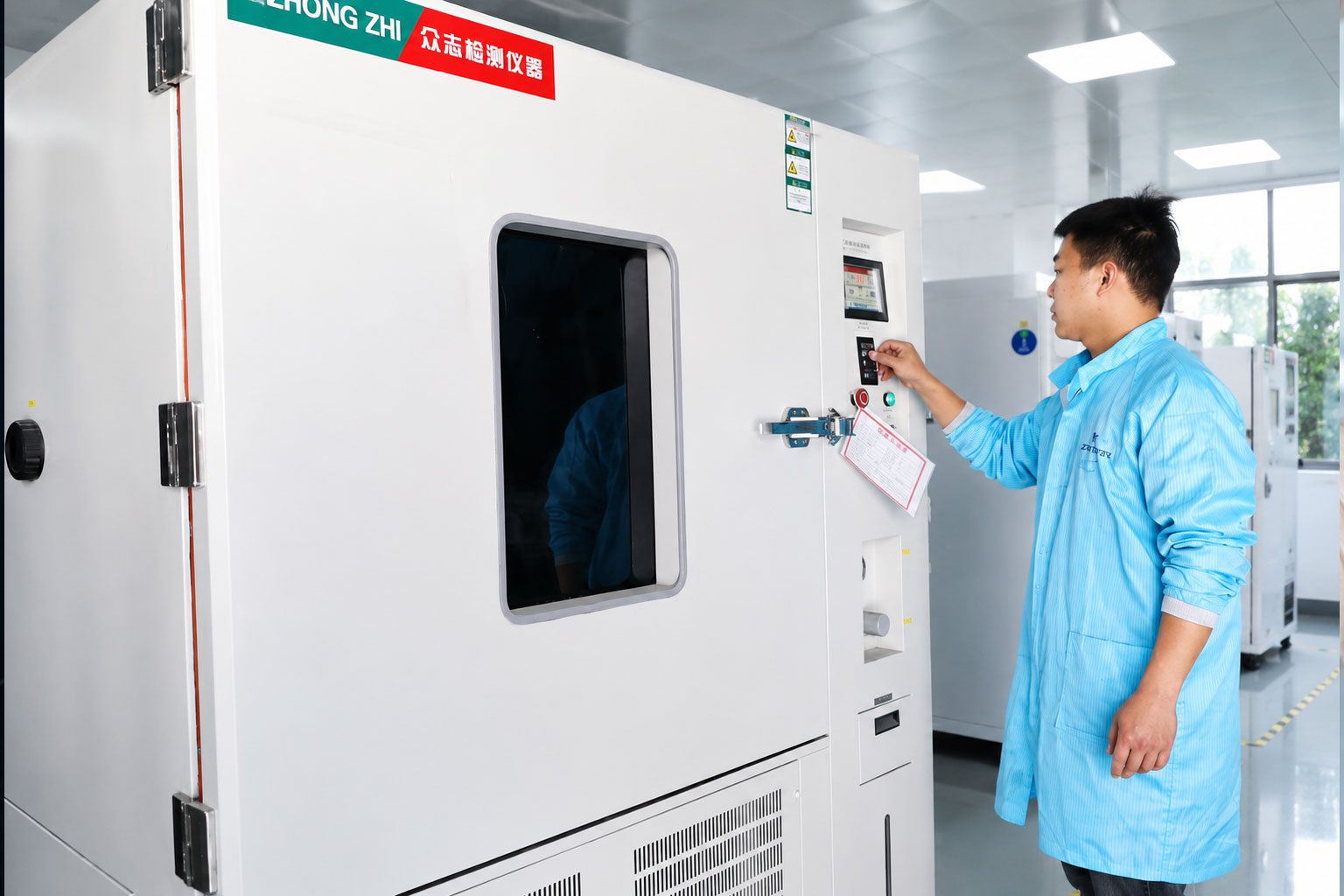
High-low temperature testing, stone impact testing, xenon aging test, salt spray test, tensile testing, adhesion test, gloss measurement and hardness testing.
Batch Management
Warehouse Stock & Batch Management
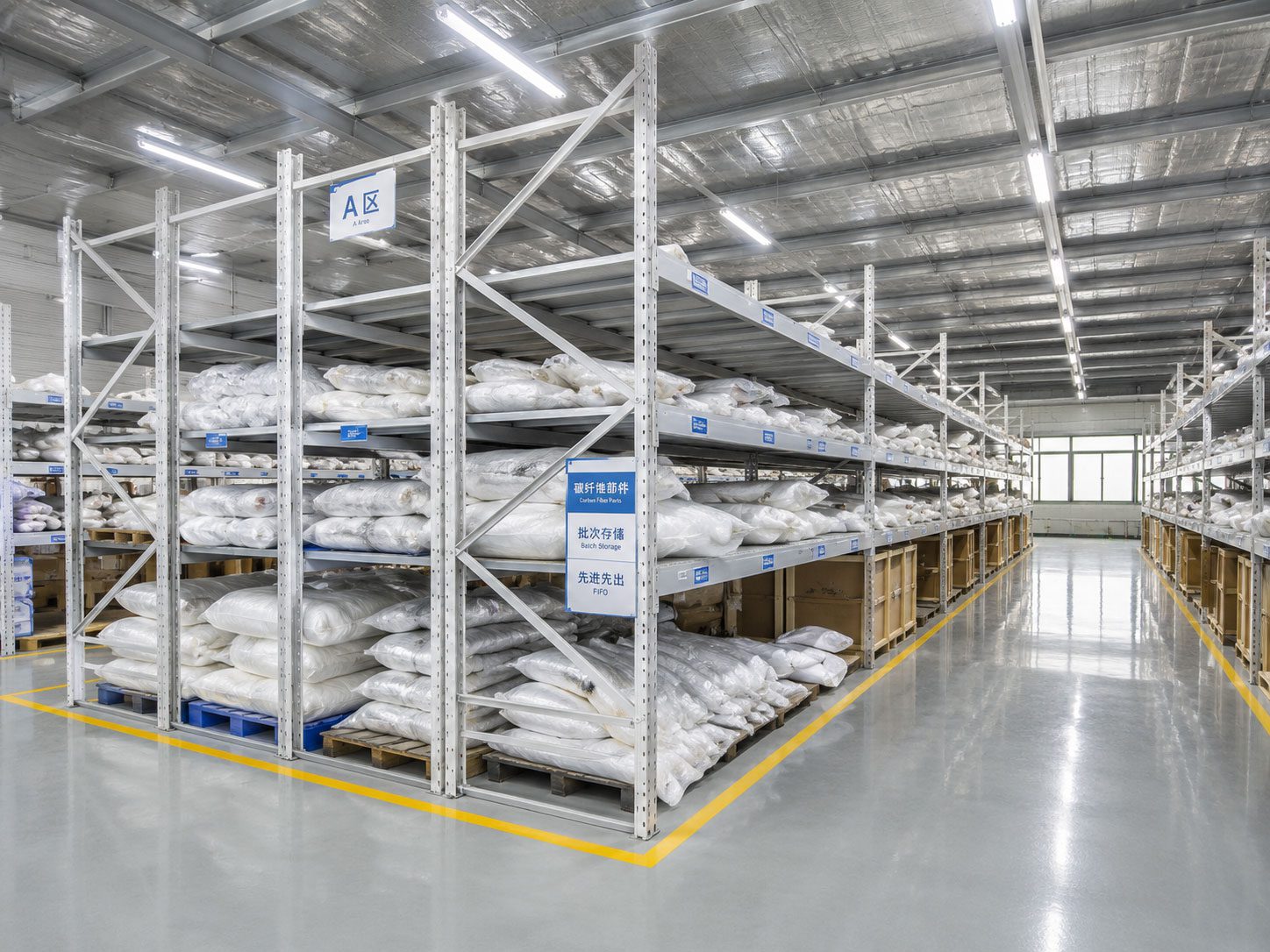
For mass production customers, delivery stability is part of production capability. JCSPORTLINE manages semi-finished goods and finished products through organized warehouse areas to support production flexibility, inventory planning and accurate shipment.
Semi-Finished Goods Warehouse
Semi-finished parts are stored and managed to improve production flexibility and support peak-season demand.
Finished Product Warehouse
Finished products are managed by batch status before shipment to support accurate delivery and after-sales traceability.
Delivery & After-Sales
Global Logistics & After-Sales Traceability
Mass production does not end when products leave the factory. JCSPORTLINE supports global logistics coordination, warehouse management and after-sales feedback tracking for long-term OEM and ODM customers.
When customers report quality feedback, barcode traceability helps connect the feedback with production batches, inspection records and NCR improvement actions.
Global Logistics Coordination
Supports shipment planning for batch orders and repeat deliveries.
Overseas Warehouse Support
Warehouse resources can help improve delivery efficiency for selected markets and long-term cooperation.
After-Sales Traceability
Customer feedback can be linked with barcode records, production batches and inspection data.

OEM / ODM Projects
Built for Long-Term OEM & ODM Carbon Fiber Projects
Our traceable mass production system is suitable for automotive carbon fiber parts and custom carbon fiber product programs that require stable quality and repeatable delivery.
Automotive Body Kits
Carbon fiber bumpers, splitters, diffusers, side skirts and exterior styling programs.
Hoods, Wings & Spoilers
Production control for fitment, surface finish, hole positions and repeatable batch quality.
Interior & Motorcycle Parts
Custom carbon fiber trims and lightweight parts requiring surface consistency and detail control.
Custom Carbon Products
Carbon fiber luggage, cases, sports equipment and customer-defined OEM / ODM projects.
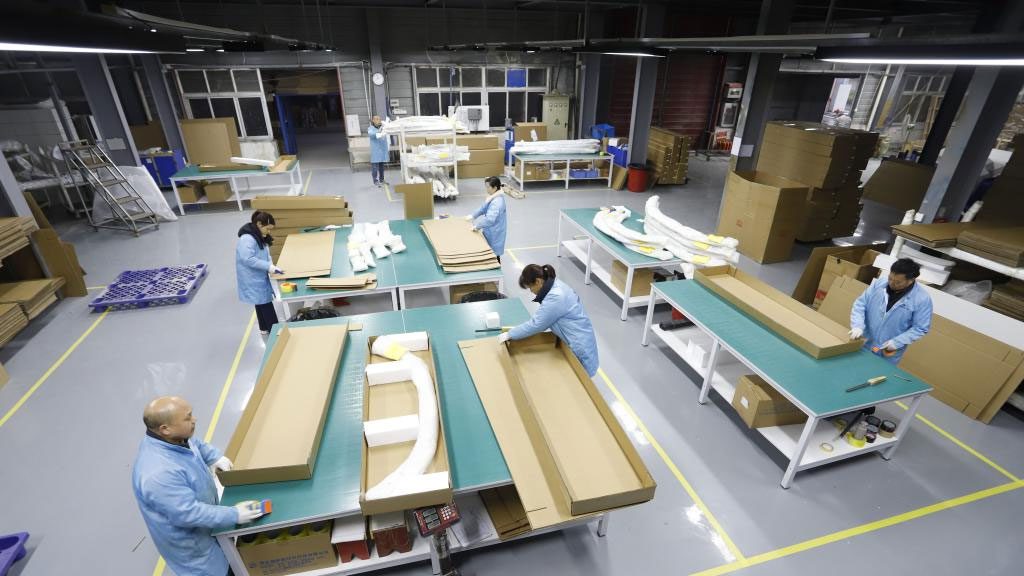
How We Protect Products During Shipping
FAQ
FAQ About Carbon Fiber Mass Production
Can JCSPORTLINE support carbon fiber mass production after prototype approval?
How do you ensure batch consistency for carbon fiber parts?
What is barcode traceability used for?
Do you follow ISO 9001 or IATF 16949 quality management systems?
What is IQC in carbon fiber production?
What is IPQC?
How do you handle customer feedback or quality issues?
Can you support OEM and ODM carbon fiber projects?
Free Technical Evaluation
Ask for a Free Carbon Fiber Project Review
Our engineers will review your concept and provide suggestions on materials, structure, and manufacturability – tailored to your carbon fiber application.
Response within 24 hours by our engineering team
OEM/ODM Support for Mobility Products
NDA and confidential review available on request
Start Your Carbon Fiber Project
Get expert guidance on materials, structure, and feasibility.