We develop and manufacture custom carbon fiber car parts for automotive brands, tuning companies and race teams. From vehicle scanning and engineering to tooling, prototyping and batch production, we support your requirements for fitment, finish and consistent quality.
Start Your ProjectFor automakers, tuning brands and distributors looking for carbon fiber car parts manufacturers, we develop auto parts to your specifications and scale them to your production volumes.
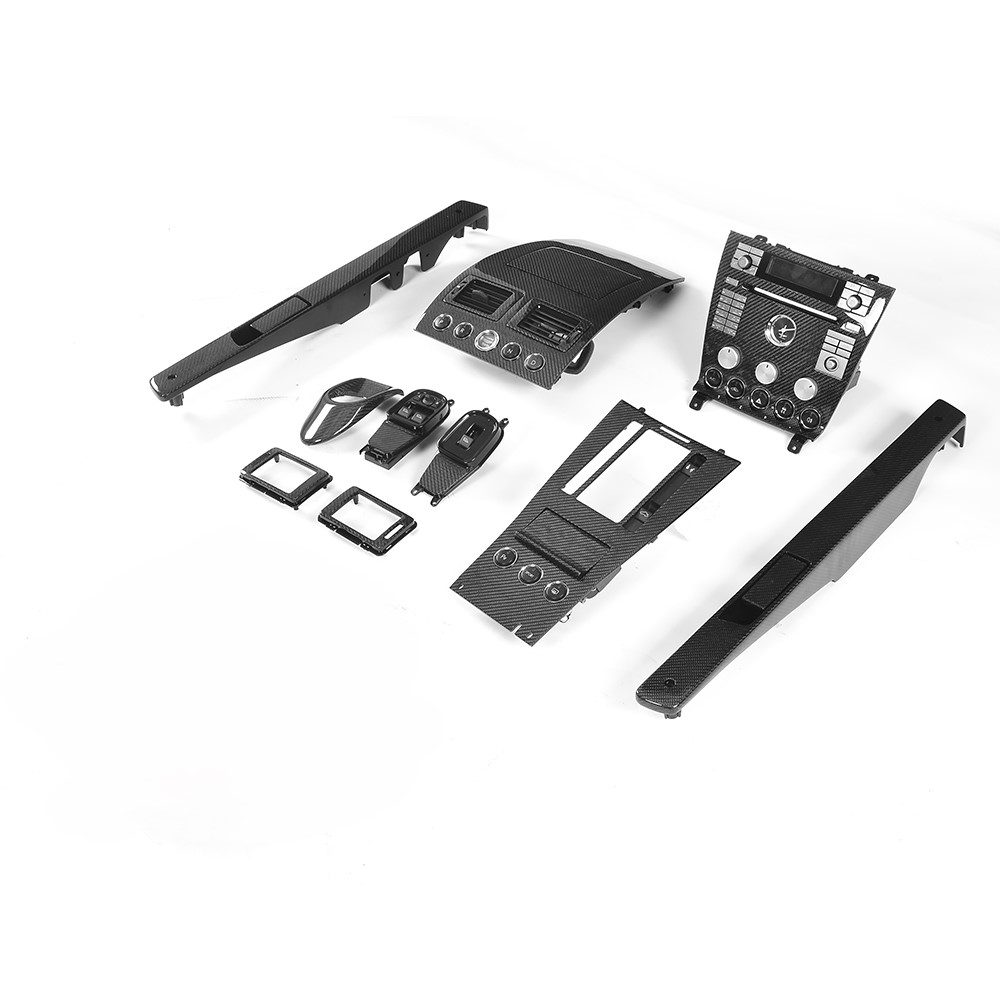
Interior trim, mirror caps and steering wheel trim for sport-trim variants, built to your fitment and quality specs.
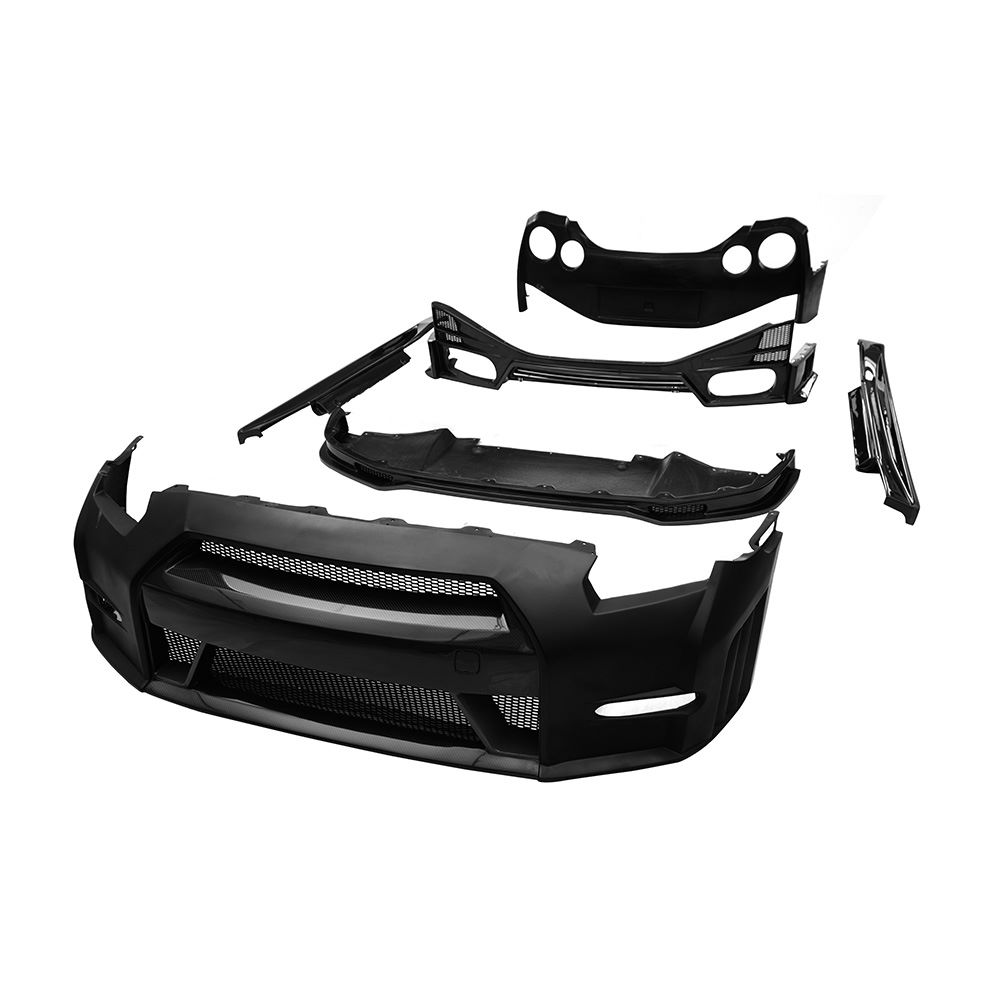
Body kits, hoods and aero parts under your brand, from 3D scan to retail-ready packaging.
Lightweight bodywork, wings and steering wheels, prototyped fast and repeatable across the season.
Stable supply of carbon fiber parts for cars, with consistent batches and DDP shipping options.
Explore exterior, interior and aerodynamic components developed around your vehicle geometry, appearance requirements and production volume. Materials and processes are set in engineering review.
License plate frames, mirror caps, fenders, front lips, body panels and more.
Browse all parts →The same autoclave lines that serve OEM programs build race parts where every gram and every millimeter counts.
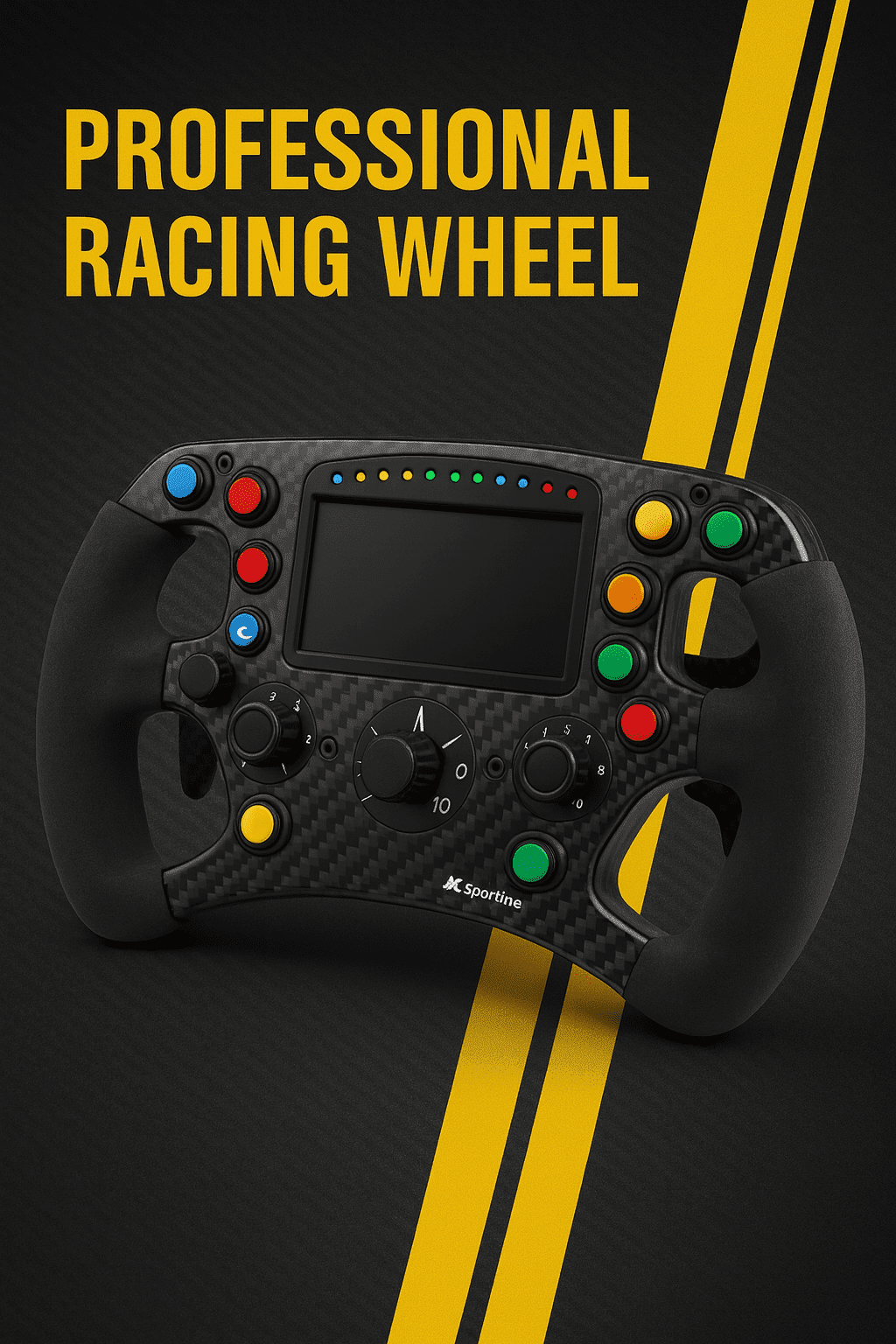
Dry carbon wheel shells built around your electronics, buttons and quick-release hub.
Read the case →
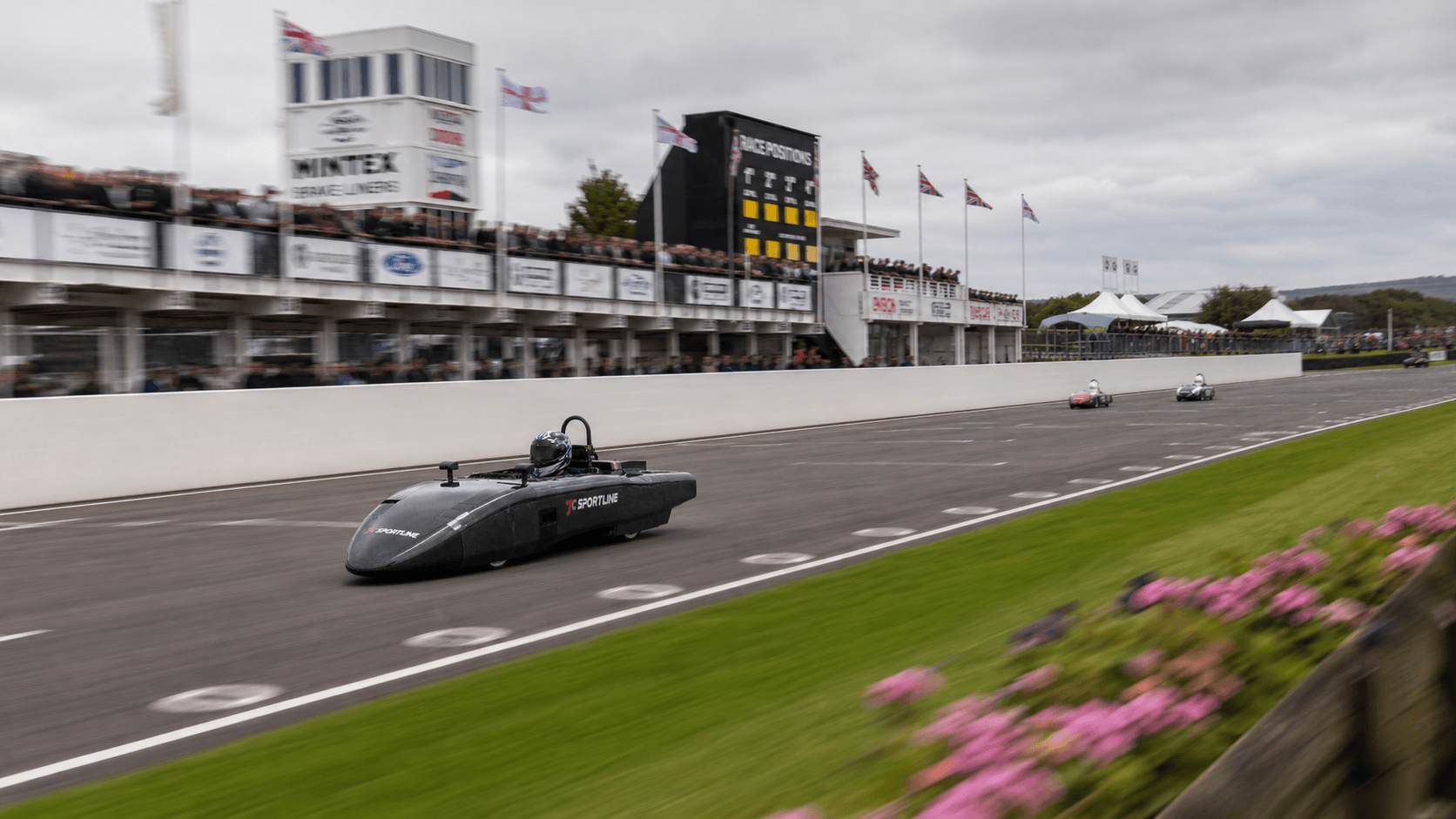
Nose cones, side pods and engine covers molded to tight tolerances for consistent fit.
Read the case →
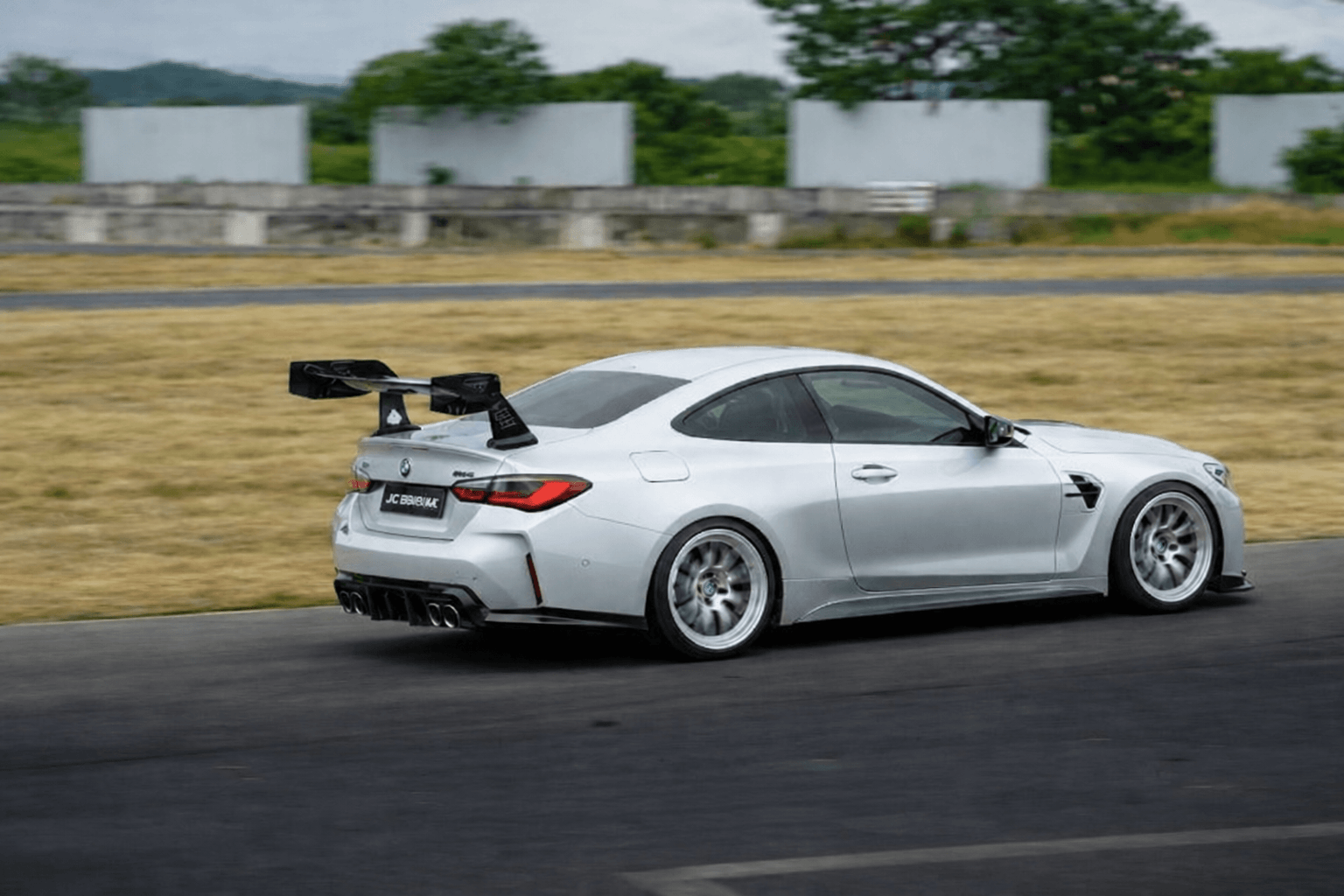
Autoclave-cured wing elements and endplates that hold their shape under downforce.
Read the case →These process recommendations are starting points for engineering review. Final selection depends on part geometry, loading, appearance, production volume and tooling budget.
Suitable for lightweight panels with controlled laminate thickness and visible carbon finishes. Resin selection, reinforcement and curing are defined around dimensional and temperature requirements.
Wing elements and mounting areas are engineered around target loads. Molded-in inserts or bonded mounting assemblies are selected according to the design and validated during development.
Prepreg compression molding supports woven carbon finishes, while chopped-fiber molding offers a distinctive forged appearance. Tooling and material selection depend on geometry, finish and production volume.
Adds a real carbon fiber surface to a suitable existing substrate. Material compatibility, added thickness and assembly clearances are reviewed to retain the required fit and function.
Resin is drawn through a dry carbon fiber lay-up under vacuum. Suitability is reviewed around part geometry, resin flow, surface requirements and production volume.
Internal tooling helps control hollow geometry and internal surfaces. One-piece or bonded construction is selected according to shape, demolding access and operating requirements.
Real projects, from first prototype to delivered production parts.
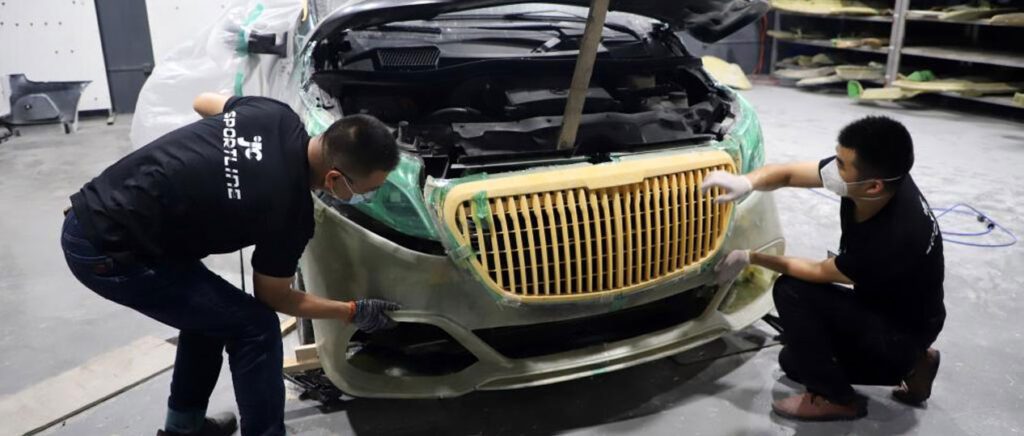
From vehicle scan to validated wet carbon prototype parts.
Read the case →
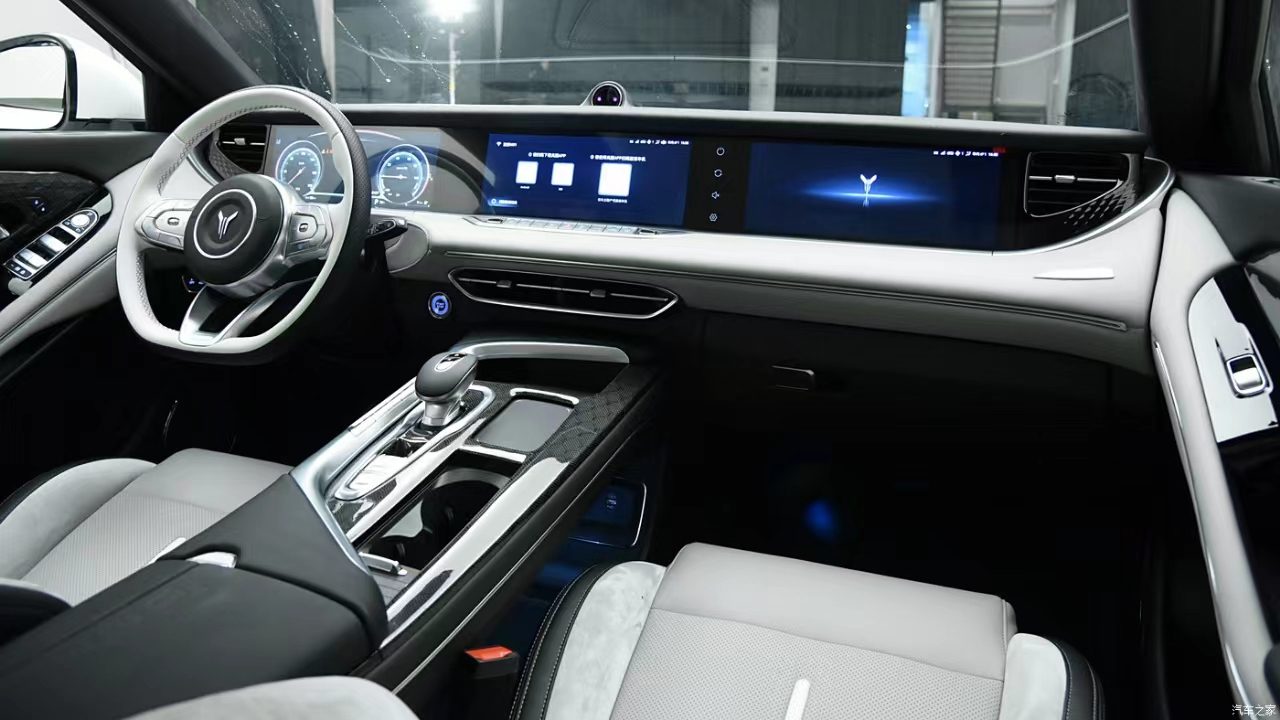
Overlay-bonded carbon trim for a premium EV brand.
Read the case →
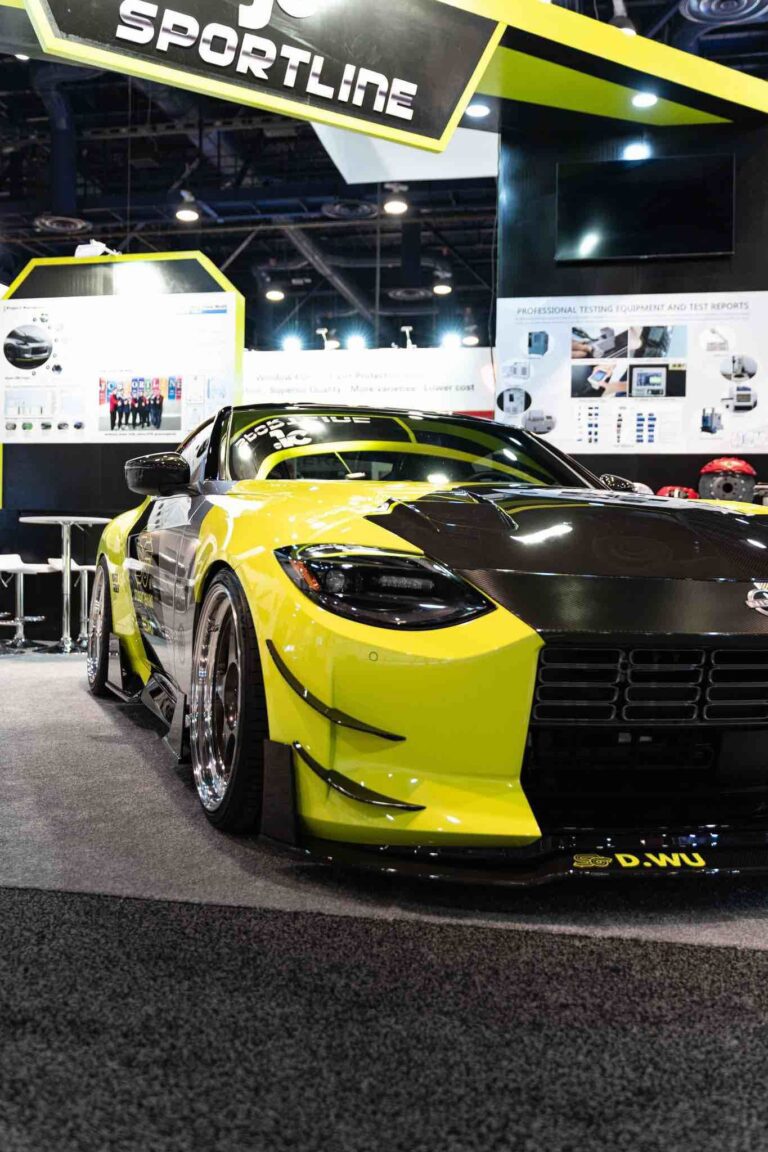
Full aero kit developed for a tuning brand.
Read the case →
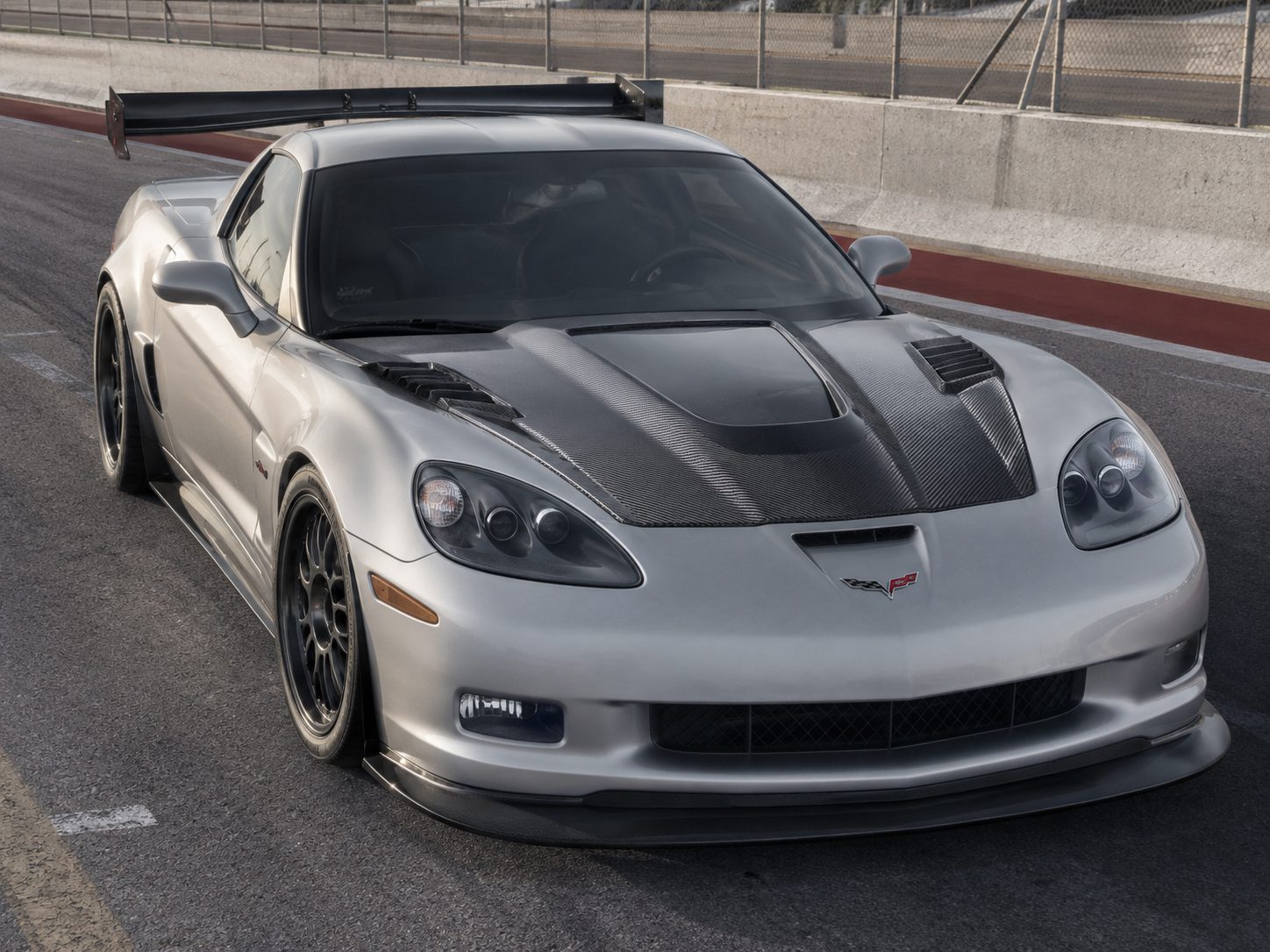
Autoclave hood with OEM-level fit and finish.
Read the case →Four phases, two engineering gates and a documented deliverable at every hand-off — run under IATF 16949.
Quality requirements are defined during development and carried into production. Inspection and testing are agreed around the part’s application, drawing requirements and approved sample.
Drawing-based dimensional checks and vehicle or fixture fitment validation, as agreed.
Approved standards for weave alignment, visible defects, clear coat and color consistency.
Material identification and agreed production records to support batch traceability.
Mechanical, thermal, weathering or other tests selected for the application, with documented acceptance criteria.
The inspection and test scope for each project is confirmed in your quotation and quality plan.
We review part geometry, loads, temperature exposure, appearance, production volume and tooling budget. Options may include prepreg autoclave curing, compression molding, wet lay-up with vacuum bagging, or carbon fiber overlay. Forged carbon generally refers to a chopped-fiber molded construction and appearance. The final route is confirmed during engineering review.
Our reference concept-to-sample workflow is approximately 58 days. The project schedule is confirmed after reviewing your design data, part complexity, tooling needs and approval milestones. Production lead time is quoted separately.
EXW, FOB or DDP options may be quoted according to the destination and shipment requirements. We confirm the agreed responsibilities and delivery terms in your quotation.
Please share the vehicle model and year, part details, CAD files or reference samples, expected order quantity, finish requirements and delivery country. If your design is still at the concept stage, we can begin with an engineering feasibility review.
Share your vehicle model, drawings or reference images, target quantity and finish requirements. Our team will review suitable materials, manufacturing processes and tooling options for your project.
Our engineers will review your concept and provide materials, structure, and feasibility suggestions.