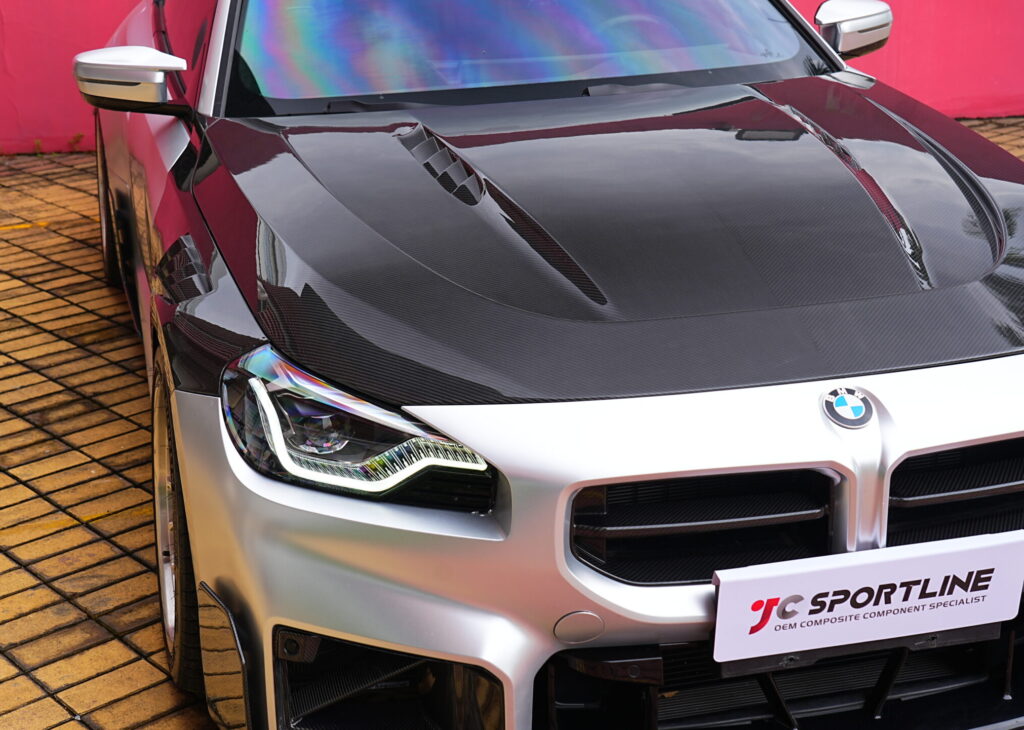
A carbon fiber hood is often chosen by drivers, tuners, and motorsport-focused builders who want a lighter exterior panel, a more technical appearance, and a product that can support a cleaner custom build. Its price, however, is not determined by carbon fiber fabric alone. A well-made hood depends on the fiber, resin system, mold accuracy, curing process, surface finishing, fitment checks, and the experience of the people who build it.
For many buyers, the first question is simple: why can one hood cost much more than another if both are described as carbon fiber? The answer usually comes down to what cannot be judged from a product photo. Weave consistency, resin quality, panel stiffness, edge finishing, mounting points, latch compatibility, UV-resistant coating, and final inspection all influence the real value of the product. A lower-priced hood may look similar at first glance, but the difference often appears during installation, long-term use, or exposure to heat, sunlight, and vibration.
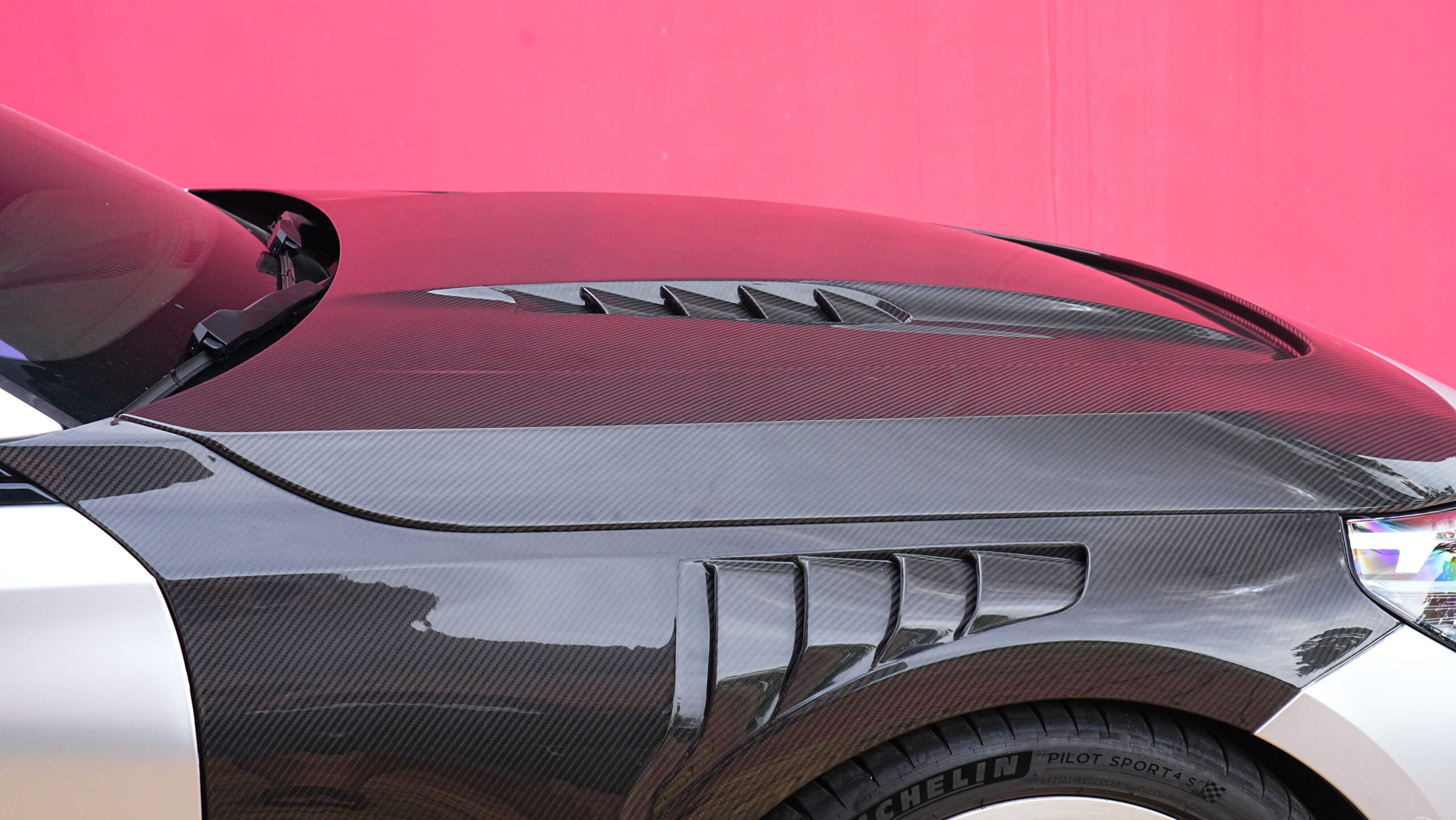
Material Cost Is Only the Starting Point
Carbon fiber is valued because it can be strong, stiff, and lightweight when it is used correctly in a composite structure. In an automotive hood, the fabric itself is only one part of the product. The final result also depends on how the fabric is laid, how the resin bonds the layers, how the panel is cured, and how the surface is protected.
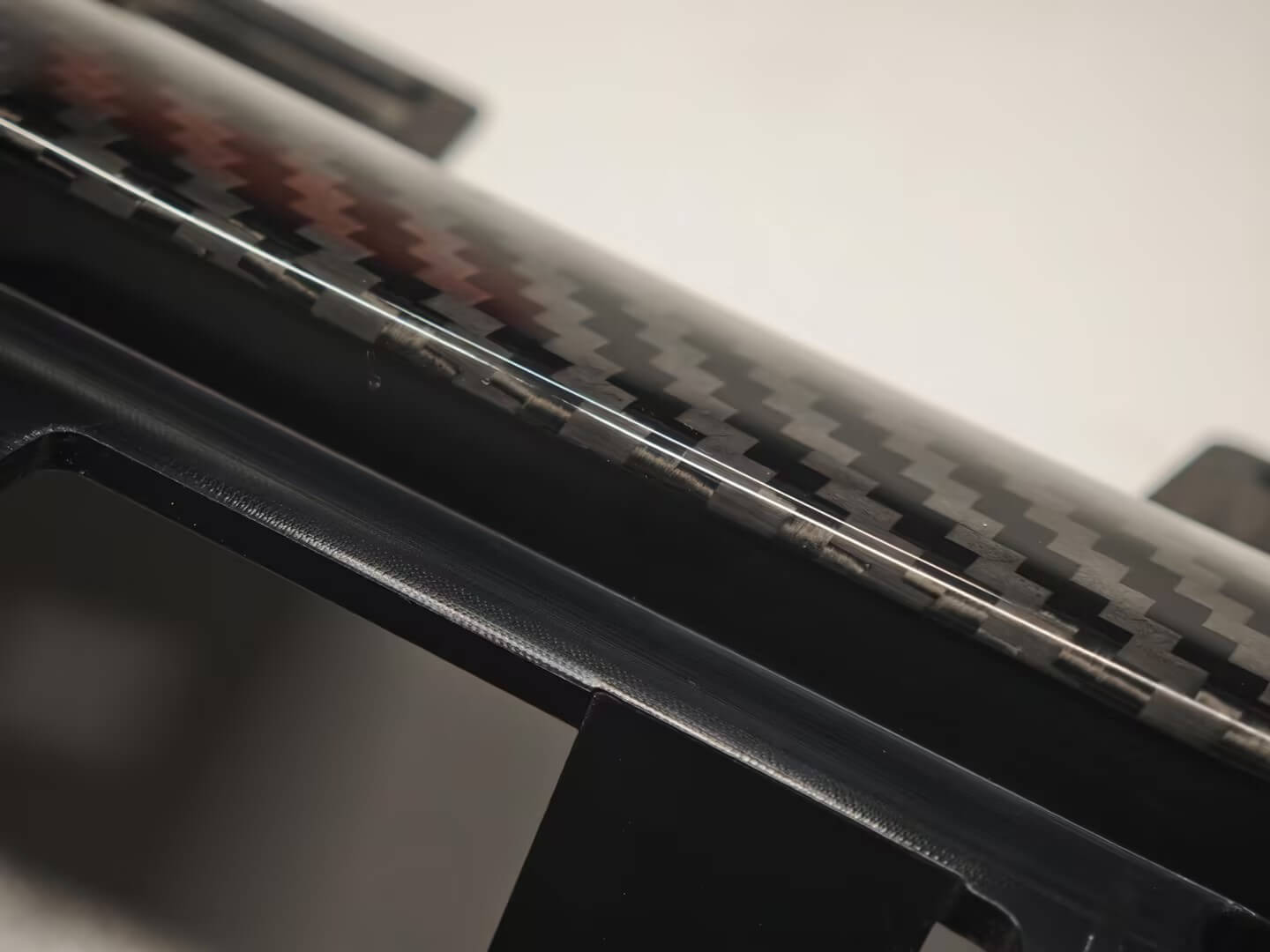
Lower-grade materials may have inconsistent weave alignment, uneven fiber density, or weak resin bonding. These issues can affect surface appearance and may also make the panel more vulnerable to bubbles, white spots, cracking, or delamination over time. Because each vehicle model has its own hood shape, mounting layout, and clearance requirements, material selection must work together with accurate tooling and controlled production.
JCSPORTLINE focuses on carbon fiber fabrics with a clean, uniform visual pattern and resin systems selected for automotive exterior applications. Manufacturers may describe certain resin systems as aerospace-grade, but the practical value for customers comes from controlled curing, stable bonding, surface consistency, and resistance to everyday environmental exposure. A carbon fiber hood used on a street car or show build should not only look premium on delivery; it should also maintain its finish and fit when installed and maintained properly.
Material vs. Craftsmanship: Low Quality vs. High Quality
| Aspect | Low-Quality Carbon Fiber | High-Quality Carbon Fiber (JCSPORTLINE) |
|---|---|---|
| Fiber Density & Weave | Low-density, loose weave | High-density, uniform weave |
| Epoxy Resin Quality | Often industrial-grade, uneven curing | Aerospace-grade resin, precise curing |
| Heat Resistance | Poor heat stability, prone to deformation | Excellent thermal stability, heat resistant |
| Durability | Prone to UV and mechanical stress, shortening lifespan | Long-lasting, maintains appearance and performance |

Precision Molding Affects Fitment
A carbon fiber hood must do more than cover the engine bay. It needs to align with fenders, sit correctly near the bumper and windshield cowl, match the intended body lines, and work with the vehicle’s hinge and latch areas. Even a small tooling error can create visible gaps or extra installation work.
JCSPORTLINE uses CNC-supported mold development for many applications to improve shape accuracy and repeatability. CNC machining helps create more consistent tooling surfaces, which is especially important for complex curves, vents, raised sections, and sharp body lines. When the mold is stable, each hood produced from that mold has a better chance of maintaining consistent dimensions.
Fitment can still vary by vehicle condition, installation method, previous accident repair, aftermarket bumper or fender combinations, and regional model differences. For this reason, a responsible manufacturer should avoid promising universal perfection. A quality hood is designed for accurate fitment, but final alignment should always be checked during installation by a professional or experienced installer.

The Manufacturing Process Takes Time
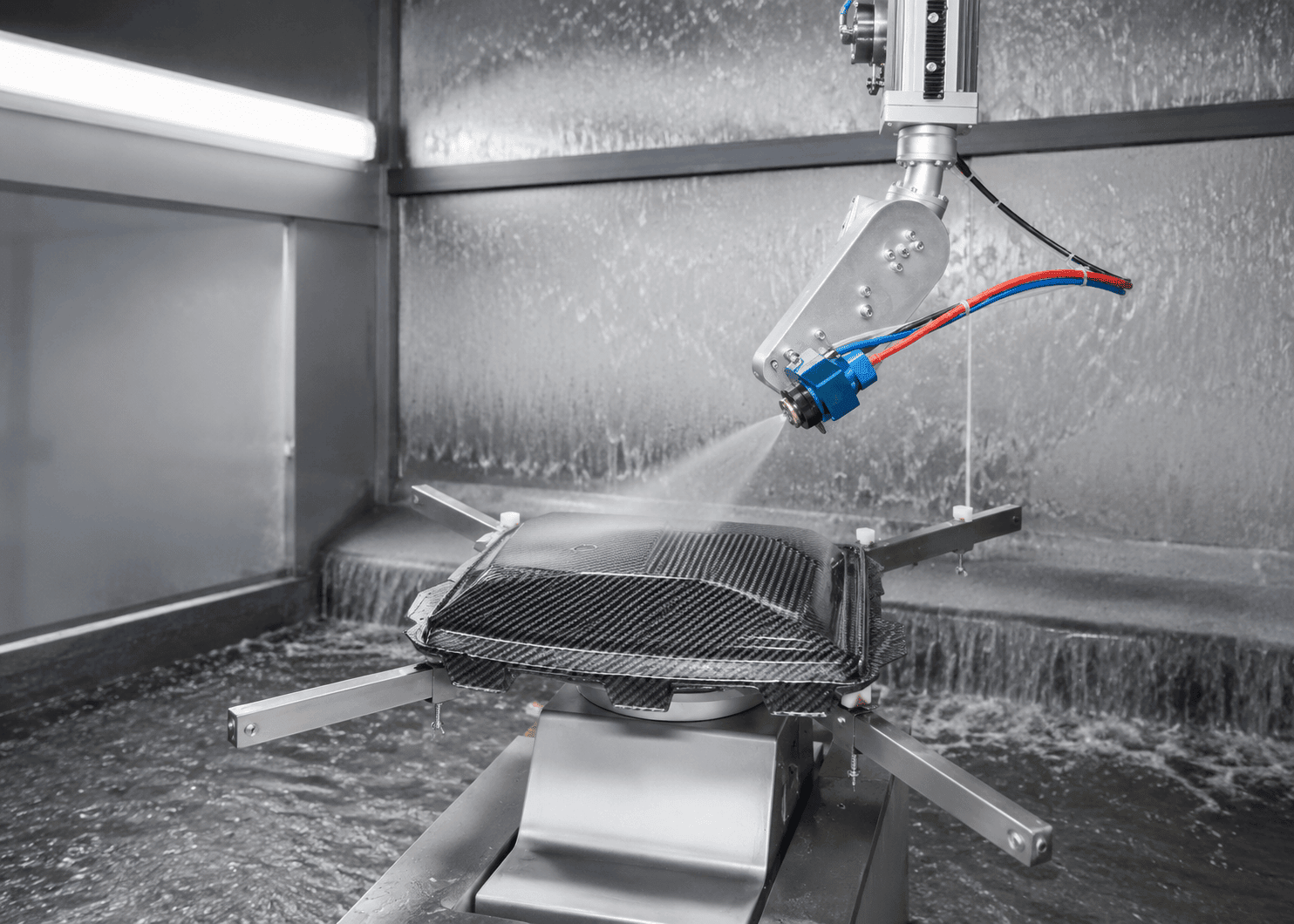
Producing a high-quality carbon fiber hood is a multi-step process. It can include fabric preparation, hand layup, resin application or infusion, curing, trimming, sanding, polishing, coating, and inspection. Each step affects the next one. If the fabric is not positioned correctly, the weave may look distorted. If curing is not controlled, the panel may develop defects. If trimming is rushed, the edges and mounting areas may not meet the expected standard.
Hand layup requires trained technicians to position carbon fiber layers carefully inside the mold. This work influences both the visible appearance and the structural consistency of the hood. Resin infusion or resin application must be controlled so the fibers are properly bonded without excessive resin buildup. Too much resin can add unnecessary weight and reduce visual clarity; too little can weaken the composite structure.
After curing, the hood is trimmed to match the required outline and openings. Mounting points, vent areas, and edges need careful attention because these are the areas most likely to reveal poor workmanship. The surface is then polished and finished with a protective clear coat or paint system. For exposed carbon fiber, the coating is especially important because it protects the weave appearance from sunlight, moisture, and general road exposure.
Experienced Technicians Reduce Production Risk
Composite manufacturing is not fully defined by machines. Skilled technicians still play an important role in layup quality, defect prevention, trimming accuracy, and final finishing. A team with long-term experience is more likely to notice early signs of common problems, such as trapped air, resin-rich areas, inconsistent weave direction, or weak edge finishing.
JCSPORTLINE has long industry experience in carbon fiber automotive parts, and that experience matters because aftermarket exterior components must balance appearance, fitment, and durability. A hood is a large visible panel; small imperfections are easier to notice than they might be on a small trim piece. Careful workmanship helps create a product that looks refined from multiple angles and installs with fewer surprises.
Production Scale Also Influences Price
The cost of a carbon fiber hood is affected by production volume. A custom or small-batch hood often carries higher unit cost because mold development, setup time, manual labor, and inspection work are spread across fewer pieces. A hood for a popular vehicle model may be easier to produce in larger batches, while a rare model, special vent design, or custom surface finish may require more time and closer manual attention.
This is one reason two carbon fiber products can have very different prices even when they appear similar online. A lower-cost option may reduce expense by using simpler tooling, faster finishing, fewer inspection steps, or less consistent materials. A higher-quality option usually reflects more investment in tooling, process control, technician time, and post-production checks.

Quality Management and Inspection
Quality control is essential because customers expect a hood to fit correctly, look clean, and remain stable during normal use. JCSPORTLINE follows quality management practices aligned with ISO 9001 principles, focusing on process control, documentation, inspection, and continuous improvement.
For a carbon fiber hood, practical quality checks may include material review, layup monitoring, curing observation, edge inspection, surface inspection, mounting area checks, and packaging review before shipment. These steps help reduce the risk of visible defects, shipping damage, or installation difficulties. They also make the buying process more predictable for distributors, body shops, and end customers.
Safety, Installation, and Realistic Expectations
A hood is not just a styling panel. It interacts with hinges, latch systems, engine-bay clearance, windshield visibility, and in some markets, road-use inspection rules. Regulations and inspection requirements vary by country, state, and vehicle type. Buyers should confirm local rules before installation, especially when a hood has vents, altered structure, or modified latch hardware.
Professional installation is recommended for best results. The installer should check hinge alignment, latch engagement, panel gaps, clearance under the hood, and whether additional hood pins or safety hardware are appropriate for the intended use. Track cars, high-speed builds, and heavily modified vehicles may require different installation decisions than daily-driven street cars.
It is also important to maintain the surface correctly. Exposed carbon fiber should be cleaned with suitable automotive products and protected from harsh chemicals. Regular inspection of mounting points, latch areas, and coating condition can help extend service life. No manufacturer should guarantee identical results for every car because driving conditions, climate, installation quality, and maintenance habits all affect long-term performance.

Why Buyers Choose JCSPORTLINE
Choosing JCSPORTLINE means choosing a manufacturer that treats a carbon fiber hood as a complete product rather than a simple molded panel. The value is built through material selection, mold accuracy, controlled production, experienced technicians, and inspection before delivery. For distributors and automotive businesses, this consistency can reduce after-sales issues and improve customer confidence.
For individual enthusiasts, the benefit is a hood designed to combine visual appeal with practical usability. The carbon weave, gloss level, panel shape, and fitment details all contribute to the final impression of the vehicle. A well-made hood can support a cleaner build style without relying on exaggerated claims about performance gains.
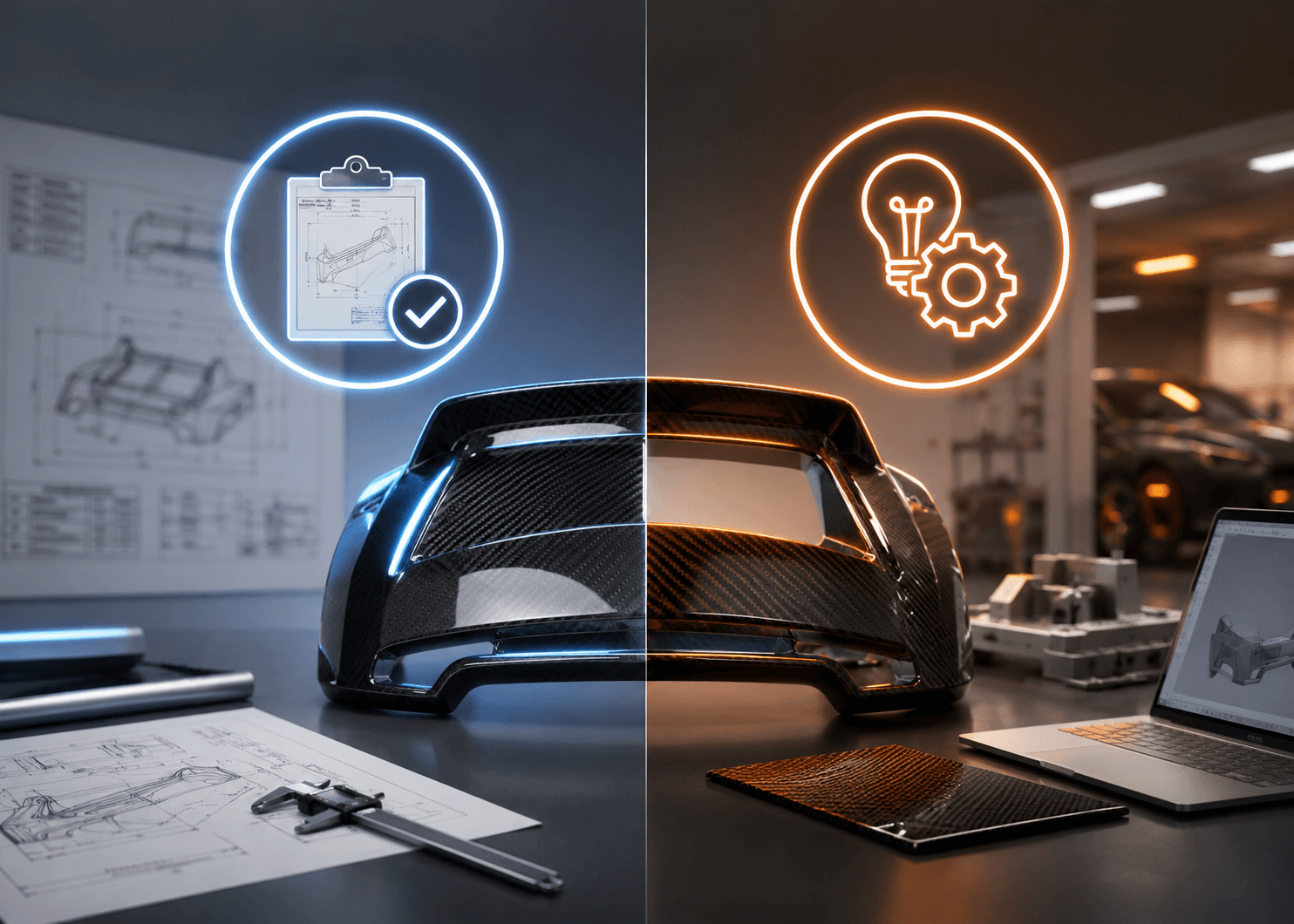
The right carbon fiber hood should be selected based on vehicle model, intended use, installation environment, and finish preference. Price matters, but it should be weighed together with tooling quality, surface protection, fitment support, and manufacturer experience. A lower initial cost is not always better if it leads to extra body-shop labor, premature finish issues, or inconsistent alignment.
For customers like Jake, the investment is not only in the carbon fiber material. It is in the full process behind the product: accurate molds, skilled layup, controlled curing, clean trimming, protective finishing, and quality checks that help the hood arrive ready for professional installation. That is where a quality-focused manufacturer can make a meaningful difference.
To learn more about JCSPORTLINE products, project updates, and customer builds, visit our official Facebook page.