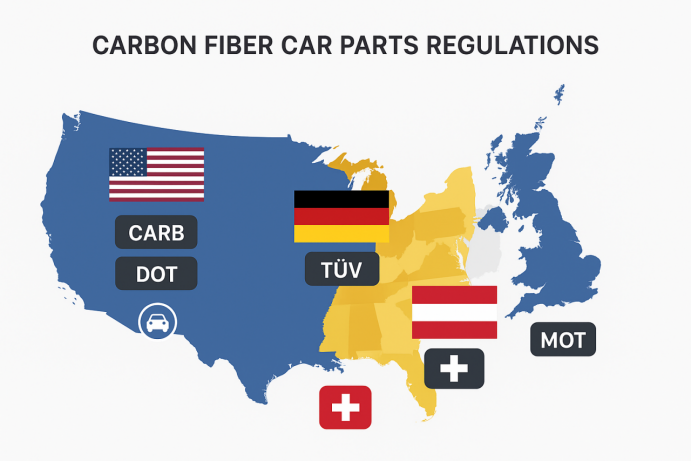
Carbon fiber car parts are widely used on performance, luxury, and motorsport-inspired vehicles, but whether they are street legal depends on the part type, installation method, vehicle application, and local regulations. A carbon fiber hood, spoiler, diffuser, mirror cover, or interior trim may be acceptable in many markets when it does not affect safety systems, lighting visibility, emissions equipment, or required vehicle structure. The same part, however, may need documentation, inspection, or approval in another region.
For car enthusiasts, the question is often simple: “Can I install this carbon part and still drive on public roads?” For B2B buyers, distributors, tuning brands, and OEM/ODM project managers, the question is bigger. A product that is easy to sell online but difficult to certify, inspect, insure, or install correctly can create after-sales problems. Legal suitability is not only a customer concern; it is also a product development and sourcing issue.
Street Legal Does Not Mean the Same Thing Everywhere
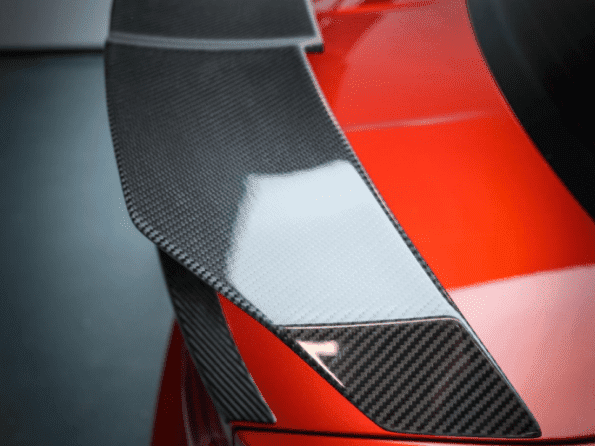
There is no single global rule that makes all carbon fiber automotive parts automatically legal or illegal. Regulations vary by country, state, vehicle category, and part function. A decorative carbon fiber mirror cover is usually treated very differently from a headlamp, air intake, hood with modified latch points, racing seat shell, or aerodynamic wing that changes the vehicle’s exterior dimensions.
In most markets, authorities focus on whether the modification affects road safety, emissions, lighting, visibility, pedestrian protection, insurance classification, or the vehicle’s original compliance status. A part may be made from carbon fiber, fiberglass, aluminum, ABS, or another material; the legal question is usually not the material alone, but what the part changes on the vehicle.
This is why responsible suppliers and buyers avoid simple claims such as “street legal everywhere.” A more accurate approach is to define the vehicle model, target region, intended use, installation method, and documentation requirement before selling the part as road-use ready.
United States: Emissions, Lighting, and Safety Equipment Matter
In the United States, many exterior carbon fiber parts can be used on road vehicles when they do not interfere with emissions systems, required lighting, visibility, crash-related safety equipment, or other regulated vehicle functions. A carbon fiber spoiler, front lip, side skirt, diffuser, or decorative trim may not automatically require emissions approval if it does not affect engine performance or emissions control systems.
California requires extra attention. Aftermarket performance or add-on parts that may affect emissions generally need a California Air Resources Board Executive Order before they can be legally sold or installed for certain emissions-controlled vehicles. This is most relevant to parts such as intakes, exhaust-related components, engine control devices, or other modifications that can influence emissions performance. A purely exterior styling component may not fall into the same category, but buyers should confirm the exact application rather than assume.
Lighting is another sensitive area. Replacement lights, tinted covers, illuminated accessories, or body parts that block required lamps can create compliance problems. A carbon fiber hood or bumper that changes the location, visibility, or operation of required lighting may need additional review. The same applies if a modification interferes with airbags, sensors, cameras, radar modules, pedestrian safety systems, or driver assistance hardware.
For U.S. distributors, product pages should be written carefully. It is safer to describe fitment, material, finish, and intended application than to promise universal street legality. When a part is designed for off-road or track use only, that should be clearly stated.
Europe: Approval Requirements Can Be Stricter
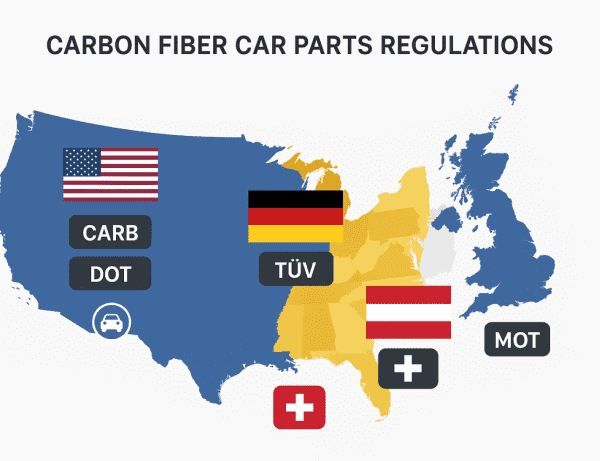
European markets often require more formal documentation for aftermarket vehicle parts, especially when the part changes exterior dimensions, mounting structure, aerodynamics, lighting, or safety-related areas. Germany, Austria, and Switzerland are known for strict inspection culture, and buyers commonly need technical approval, a parts certificate, or inspection support depending on the component and local requirements.
For carbon fiber hoods, wings, splitters, or body kits, the key issues may include fitment, edge safety, mounting strength, material quality, road clearance, and whether the part affects the vehicle’s approved configuration. A component that is acceptable for a show car or motorsport use may not be accepted for everyday public-road use without supporting documentation.
For B2B buyers selling into Europe, the safest sourcing strategy is to identify the target country first. A product line intended for Germany may need different documentation and installation guidance than one intended for a market with less formal inspection requirements. Packaging a product as “EU legal” without confirming the approval path can expose the seller to customer complaints and dealer hesitation.
United Kingdom: MOT and Insurance Should Not Be Ignored
In the United Kingdom, modified vehicles must remain roadworthy and capable of passing the relevant inspection requirements. A carbon fiber hood, spoiler, trim, or body kit should not create sharp edges, unsafe mounting, blocked lights, poor visibility, or structural concerns. If the vehicle has been structurally modified, owners may also need to consider registration, MOT, and insurance implications.
Insurance disclosure is important. Many insurers expect drivers to declare modifications, including cosmetic or bodywork changes. Even if a carbon fiber part does not make the vehicle illegal, an undeclared modification can create problems during a claim. For B2B sellers, this means product communication should encourage customers to check local inspection and insurance requirements before installation.
Which Carbon Fiber Parts Are Usually Lower Risk?
Some carbon fiber parts are generally easier to manage from a road-use perspective because they are cosmetic, non-structural, and do not affect regulated systems. Examples may include mirror covers, interior trim, console panels, decorative exterior trim, and some spoiler designs when they fit correctly and do not obstruct lights or visibility.
Moderate-risk parts include front lips, side skirts, diffusers, fenders, wheel covers, and larger spoilers. These components may affect ground clearance, airflow, mounting points, or exterior dimensions. They should be designed with proper fitment, safe edges, and vehicle-specific installation in mind.
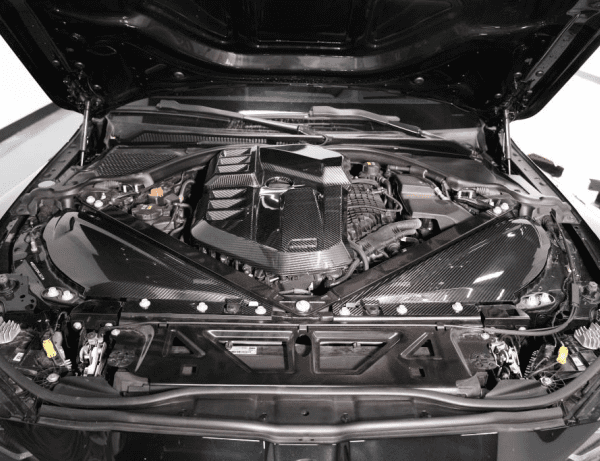
Higher-risk parts include hoods, bumpers, structural panels, lighting-related parts, air intake systems, steering wheels, racing seats, and parts that interact with sensors or safety systems. These may require stricter review because they can affect latch performance, crash behavior, airbag function, visibility, emissions, or driver control.
Why Manufacturing Quality Affects Legal and Inspection Risk
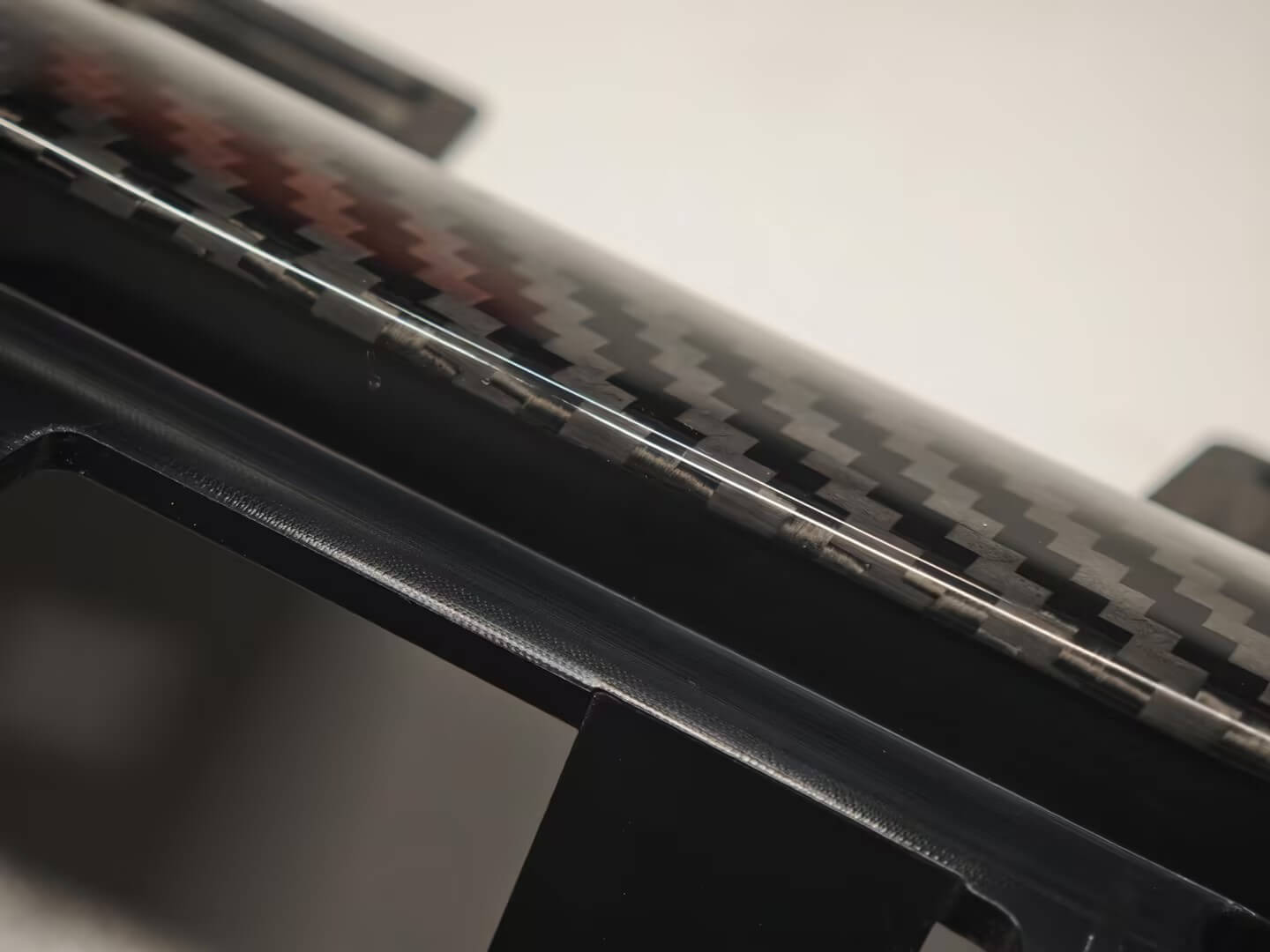
Street legality is not only about paperwork. Poor manufacturing can create practical inspection problems. A hood that does not latch correctly, a spoiler that vibrates, a diffuser with weak mounting, or a bumper that blocks lighting can raise safety concerns even if the material itself is high quality.
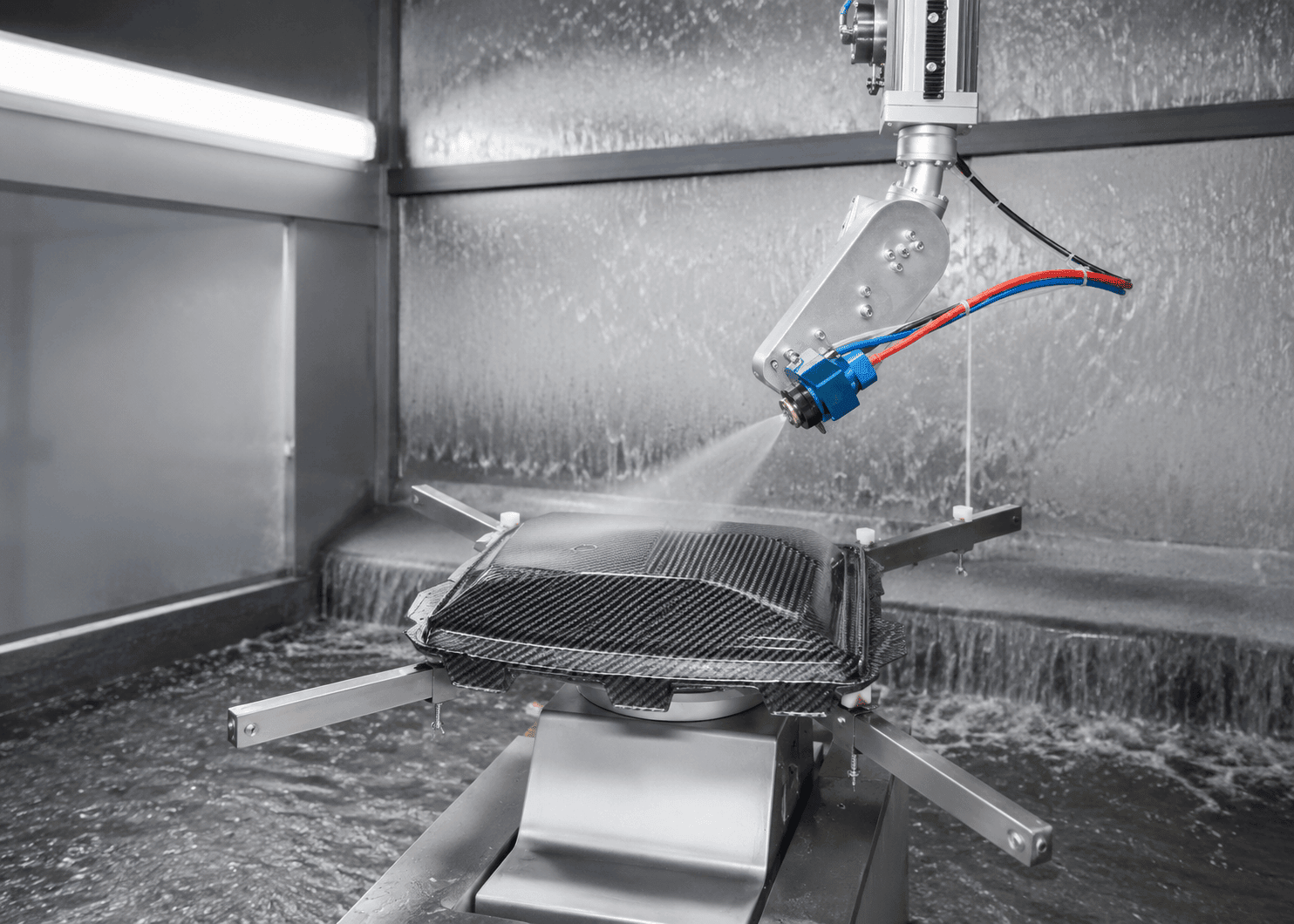
For this reason, carbon fiber car parts should be developed with fitment, structure, and consistency in mind. JCSPORTLINE’s automotive carbon fiber manufacturing page highlights OEM and ODM support for interior and exterior automotive parts, including body kits, hoods, diffusers, side skirts, spoilers, wings, fenders, trims, and lightweight components. It also presents manufacturing capabilities such as autoclave curing, complex one-piece molding, smooth inner wall design for functional parts, and embedded metal component molding for improved structural reliability.
These capabilities matter because many carbon parts fail commercially not because buyers dislike carbon fiber, but because the finished part creates installation uncertainty. For distributors and brands, repeatable fitment is part of compliance risk management. If every unit requires trimming, drilling, or adjustment, the chance of improper installation increases.
What B2B Buyers Should Confirm Before Sourcing
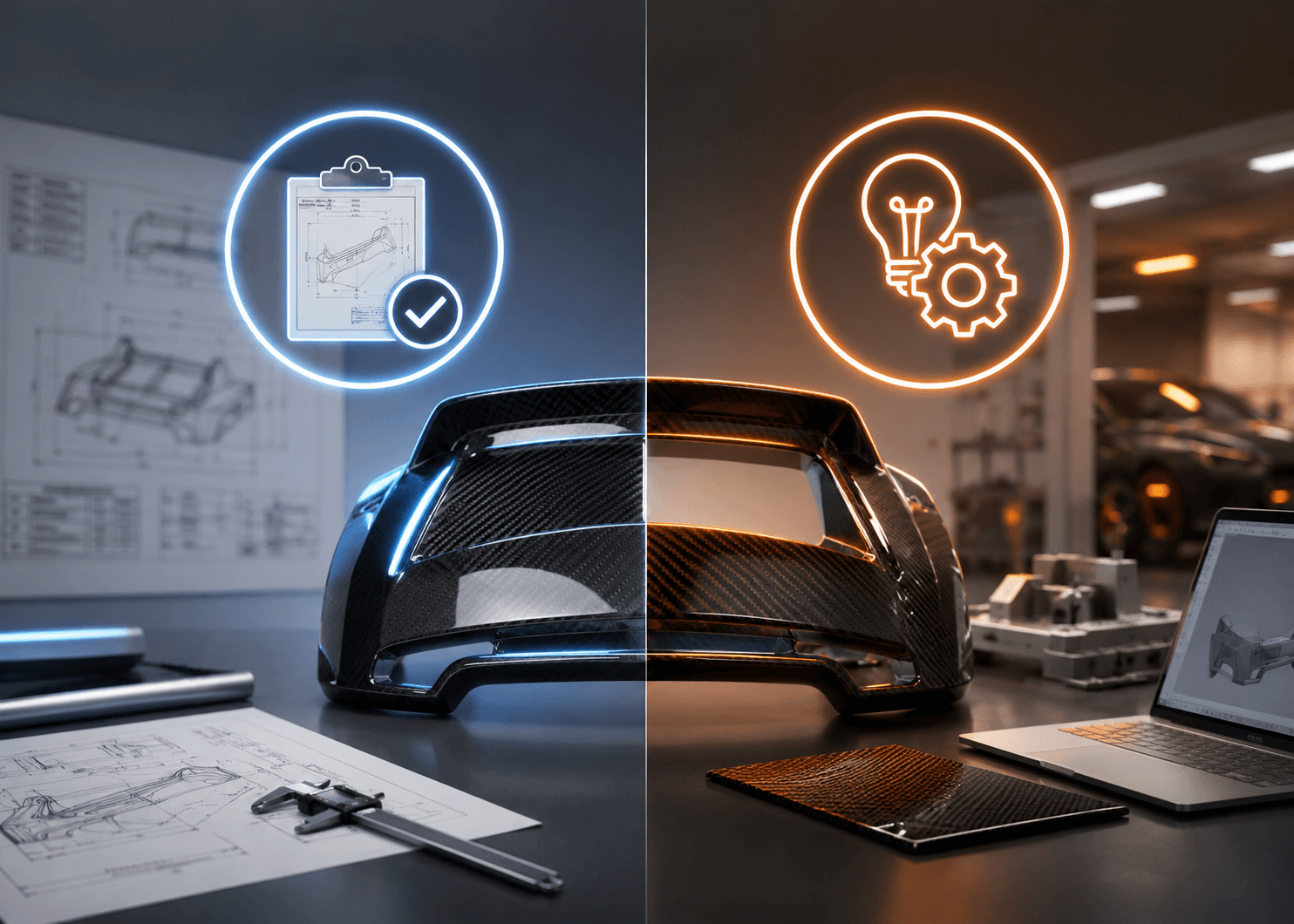
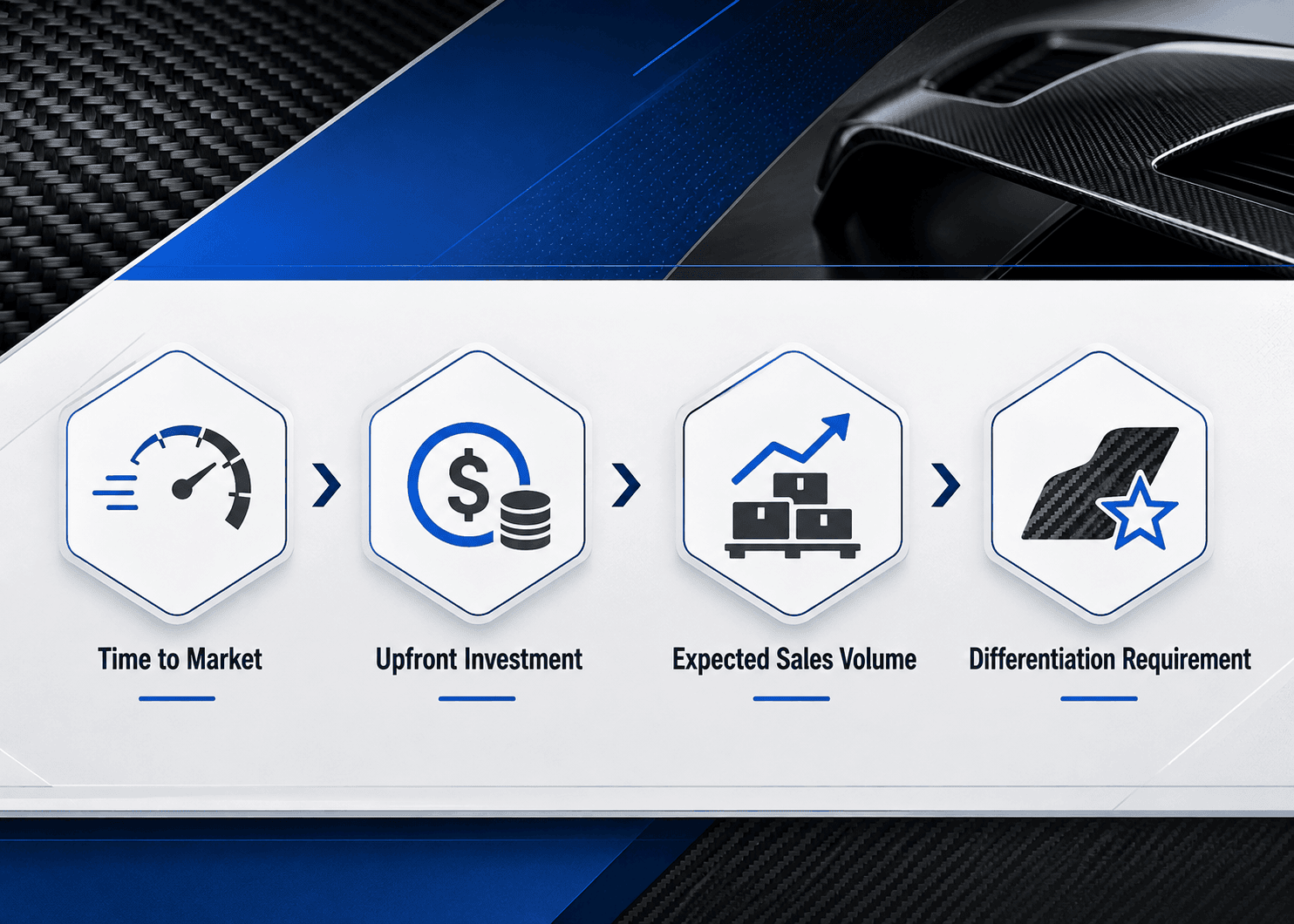
Before launching a carbon fiber parts program, buyers should define the target vehicle model, market region, sales channel, intended use, and installation environment. A part for track-day customers may be positioned differently from a part for daily road vehicles. A product sold in North America may need different wording and documentation than one sold in Germany or the UK.
The supplier should be able to discuss material selection, tooling, mounting points, surface finish, packaging, sample review, and batch inspection. For exterior aero parts, fitment data and test installation are especially important. For functional parts, buyers should ask how the part interacts with airflow, heat, vibration, and nearby vehicle systems.
Clear product labeling also matters. Terms such as “track use,” “off-road use,” “show use,” “direct replacement,” “vehicle-specific,” and “professional installation recommended” should be used accurately. Overstating compliance can create more risk than it solves.

Where JCSPORTLINE Fits Into Carbon Fiber Automotive Projects
JCSPORTLINE supports automotive carbon fiber projects for performance vehicles, luxury vehicles, distributors, tuning brands, and OEM/ODM customers. The company’s carbon fiber automotive bodykits and OEM/ODM manufacturing page describes support from design and tooling through production, with product categories covering exterior aero, lightweight components, and interior carbon fiber parts.
For buyers developing carbon fiber hoods, spoilers, body kits, diffusers, trims, or interior components, the main value is not simply access to carbon material. It is the ability to turn a vehicle-specific concept into a manufacturable part with controlled appearance, fitment, and production consistency. This is especially important for companies that need repeat orders, private-label products, or platform-based carbon programs.
JCSPORTLINE can also support discussions around material options, surface finish, tooling route, production volume, and project feasibility. Legal use still depends on the target market and installation context, but better manufacturing control gives buyers a stronger foundation for inspection, customer satisfaction, and long-term product positioning.
Practical Advice for Enthusiasts and Professional Buyers
For individual car owners, the safest approach is to check local rules before installation, choose vehicle-specific parts, use professional installation when needed, and inform the insurer about modifications. A carbon fiber upgrade should improve the vehicle experience, not create inspection or claim problems.
For B2B buyers, the best approach is to treat street-use suitability as part of product planning. Ask whether the part affects emissions, lighting, visibility, safety equipment, mounting structure, or exterior dimensions. Confirm whether documentation is needed in the target market. Make sure product descriptions do not promise more than the part can support.
Carbon fiber car parts can be a strong product category for performance and premium automotive markets. They offer lightweight construction, high-end appearance, and strong brand value when designed and manufactured correctly. The parts most likely to succeed are not only the ones that look good in photos, but the ones that fit properly, are described accurately, and are sold with realistic guidance for the intended market.
With over 20 years of experience in carbon fiber car parts, JCSPORTLINE has mastered both production quality and industry standards. From designing lightweight hoods and spoilers to ensuring every part meets street-legal requirements, we know what it takes to deliver safe, durable, and compliant carbon fiber upgrades.
Whether you’re upgrading your own car or sourcing parts for your business, we can provide the best solution tailored to your needs. Trust the experts who have been shaping the carbon fiber industry for two decades.