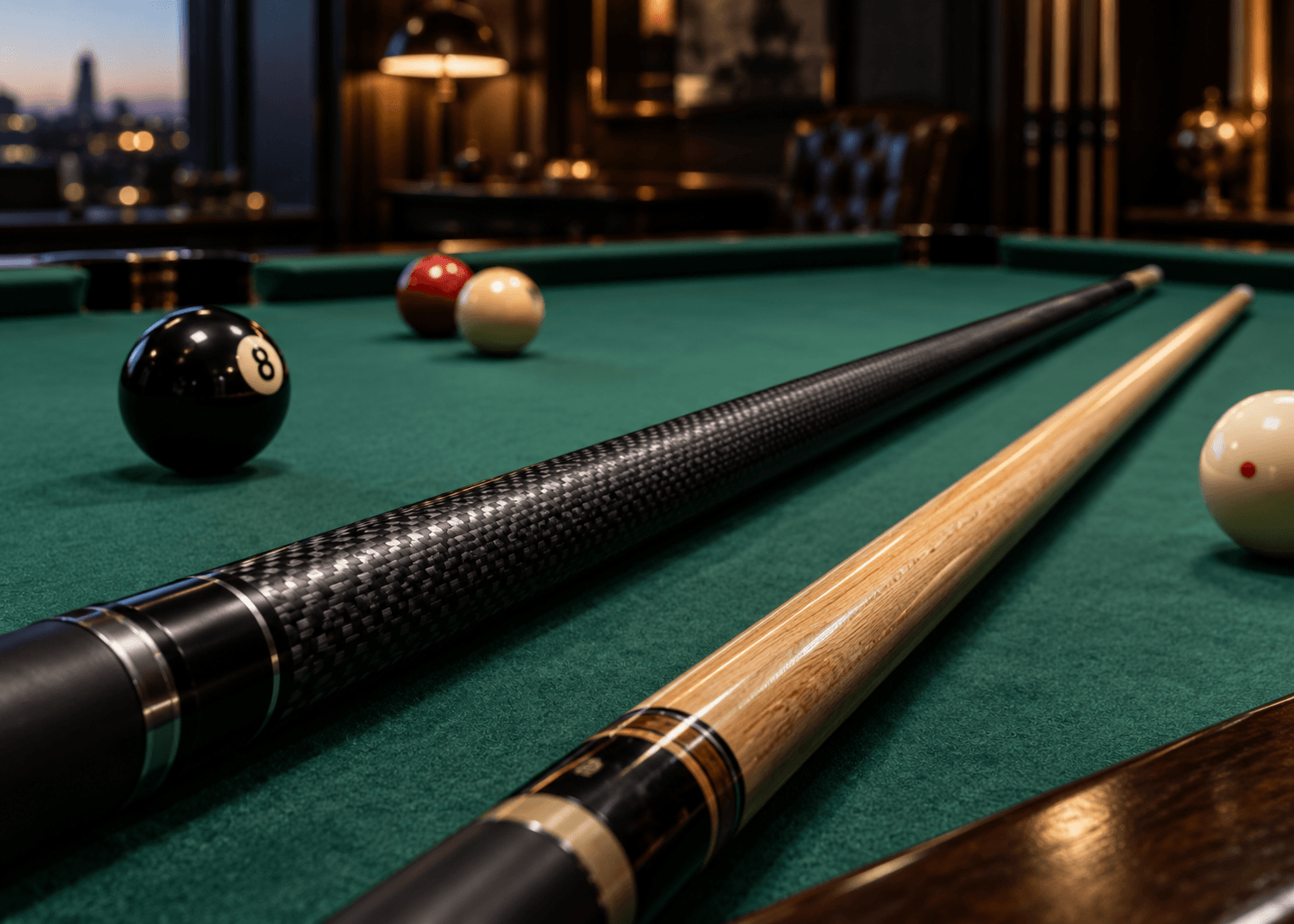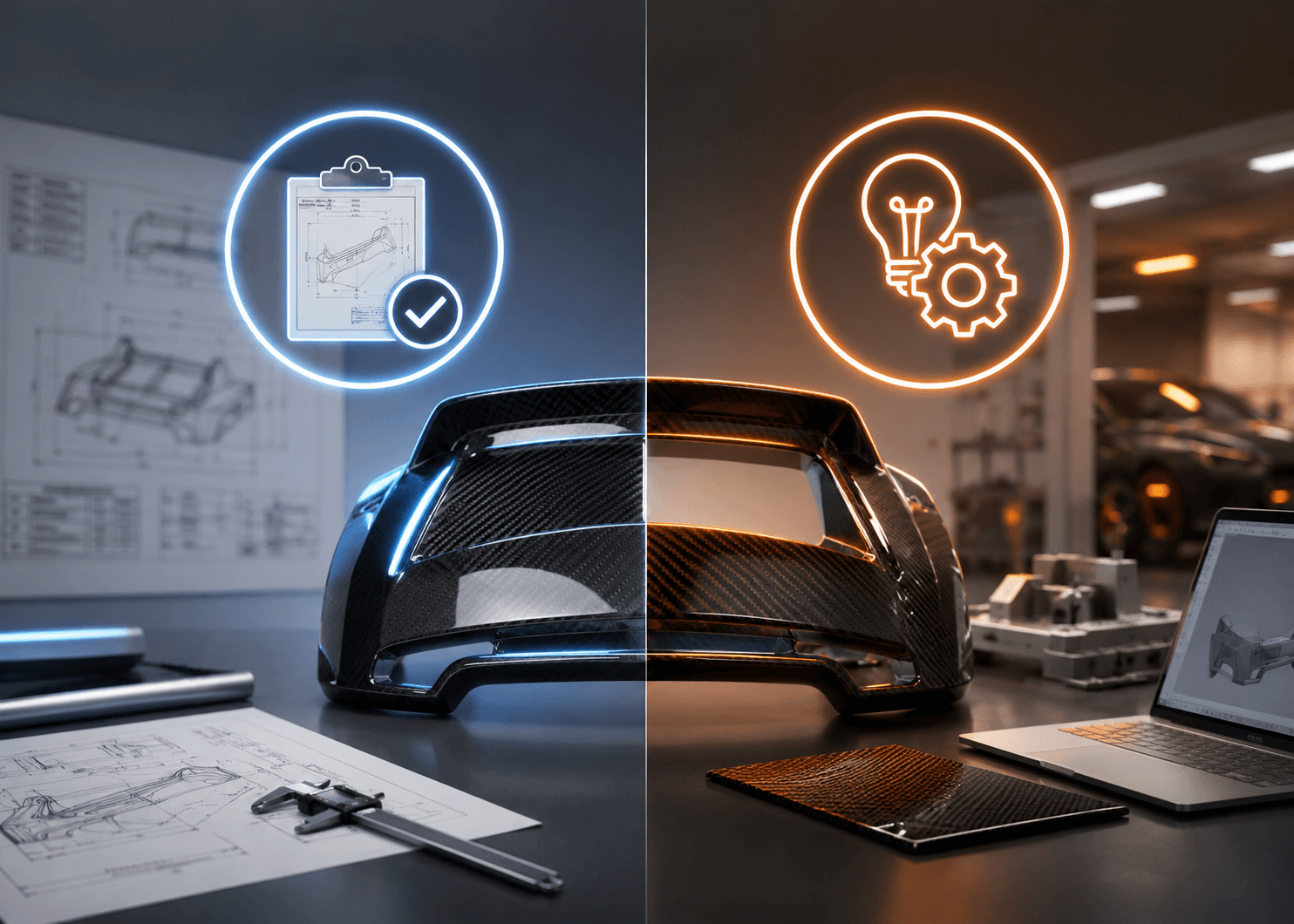
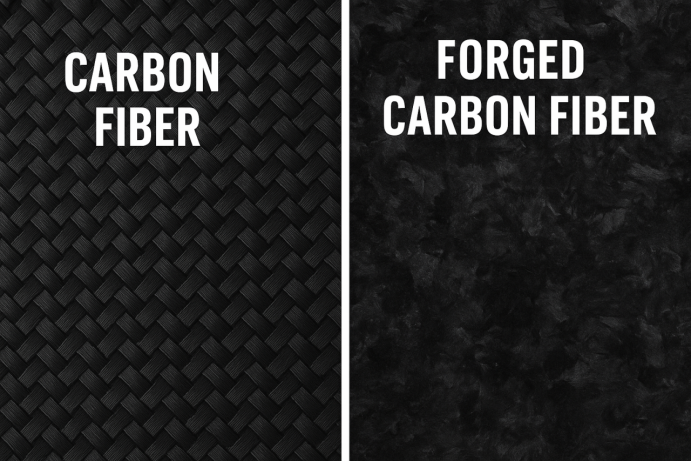
Forged Carbon Fiber vs. Regular Carbon Fiber is not only a comparison of surface patterns. Both materials belong to the carbon fiber composite family, but they differ in fiber form, molding process, visual identity, mechanical behavior, cost structure, and suitable applications. For procurement teams, product managers, R&D engineers, tuning brands, OEM/ODM buyers, and distributors, the right choice depends on what the part needs to do, how it will be manufactured, and how the finished product will be positioned in the market.
Many customers first recognize carbon fiber by its black woven texture. That classic appearance is only one version of carbon fiber composite. Forged carbon fiber uses a different material format and molding route, creating a random, marbled surface that looks more like black stone than woven fabric. The visual difference is obvious, but the technical decision should go deeper than appearance.
What Is Regular Carbon Fiber?
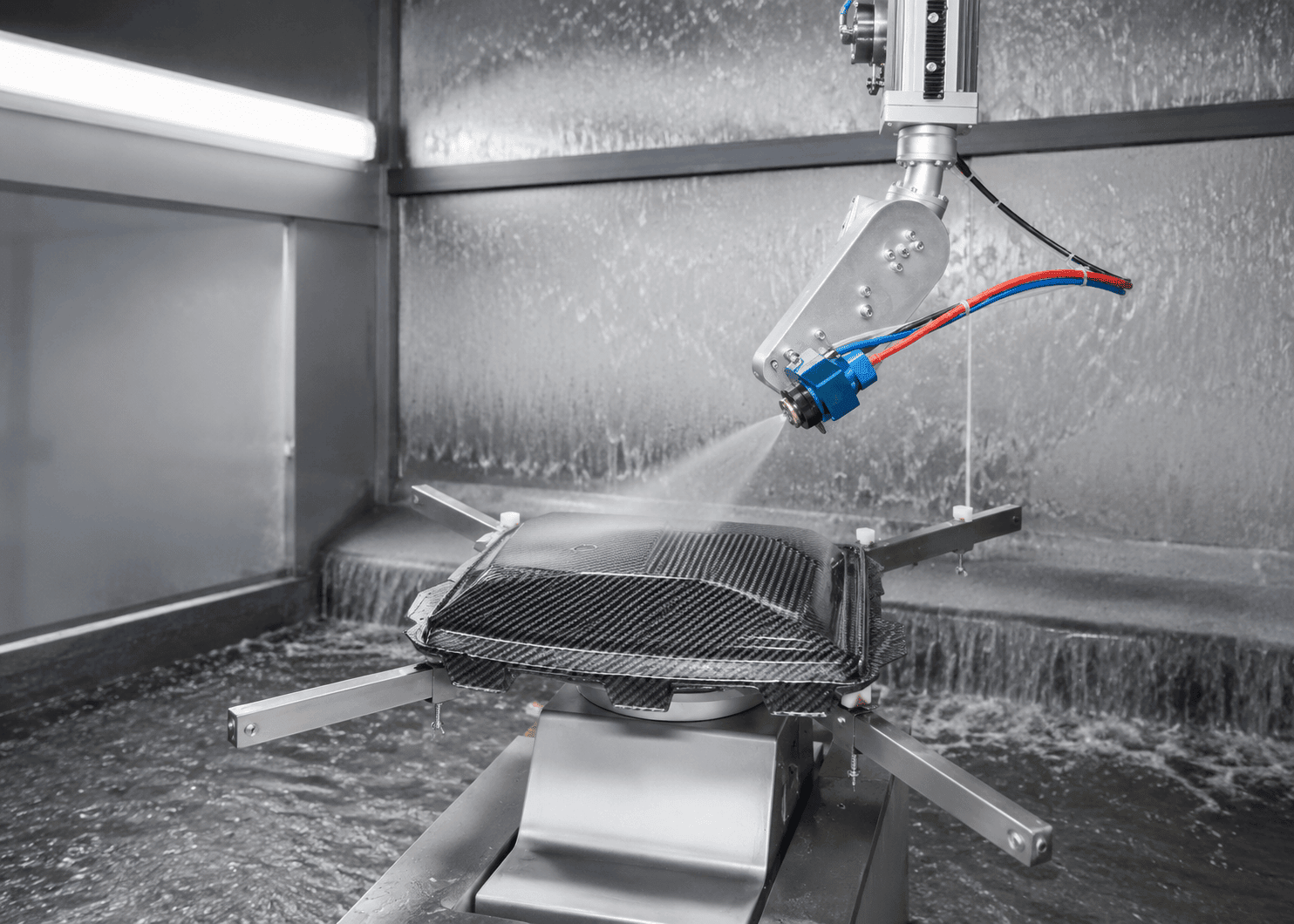
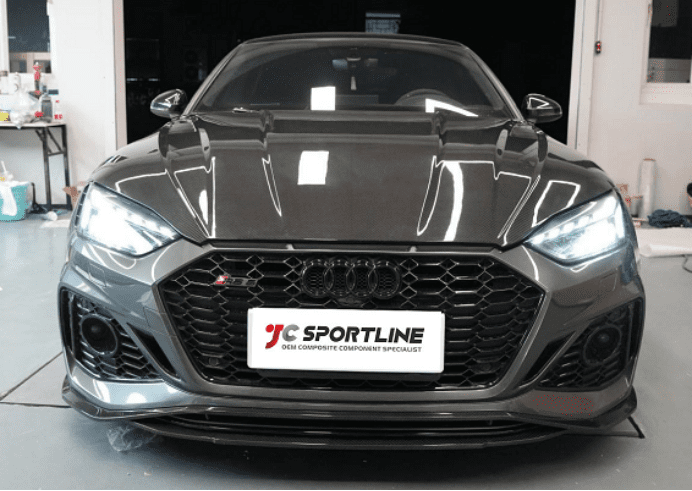
Regular carbon fiber usually refers to composite parts made with woven carbon fabric, unidirectional carbon fiber, or prepreg carbon fiber layers. These layers are placed into a mold, combined with resin, and cured through a process such as autoclave curing, oven curing, vacuum infusion, RTM, or wet layup, depending on the product level and production plan.
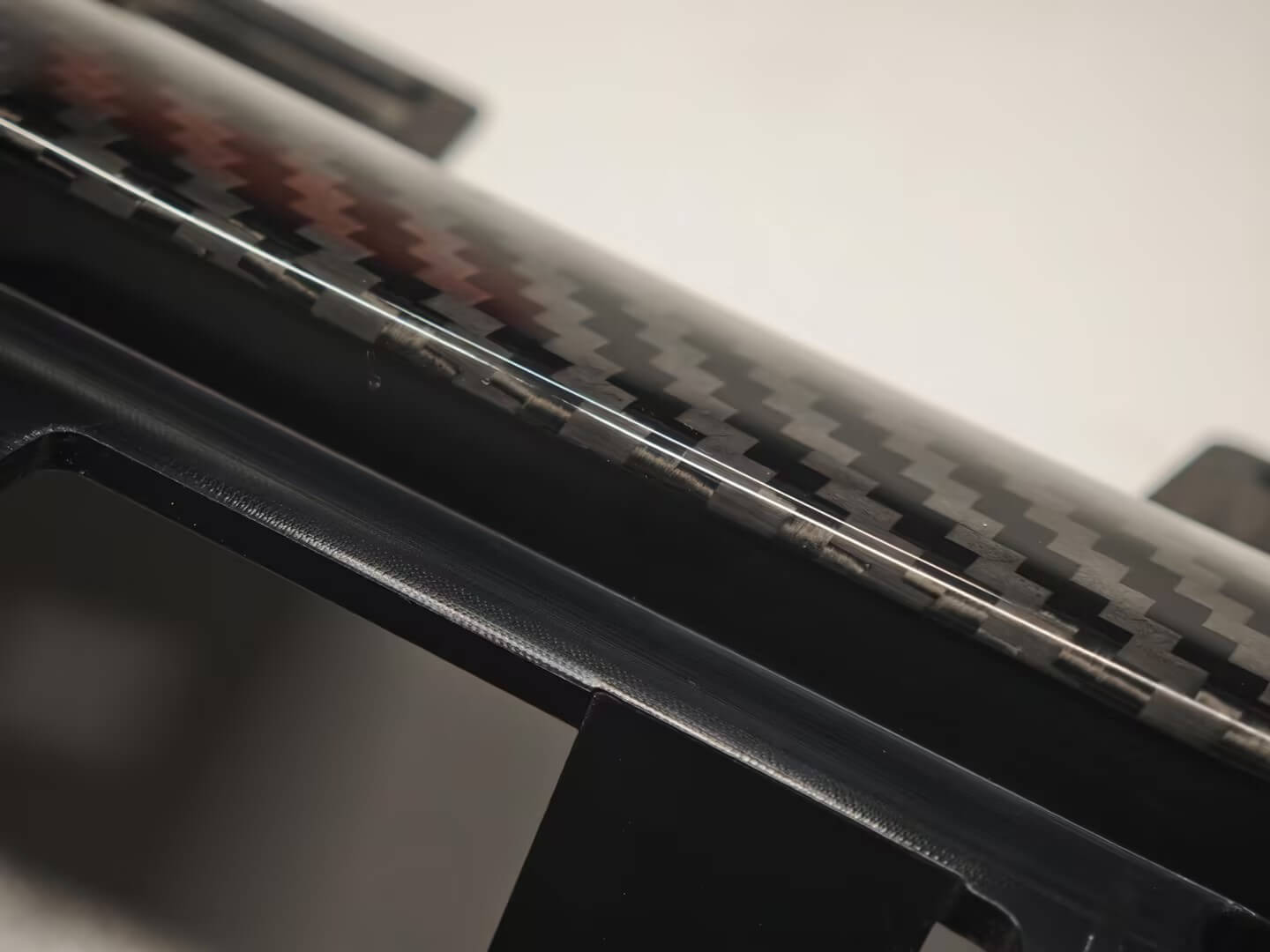
The key advantage of regular carbon fiber is controllable fiber orientation. Engineers can place fibers in specific directions to support the expected load path. This is why continuous-fiber carbon laminates are widely used in automotive exterior parts, aerospace-style structures, bicycle frames, sports equipment, racing components, and premium consumer products. When the layup is properly engineered, regular carbon fiber can provide excellent stiffness-to-weight performance.
Regular carbon fiber also has a strong market identity. A clean twill or plain-weave surface is instantly associated with motorsport, premium automotive styling, and high-end lightweight design. For products such as hoods, spoilers, splitters, diffusers, seat backs, mirror covers, luggage shells, and performance trim, the woven pattern itself often becomes part of the selling point.
Its limitations should also be understood. Regular carbon fiber does not behave like metal. Strength and stiffness depend heavily on fiber direction, laminate design, resin system, curing quality, thickness, and geometry. A part may perform very well along the designed load direction but be less resistant to damage from an unexpected impact or poor installation. Cutting woven fabric may also create offcuts, so production planning and nesting efficiency matter for cost control.
What Is Forged Carbon Fiber?
Forged carbon fiber is commonly made from chopped carbon fibers mixed with resin and compressed into a mold. Instead of using continuous woven sheets, the short fibers are distributed within the resin system, creating a random visual texture after molding and finishing. The result is the familiar marble-like surface often seen on luxury interiors, automotive trims, watch cases, lifestyle accessories, electronics housings, and selected performance parts.
This material route is attractive because it can support complex three-dimensional shapes. Chopped carbon fiber compounds can fill detailed mold areas more easily than continuous woven fabric in some designs. This can be helpful for parts with deep curves, tight corners, raised features, complex ribs, or small decorative surfaces.
Forged carbon fiber should not be described as universally stronger than regular carbon fiber. Its final performance depends on fiber length, fiber content, resin system, molding pressure, curing conditions, part thickness, tooling accuracy, and quality control. In some applications, chopped-fiber compression molding can provide useful multi-directional behavior and strong shape freedom. In other applications, continuous fiber laminate may be better because the fibers can be aligned exactly where the structure needs strength.

Appearance: Classic Woven Texture vs. Random Marble Pattern
Appearance is the most visible difference between these two materials. Regular carbon fiber has an ordered pattern. The surface may show a 3K twill weave, plain weave, satin weave, or a unidirectional style depending on the selected material. Customers who want a technical, racing-inspired, and traditional carbon look usually prefer this option.
Forged carbon fiber has a more irregular and artistic appearance. The pattern is random, with scattered fiber fragments creating depth and contrast under the clear coat. No two forged carbon surfaces look exactly the same, which makes it attractive for limited-edition products, luxury interior parts, show-car components, and brands seeking visual differentiation.
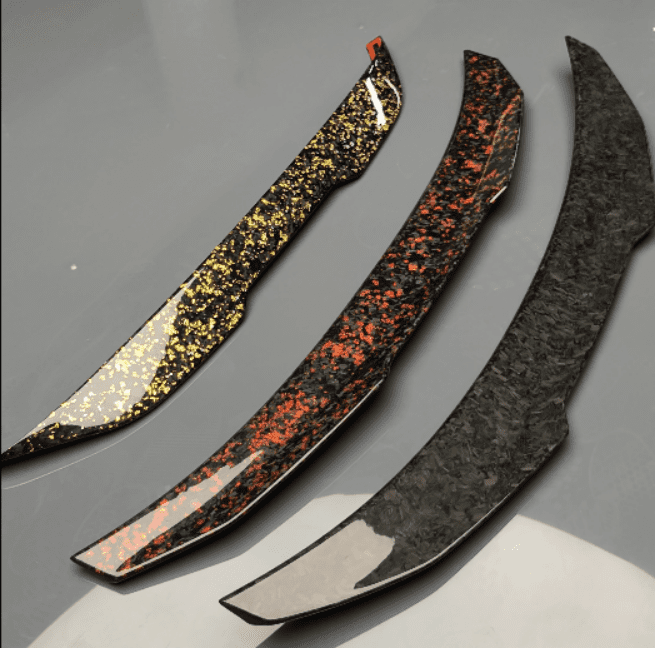
Color-infused forged carbon effects are also possible when pigments, metallic flakes, or tinted resin systems are used. Black with gold, silver, red, blue, or green accents can create a customized appearance. For exterior use, however, color stability depends on the resin, coating system, UV exposure, climate, and maintenance. A UV-protective clear coat or suitable surface coating should be discussed during project development rather than added as an afterthought.
Performance: The Better Choice Depends on Load Direction
Performance comparisons must be handled carefully. Regular carbon fiber is often the better choice when the structure requires controlled directional stiffness. Because the fibers are continuous, engineers can design the layup to support bending, tension, torsion, or local reinforcement in specific areas. This is important for parts such as automotive hoods, splitters, wings, panels, seat backs, and structural-looking components where load paths are known.
Forged carbon fiber may be useful when the design requires complex molding, localized thickness, decorative geometry, or a more distributed fiber arrangement. It can be suitable for interior trims, mirror covers, spoiler accents, vent trims, center console parts, small housings, luxury accessories, and certain automotive styling components.
Neither material should be selected by appearance alone. A forged carbon part with poor fiber content or weak molding control may underperform. A regular carbon part with a poor layup may also fail to meet expectations. Material choice, mold design, resin selection, process control, and inspection standards all influence the real result.
Cost and Production Efficiency
Forged carbon fiber is sometimes promoted as lower-cost because it can use chopped fibers and may reduce fabric cutting waste in certain production routes. That can be true for some parts, especially when the design is suitable for compression molding and the production volume justifies tooling investment. It is not a universal rule.
The cost of forged carbon depends on mold complexity, resin system, fiber formulation, molding equipment, finishing process, rejection rate, labor, and order quantity. A small custom forged carbon part with a premium clear coat may still be expensive. Regular carbon fiber also ranges widely in cost. A wet carbon decorative part, an oven-cured prepreg part, and an autoclave-cured dry carbon component are not in the same price category.
For B2B purchasing, unit price should be evaluated together with fitment, surface quality, production consistency, lead time, packaging, defect rate, and after-sales risk. A cheaper part that creates returns or customer complaints may cost more over the full sales cycle than a better-controlled production route.
Sustainability and Material Waste
Forged carbon fiber can support more efficient material use in certain applications because chopped fiber material or selected offcuts can sometimes be incorporated into a controlled molding compound. This may help reduce waste compared with cutting complex shapes from woven fabric. However, sustainability claims should be made carefully. Actual environmental impact depends on raw material source, resin chemistry, process energy, scrap handling, rejection rate, transport, product life, and end-of-life options.
Regular carbon fiber production can create offcuts, especially for complex shapes or visible weave parts that require precise alignment. Professional manufacturers can reduce waste through better nesting, process planning, material control, and project-specific production methods. Neither material is automatically “green” without a defined process and responsible waste management.
Repairability and Long-Term Durability
The idea that forged carbon fiber can always be repaired while regular carbon fiber must always be replaced is too simple. Repairability depends on the damage location, part function, fiber architecture, resin system, surface finish, structural requirement, and safety risk. Cosmetic damage may sometimes be repaired or refinished. Cracks in high-load or safety-related areas may require replacement regardless of whether the part is forged or woven.
Long-term durability is also influenced by UV exposure, heat, moisture, vibration, cleaning chemicals, installation method, and coating quality. For exterior automotive parts, a suitable clear coat and stable finishing process are important for both regular carbon fiber and forged carbon fiber. A premium material can still perform poorly if the coating, trimming, mounting, or packaging is not controlled.
For cross-industry product development, buyers can also review carbon fiber products and industry solutions.
Story: Real-World Example
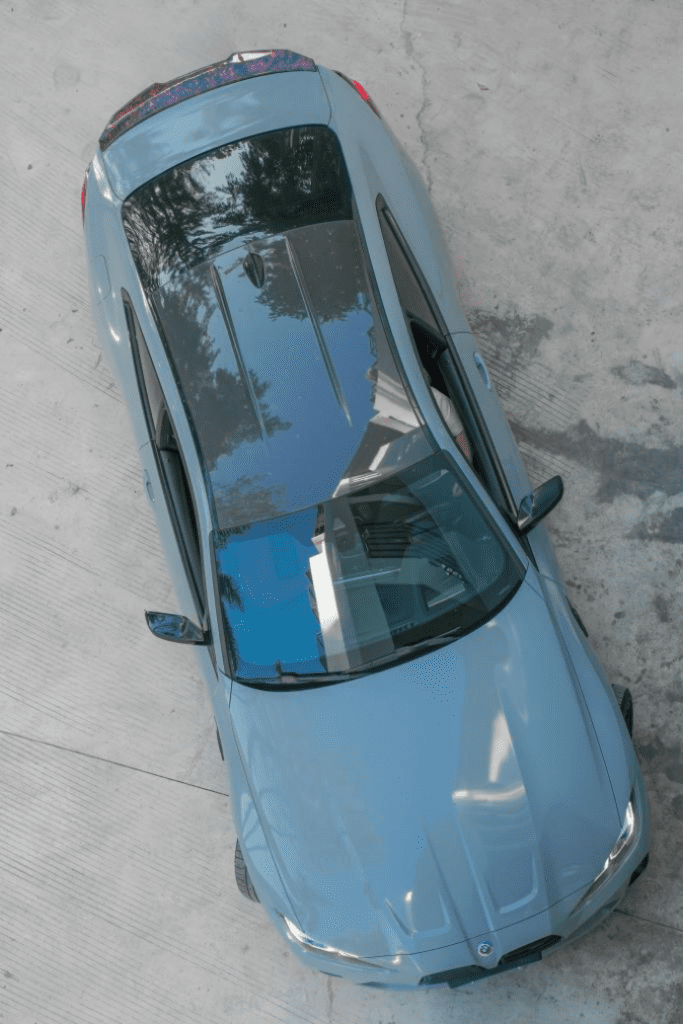
Imagine you own a BMW M4 and install a forged carbon fiber rear spoiler. On the track, it feels rock solid through high-speed corners. One day, a minor parking mishap bumps the spoiler. With regular carbon fiber, you’d be ordering a new one—but with forged carbon, a repair brings it back to shape.
Color Options for Forged Carbon Fiber
While most people picture forged carbon fiber in classic black, it’s also available in stunning color-infused options:
- Black with gold flake – perfect for luxury builds with a premium edge
- Black with silver flake – sleek and modern, works well with metallic paints
- Black with red, blue, or green accents – adds personality while keeping the carbon fiber look
- Full custom pigment blends – for brands or show cars that want to stand out entirely
These colors are created by mixing metallic or pigmented flakes into the resin before compression, so the finish is permanent—not a surface paint. For custom material and process planning, the custom carbon fiber parts solutions is a useful starting point.
Original Comparison Table for B2B Material Selection
| Selection Factor | Regular Carbon Fiber | Forged Carbon Fiber |
| Fiber format | Woven fabric, unidirectional layers, or prepreg sheets | Chopped carbon fibers mixed with resin and compression molded |
| Visual identity | Classic woven or directional carbon look | Random marbled texture with a luxury custom appearance |
| Design strength | Best when fiber orientation is engineered for known loads | Useful for complex shapes and more distributed fiber layout |
| Typical applications | Hoods, wings, splitters, diffusers, panels, seat backs, sports equipment | Interior trims, mirror covers, spoiler accents, housings, watch cases, luxury details |
| Production consideration | Requires careful layup, weave alignment, trimming, and curing control | Requires controlled formulation, mold pressure, curing, and finishing consistency |
| Best fit for brands | Motorsport, performance, lightweight engineering, classic carbon identity | Luxury differentiation, limited editions, complex molded shapes, unique styling |
Choosing the Right Carbon Fiber Route for Automotive Projects
For automotive products, regular carbon fiber is often selected for exterior body kits, hoods, diffusers, splitters, wings, racing rear spoilers, seat backs, and other parts where the classic carbon look and controlled layup design matter. Forged carbon fiber is often attractive for accent pieces, interior components, mirror caps, decorative trims, limited-edition styling packages, and parts where a marble-like texture creates a stronger brand identity.
JCSPORTLINE supports both automotive carbon fiber part development and broader custom composite manufacturing. Its automotive bodykits manufacturing covers interior and exterior automotive carbon fiber parts, including body kits, trims, racing rear wings, steering wheels, seat backs, and other aerodynamic components.
For procurement managers and product teams, the right supplier should help evaluate part geometry, surface expectations, tooling route, material choice, volume plan, inspection points, and packaging before production. This is especially important when the product will be sold under a brand name and repeated batch consistency matters.
Final Recommendation
The practical answer to Forged Carbon Fiber vs. Regular Carbon Fiber is that neither material is automatically better. Regular carbon fiber is usually the stronger choice when the project needs classic woven appearance, directional stiffness, and engineered load paths. Forged carbon fiber is a strong candidate when the project needs complex molding, distinctive aesthetics, luxury positioning, or a more customized visual identity.
For B2B buyers, the best decision starts with the part’s real function. Is it decorative, aerodynamic, structural-looking, luxury-focused, or production-volume driven? Will it be used outdoors? Does the customer expect classic motorsport weave or a more exclusive forged carbon surface? What inspection standard and batch consistency does the brand need?
Answering these questions early helps avoid wrong material selection and unnecessary cost. With the right design brief, process control, and manufacturing partner, both regular carbon fiber and forged carbon fiber can become valuable choices for premium automotive, sports, lifestyle, and industrial products.
📩 Contact us today to discuss your project and see how forged carbon fiber can transform your product line or vehicle.